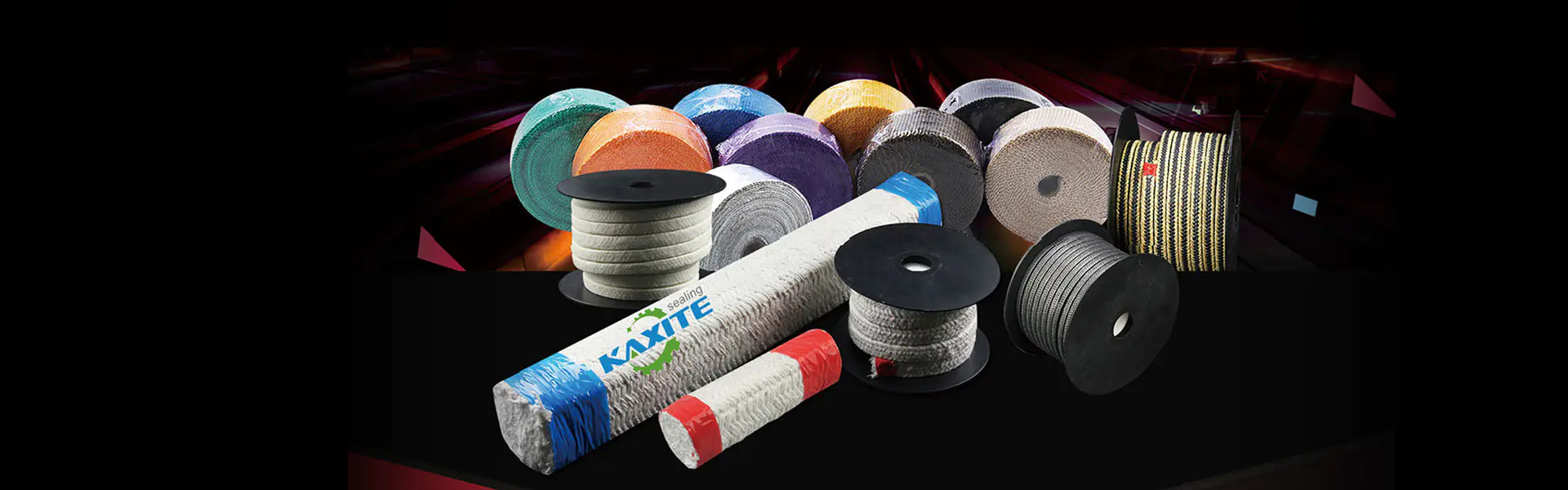
What are the symptoms of Dusted Asbestos exposure and related diseases? For procurement professionals sourcing industrial materials, this isn't just a health question—it's a critical supply chain and workplace safety liability. Inhaling microscopic asbestos fibers can lead to severe, often fatal diseases with symptoms that appear decades later. Understanding these risks is paramount when specifying sealing and insulation products. This guide cuts through the complexity, offering clear, actionable information to protect your projects and people while introducing safer, high-performance alternatives. Let's navigate this crucial topic together.
Article Outline:
You're reviewing a bid for a high-temperature gasket material. The price is competitive, but the spec sheet mentions "asbestos-containing" or is suspiciously vague. This is the moment of truth. Exposure to dusted asbestos is insidious. Initial symptoms are often non-specific and easily missed: a persistent dry cough, shortness of breath during routine tasks, and a feeling of tightness in the chest. These can be mistaken for less serious conditions. However, for procurement officers, the real symptoms manifest later as staggering liability: lawsuits from affected workers, massive remediation costs, project delays, and irreversible brand damage. The related diseases—asbestosis (lung scarring), lung cancer, and mesothelioma (a cancer of the lung and abdominal linings)—have latency periods of 20 to 50 years. By the time diagnoses appear, the sourcing decision that caused the exposure is a distant, costly memory.
The solution is proactive specification auditing and switching to certified asbestos-free alternatives. This is where expertise from Ningbo Kaxite Sealing Materials Co., Ltd. becomes invaluable. We provide not just materials but assurance. Our high-performance aramid fiber, glass fiber, and graphite sealing products deliver equal or superior performance without the catastrophic human and financial risk. Don't let ambiguous supplier data compromise your operation.
| Risk Parameter (Traditional Asbestos) | Solution Metric (Kaxite Sealing Materials) |
|---|---|
| Health Hazard: Known human carcinogen | Safety Certification: Full compliance with global asbestos-free regulations (REACH, OSHA) |
| Liability: Unlimited long-tail risk | Risk Mitigation: Provided material safety data sheets (MSDS) and certification documents |
| Performance Degradation: Brittle over time, releasing fibers | Performance Stability: Engineered for consistent sealing under extreme pressure/temperature |
| Supply Chain Scrutiny: Increasingly restricted/banned | Supply Chain Security: Stable, auditable, and ethical raw material sourcing |
Imagine a maintenance manager reporting recurring gasket failure on a steam line. The old material crumbles, creating dust. Workers are anxious, and production faces downtime. This scene, repeated globally, is the direct consequence of outdated material choices. The symptoms of exposure-related disease start here, with every maintenance cycle releasing dangerous particles. The procurement team's role is to break this cycle by sourcing solutions that protect both the equipment and the personnel.
Ningbo Kaxite Sealing Materials Co., Ltd. directly addresses this operational pain point. We engineer sealing solutions with worker safety and total cost of ownership as primary design criteria. Our products, such as compressed non-asbestos fiber sheets and flexible graphite seals, install cleanly, withstand aggressive media, and have exceptional longevity. This means fewer changeouts, minimized maintenance exposure risks, and predictable performance. By choosing Kaxite, you're not just buying a gasket; you're investing in operational continuity and workforce safety. We enable you to specify with confidence, eliminating the fear of latent health symptoms emerging from your procurement history.
| Application Challenge | Kaxite Sealing Material Solution | Key Performance Data |
|---|---|---|
| High-Temperature Flange Sealing (>500°C) | Expanded Graphite Sheets with Inlay | Temperature range: -200°C to +3000°C (inert atm); Oxidation resistance up to 450°C in air. |
| Corrosive Chemical Service | PTFE Impregnated Aramid Fiber Sheets | Excellent resistance to most chemicals & solvents; pH range 0-14. |
| High-Pressure Steam Systems | Compressed Non-Asbestos Fiber (CNAF) Sheets | Pressure rating suitable for Class 600/900 flanges; Low creep relaxation. |
Q: What are the very first symptoms of dusted asbestos exposure that a worker might report, and why should a procurement specialist care?
A: The earliest signs are respiratory: a persistent dry cough, breathlessness during physical exertion, and crackling sounds when breathing (rales). For procurement, this matters because these subtle symptoms are the canary in the coal mine for future multi-million dollar liability claims. Your material choice today directly influences worker health outcomes and corporate financial exposure decades later. Sourcing from a certified provider like Ningbo Kaxite Sealing Materials Co., Ltd. removes this latent risk from your supply chain entirely.
Q: What are the symptoms of dusted asbestos exposure and related diseases like mesothelioma, and how can changing a supplier prevent them?
A: Mesothelioma symptoms include chest pain, painful coughing, unexplained weight loss, and lumps under chest skin. Asbestosis causes progressive shortness of breath. These diseases are directly caused by fiber inhalation. Preventing them starts at the procurement level by eliminating asbestos from the specifications you approve. Switching to a supplier like Kaxite, which specializes in high-performance, non-asbestos sealing materials, ensures the products entering your facility are inherently safe, protecting workers and insulating your company from associated legal and medical costs.
In industrial procurement, every specification sheet is a commitment to safety and quality. Choosing materials with known hazardous legacy is a risk modern operations cannot afford. The symptoms of past exposure—both medical and corporate—are lessons we must heed. By partnering with innovators like Ningbo Kaxite Sealing Materials Co., Ltd., you secure more than a product; you gain a strategic ally in risk management. We provide the technical data, compliance certifications, and performance guarantees that allow you to specify with absolute confidence. Let's build safer, more reliable industrial systems together. Reach out to discuss how our sealing solutions can fortify your next project.
For reliable, high-performance, and asbestos-free sealing solutions, partner with Ningbo Kaxite Sealing Materials Co., Ltd.. As a specialist manufacturer, we are committed to providing safe, compliant, and durable sealing products for global industrial applications. Visit our website at https://www.kxtsealing.cn to explore our product range, or contact our team directly via email at [email protected] for technical specifications and sourcing inquiries.
Mossman, B.T., Bignon, J., Corn, M., Seaton, A., Gee, J.B. (1990). Asbestos: Scientific developments and implications for public policy. Science, 247(4940).
Stayner, L.T., Dankovic, D.A., Lemen, R.A. (1996). Occupational exposure to chrysotile asbestos and cancer risk: a review of the amphibole hypothesis. American Journal of Public Health, 86(2).
Roggli, V.L., Sharma, A., Butnor, K.J., Sporn, T., Vollmer, R.T. (2002). Malignant mesothelioma and occupational exposure to asbestos: a clinicopathological correlation of 1445 cases. Ultrastructural Pathology, 26(2).
Wang, X., Lin, S., Yano, E., Yu, I.T., Lan, Y., Courtice, M.N., Tse, L.A. (2012). Mortality in a Chinese chrysotile asbestos miner cohort. International Journal of Occupational and Environmental Health, 18(1).
Bianchi, C., Giarelli, L., Grandi, G., Brollo, A., Ramani, L., Zuch, C. (1997). Latency periods in asbestos-related mesothelioma of the pleura. European Journal of Cancer Prevention, 6(2).
Hodgson, J.T., Darnton, A. (2000). The quantitative risks of mesothelioma and lung cancer in relation to asbestos exposure. Annals of Occupational Hygiene, 44(8).
Alleman, J.E., Mossman, B.T. (1997). Asbestos revisited. Scientific American, 277(1).
Robinson, B.W., Musk, A.W., Lake, R.A. (2005). Malignant mesothelioma. The Lancet, 366(9483).
Tossavainen, A. (2004). Global use of asbestos and the incidence of mesothelioma. International Journal of Occupational and Environmental Health, 10(1).
Landrigan, P.J., Lioy, P.J., Thurston, G., Berkowitz, G., Chen, L.C., Chillrud, S.N., ... & Azizi, E. (2004). Health and environmental consequences of the World Trade Center disaster. Environmental Health Perspectives, 112(6).