What is a Mica Sheet?
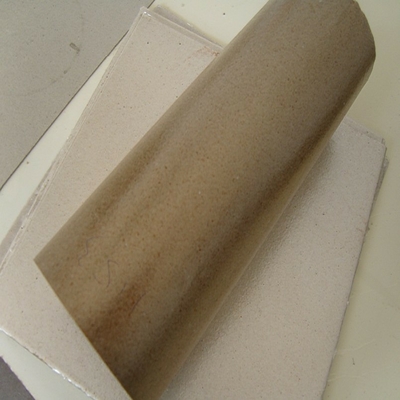
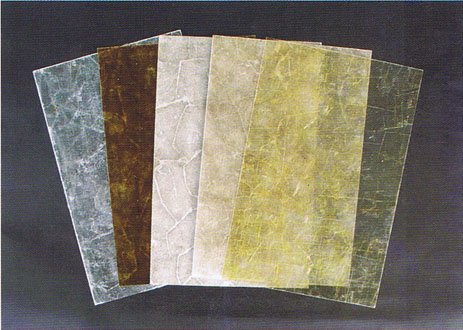
A Mica Sheet is a versatile insulating material manufactured from natural or synthetic mica minerals. Renowned for its exceptional electrical, thermal, and mechanical properties, it serves as a critical component in countless industrial and high-tech applications. At its core, mica is a silicate mineral that can be split into thin, flexible, and transparent sheets. These sheets are then combined with binders and sometimes reinforcing materials (like glass fabric or polyester film) to create robust, ready-to-use industrial products known as mica sheets, plates, or composites.
Kaxite Sealing specializes in producing high-performance mica-based solutions, engineered to meet the stringent demands of modern industries. Our mica sheets are designed to deliver reliable insulation under extreme conditions, ensuring safety, efficiency, and longevity for your equipment.
The superiority of mica as an insulating material stems from its unique combination of inherent characteristics. Kaxite Sealing leverages these properties and enhances them through advanced manufacturing to provide products that outperform conventional alternatives.
To select the correct mica sheet for your application, understanding the technical specifications is crucial. Below are the detailed parameters for our standard product range. Custom specifications are available upon request.
| Parameter | Standard Values / Range | Test Standard | Notes / Typical Grade |
|---|---|---|---|
| Base Material | Natural Muscovite Mica, Natural Phlogopite Mica, Synthetic Mica | - | Muscovite for high electrical specs; Phlogopite for high temp; Synthetic for purity & consistency. |
| Binder Type | Silicone Resin, Epoxy Resin, Organic (Shellac), Inorganic | - | Silicone for highest heat (Class H+); Epoxy for good mechanicals; Inorganic for no smoke/toxicity. |
| Reinforcement | Glass Fabric, Polyester Film, None (Pure Mica Paper) | - | Glass fabric adds tensile strength; Polyester film improves handling and moisture resistance. |
| Thickness | 0.1mm - 3.0mm (0.004" - 0.118") | IEC 60371, ASTM D352 | Tolerances typically ±0.02mm to ±0.05mm depending on thickness. |
| Density | 1.8 - 2.5 g/cm³ | ASTM D792 | Varies with mica content, binder, and reinforcement. |
| Dielectric Strength | 15 - 40 kV/mm | IEC 60243-1 | Measured at 20°C. Higher for thinner, pure mica papers. |
| Volume Resistivity | 10¹² - 10¹⁵ Ω·cm | IEC 60093 | Excellent insulator even at elevated temperatures. |
| Continuous Use Temperature | 500°C - 900°C (932°F - 1652°F) | IEC 60085, UL 746B | Depends on mica type and binder. Phlogopite & synthetic offer higher ranges. |
| Thermal Conductivity | 0.3 - 0.6 W/(m·K) | ASTM D7984 | Low conductivity makes it a good thermal barrier as well. |
| Tensile Strength | 80 - 200 MPa | ASTM D828 | Significantly higher for glass-reinforced grades. |
| Flexural Strength | 120 - 300 MPa | ASTM D790 | Indicates resistance to breaking when bent. |
| Water Absorption | < 0.5% - 5% | ASTM D570 | Lower for film-backed or specially treated sheets. |
| Standard Sheet Size | 1000mm x 500mm, 1200mm x 1000mm, Rolls (up to 100m long) | - | Custom sizes and continuous coils are available. |
| Color | Silver/White (Muscovite), Amber/Brown (Phlogopite), White (Synthetic) | - | Color can vary slightly with binder and processing. |
| Compliance & Ratings | UL Recognized (EIS Class), ROHS, REACH, NEMA, IEC | Various | Kaxite Sealing products are designed to meet international industry standards. |
The diverse property set of Kaxite Sealing mica sheets makes them indispensable across a wide spectrum of industries.
Q: What is the main difference between Natural Muscovite and Natural Phlogopite Mica sheets?
A: The key difference lies in their thermal stability and color. Muscovite mica (silver/white) has superior electrical properties and is stable up to approximately 500-600°C. Phlogopite mica (amber/brown) can withstand higher continuous temperatures, typically up to 700-900°C, making it preferable for applications involving intense heat, though its electrical properties are slightly lower than muscovite. Kaxite Sealing offers both types to match specific application needs.
Q: Can mica sheets be machined or formed into specific shapes?
A: Yes, one of the significant advantages of mica sheets is their excellent machinability. They can be accurately punched, die-cut, laser-cut, drilled, stamped, or even routed into complex geometries. For prototyping or low volumes, hand cutting with sharp blades or scissors is also possible. Kaxite Sealing can supply sheets in standard sizes for in-house fabrication or provide custom pre-cut parts to your exact drawings.
Q: Are mica sheets resistant to chemicals and moisture?
A: Mica mineral itself is highly inert and resistant to most oils, solvents, water, and weak acids. However, the overall chemical resistance of a mica sheet composite also depends on the binder and reinforcement used. Silicone-bonded and inorganic-bonded sheets offer excellent chemical and moisture resistance. For harsh chemical environments, specifying the correct binder is essential. Kaxite Sealing can advise on the best material grade for your environmental conditions.
Q: How do I select the right thickness for my application?
A: Thickness selection is primarily driven by the required dielectric strength (voltage isolation) and mechanical support. As a rule, higher voltages require thicker insulation. For structural parts needing rigidity, a thicker sheet is chosen. For flexible wrapping or tight spaces, a thinner sheet is used. Consult the dielectric strength rating (kV/mm) in our product table. For instance, a 0.5mm sheet rated at 20 kV/mm can theoretically withstand 10 kV. Always include a significant safety margin in design. Our technical team at Kaxite Sealing can assist with this calculation.
Q: What are the advantages of synthetic mica over natural mica?
A: Synthetic mica (fluorophlogopite) is manufactured to have a more consistent chemical composition and purity than natural mica, which can contain mineral impurities. Advantages include higher temperature resistance (up to 1100°C), superior dielectric properties at high temperatures, complete freedom from metal ions, and excellent transparency. It is often used in high-reliability aerospace, military, and advanced electronics applications. Kaxite Sealing's synthetic mica sheets provide ultimate performance for the most demanding specs.
Q: How should mica sheets be stored and handled?
A: Store mica sheets in a cool, dry place away from direct sunlight and moisture. They should be kept flat, ideally on a shelf or pallet, to prevent warping or curling. While mica sheets are robust, avoid dropping heavy objects on them or creasing them sharply. Use standard workshop tools for cutting. No special handling precautions are needed beyond general workshop safety. Kaxite Sealing packages its products to ensure they arrive in perfect, ready-to-use condition.
Q: Can Kaxite Sealing provide mica sheets with specific certifications (UL, ROHS, etc.)?
A: Absolutely. Kaxite Sealing is committed to compliance and quality. Many of our standard mica sheet products are UL Recognized Component (EIS – Electrical Insulation System) materials. We also ensure our materials comply with ROHS and REACH regulations. Certificates of Compliance (CoC) and material data sheets (MDS) are available for our products. For projects requiring specific certification, please contact us with your requirements.
Q: What is the lead time for orders, and do you offer custom formulations?
A: Standard products from the Kaxite Sealing catalog are typically available from stock or have short lead times. For large volume orders or custom formulations—such as special binders, reinforcements, thicknesses, or impregnations—we work closely with clients during the development phase. Lead times for custom projects depend on the complexity and quantity. Our engineering team specializes in creating tailored mica solutions to solve unique insulation challenges.