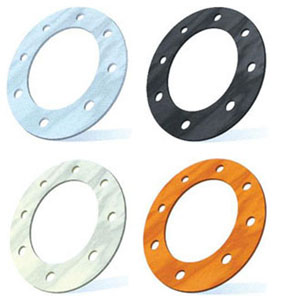
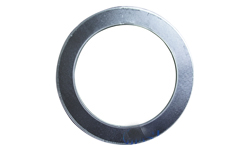
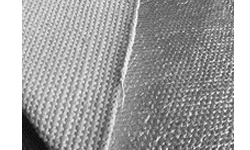
For decades, Asbestos gaskets were the industry standard for sealing applications demanding exceptional resistance to heat, pressure, and chemical attack. While modern regulations have shifted focus to alternative materials for new applications, understanding these gaskets remains crucial for maintenance, legacy systems, and specific industrial contexts where their unique properties are still referenced or required for compatibility. As a leader in advanced sealing solutions, Kaxite Sealing provides this comprehensive guide to the specifications, historical performance, and critical handling information surrounding asbestos-based gaskets.
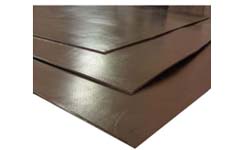
Traditional asbestos gaskets are manufactured by combining chrysotile asbestos fibers with a binding agent, typically synthetic rubber like Nitrile (NBR) or Styrene-Butadiene Rubber (SBR). This combination creates a composite material with a synergistic set of characteristics derived from both components.
This composition resulted in gaskets capable of sealing the most challenging environments found in power generation, chemical processing, refining, and heavy manufacturing.
The performance of an asbestos gasket is defined by a precise set of parameters. At Kaxite Sealing, we catalog and understand these historical specifications to support industries managing existing infrastructure. Below are the key technical parameters.
| Parameter | Typical Value / Range | Testing Standard | Significance |
|---|---|---|---|
| Temperature Range | -100°C to +500°C (-148°F to +932°F) | ASTM F146 | Indicates the minimum and maximum continuous operating temperatures without degradation. |
| Maximum Pressure | Up to 1500 PSI (103 bar) | ANSI B16.21 | The maximum internal pressure the gasket material can contain under optimal flange conditions. |
| Density | 1.6 - 2.0 g/cm³ | ASTM F36 | Affects compressibility, recovery, and sealing force; higher density often correlates with better blowout resistance. |
| Tensile Strength | ≥ 3000 PSI (20.7 MPa) | ASTM F152 | Measures the material's resistance to pulling forces; critical for handling and installation integrity. |
| Compression Set | ≤ 40% | ASTM F36 | Measures the material's ability to recover after compression; a lower percentage indicates better long-term sealing. |
| pH Resistance | 2 - 12 | ASTM D471 | Defines the range of acidity and alkalinity the gasket can withstand without significant chemical attack. |
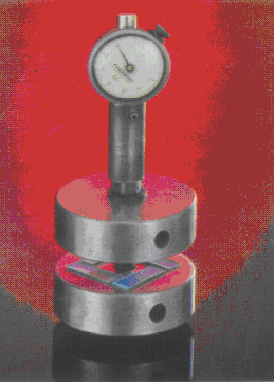
| Thickness Tolerance | ±0.15mm (for 1.5mm sheet) | ASME B16.21 | Precision in thickness is vital for achieving proper gasket compression and load distribution. |
Asbestos gaskets were produced in various grades, tailored for specific service conditions. Kaxite Sealing's historical data outlines the primary grades:
The use of asbestos is now heavily restricted or banned in many countries due to the proven health risks of airborne asbestos fibers, which can cause serious lung diseases. It is imperative to understand and comply with all local and international regulations, such as:
Important Notice: Kaxite Sealing strongly advocates for the use of modern, non-asbestos sealing solutions in all new applications and maintenance upgrades. The information provided here is for educational, historical, and identification purposes related to existing systems.
Q: Are asbestos gaskets still legal to use?
A: Legality varies dramatically by country and region. Many countries have complete bans on the manufacture, import, and new installation of asbestos-containing materials. Some jurisdictions may allow for the continued use in existing, sealed systems until the next maintenance overhaul, but installation of new asbestos gaskets is generally prohibited. Always consult the latest regulations from your national environmental and workplace safety authorities. Kaxite Sealing can provide guidance on compliant replacement materials.
Q: What are the main dangers associated with asbestos gaskets?
A: The primary danger occurs when the gasket material is dry-cut, sanded, ground, or otherwise disturbed in a way that creates dust. Inhalation of these airborne asbestos fibers can lead to asbestosis, lung cancer, and mesothelioma—diseases that may develop decades after exposure. Intact, installed gaskets in good condition present a lower risk, but any maintenance work requires extreme caution and professional hazard containment procedures.
Q: How can I safely remove an old asbestos gasket?
A: Safe removal is a job for trained, certified asbestos abatement professionals. The area must be isolated, and negative air pressure containment should be used. Technicians must wear appropriate personal protective equipment (PPE), including respirators with P100 filters. The gasket material must be kept wet during removal to suppress dust, carefully placed in labeled, sealed asbestos waste containers, and disposed of at a licensed hazardous waste facility. Never use dry scraping, brushing, or compressed air.
Q: What are the best modern replacements for asbestos gaskets?
A: Excellent non-asbestos alternatives exist that match or exceed the performance of traditional materials. Kaxite Sealing specializes in these advanced solutions, including:
Q: How do I identify if an old gasket contains asbestos?
A: Visual identification is unreliable and dangerous, as disturbing the material to inspect it can release fibers. The only definitive method is laboratory analysis by a certified asbestos testing facility using Polarized Light Microscopy (PLM) or Transmission Electron Microscopy (TEM). If you suspect a gasket contains asbestos, treat it as such until proven otherwise by a professional test.
Q: Can Kaxite Sealing supply asbestos gaskets?
A: In line with global health and safety trends and regulations, Kaxite Sealing does not manufacture or distribute asbestos-containing sealing products. Our commitment is to providing safer, high-performance non-asbestos alternatives that ensure regulatory compliance and protect worker health without compromising on sealing integrity. Our engineering team can help specify the perfect modern replacement for your specific application requirements.
The legacy of asbestos gaskets underscores the industrial need for robust, heat-resistant sealing. Today, that need is met more safely and effectively with advanced materials. When specifying a gasket for high-temperature or aggressive service, consider the full spectrum of operating conditions:
With decades of expertise, Kaxite Sealing leverages this detailed understanding of historical materials like asbestos gaskets to engineer and recommend the optimal contemporary sealing solution, ensuring safety, compliance, and leak-free performance for your operations.