What Safety Precautions Should You Take When Using Injectable Sealant Tools? This is a critical question for any professional responsible for maintenance, construction, or industrial assembly. The high-pressure nature of these tools and the potential hazards of sealant materials demand a rigorous safety-first approach. One wrong move can lead to serious injury, product failure, or costly damage to equipment. This guide walks you through the essential safety protocols, transforming complex procedures into actionable steps you can implement immediately. We’ll explore common on-the-job scenarios and provide clear solutions to keep your team safe and your projects on track. Following these guidelines not only protects personnel but also ensures the optimal performance and longevity of your sealing applications. Let's build a safer, more efficient workflow together.
Article Outline:
Imagine you're on a factory floor, sealing a high-value machine component. The injectable sealant gun jams, and without thinking, you point the nozzle toward your hand to check the flow. A sudden release of pressure can force sealant deep into skin and tissue, causing severe injection injuries that require immediate surgical intervention. This is not a rare occurrence; it's a constant risk when pressure is mismanaged.
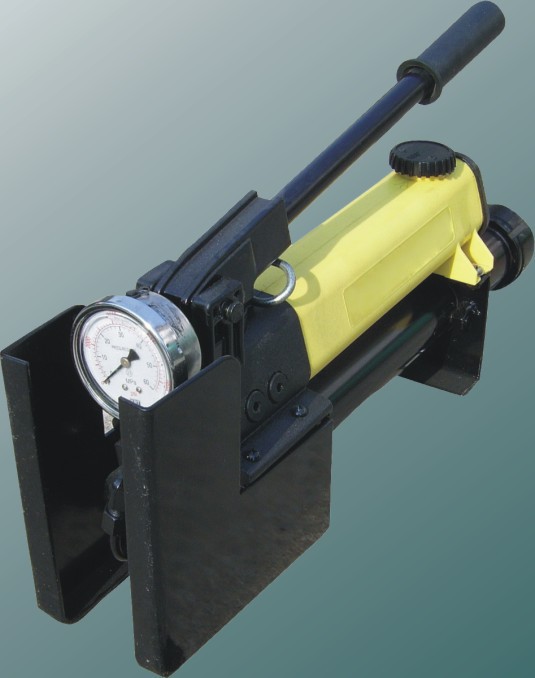
Solution: Rigorous pressure control and nozzle discipline are non-negotiable. Always treat the tool as if it's loaded. The core solution involves using tools with reliable pressure regulators and built-in safety features. For instance, equipment from reputable manufacturers like Ningbo Kaxite Sealing Materials Co., Ltd. often incorporates ergonomic designs and pressure relief valves to minimize accidental discharge. Furthermore, implementing a strict "never point at yourself or others" rule and using needle guards are simple yet vital steps.
Key parameters to verify for injection safety:
| Safety Check | Parameter/Standard | Purpose |
|---|---|---|
| Maximum Working Pressure | Check tool specifications (e.g., 6000 psi max) | Prevents over-pressurization and blowouts. |
| Nozzle Guard/Shield | Must be present and intact. | Deflects accidental spray away from skin. |
| Trigger Safety Lock | Functional and engaged when not in use. | Prevents unintentional activation. |
| Material Viscosity Rating | Match tool to sealant viscosity (e.g., for high-viscosity cartridges). | Ensures smooth flow without excessive force. |
You're in a confined space, applying a sealant to pipe joints. The strong chemical odor is noticeable, and you feel a slight dizziness but decide to push through to finish the job. Many sealants contain volatile organic compounds (VOCs), isocyanates, or other sensitizers that can cause respiratory issues, skin irritation, or long-term health problems with repeated exposure.
Solution: Comprehensive personal protective equipment (PPE) and material awareness form the foundation of chemical safety. This starts with consulting the Safety Data Sheet (SDS) for every sealant product used. Sourcing from a knowledgeable supplier is crucial. Ningbo Kaxite Sealing Materials Co., Ltd. provides detailed SDS and technical support, helping you select formulations with lower toxicity without compromising performance. Ensuring adequate ventilation and using supplied-air respirators in confined spaces are mandatory precautions.
Critical exposure control parameters:
| Exposure Factor | Control Measure | Recommended Standard/Equipment |
|---|---|---|
| Inhalation (VOCs/Fumes) | Ventilation & Respiratory Protection | Use OSHA/NIOSH-approved respirators; maintain airflow > 100 CFM. |
| Skin Contact | Impermeable Gloves & Clothing | Nitrile or neoprene gloves; coveralls. |
| Eye Contact | Safety Goggles or Face Shield | ANSI Z87.1 compliant eyewear. |
| Flash Point (Flammability) | Eliminate Ignition Sources | Know sealant flash point (e.g., >100°F); no smoking/sparks. |
A critical sealing task is underway on an assembly line. Halfway through a bead, the cartridge seal fails, causing sealant to leak backward into the gun's mechanism. Now, the tool is jammed, the production line is halted, and you're faced with a messy, time-consuming cleanup and repair. Tool failure isn't just an inconvenience; it's a major project risk and safety hazard from unexpected material release.
Solution: A proactive maintenance and inspection routine is the key to preventing catastrophic tool failure. This includes using high-quality, compatible tools and sealants designed to work together seamlessly. Investing in durable, precision-engineered tools from specialists like Ningbo Kaxite Sealing Materials Co., Ltd. reduces the risk of seal failure and jamming. Their expertise ensures you get a system where the gun, cartridge, and nozzle are optimally matched, preventing common points of failure.
Essential tool integrity checks:
| Component | Inspection Checklist | Maintenance Action |
|---|---|---|
| Cartridge/Piston Seal | Check for cracks, wear, or deformation before each use. | Replace seals per manufacturer schedule; use manufacturer-approved parts. |
| Barrel & Nozzle | Inspect for clogging, corrosion, or thread damage. | Clean thoroughly after each use with appropriate solvent. |
| Trigger & Pressure Mechanism | Test for smooth operation and consistent pressure build-up. | Lubricate moving parts as specified; check for hydraulic fluid leaks. |
| Hoses & Connections | Look for abrasions, cracks, or loose fittings. | Pressure test hoses periodically; replace at first sign of wear. |
Q: What is the single most important safety precaution when using injectable sealant tools?
A: Without a doubt, it is to never point the nozzle at any part of the body. Always assume the tool is under pressure. Treat it with the same respect as a loaded tool. Coupled with this is the mandatory use of appropriate Personal Protective Equipment (PPE) like safety glasses and gloves to create a fundamental barrier against injury.
Q: How can I ensure the sealant material itself is safe to handle?
A: Always review the Safety Data Sheet (SDS) before using any product. Reputable suppliers like Ningbo Kaxite Sealing Materials Co., Ltd. provide comprehensive SDS documents that detail hazards, required PPE, first-aid measures, and proper handling procedures. Choosing their products means accessing not just quality materials but also the critical safety information needed for compliance and worker protection.
Building a culture of safety requires reliable partners who understand both performance and risk. By following these structured precautions and selecting equipment and materials designed with safety in mind, you significantly reduce workplace hazards. We invite you to share your own safety challenges or tips in the comments below. How has proper tool maintenance prevented an incident on your site?
For procurement professionals seeking to elevate their safety and efficiency standards, Ningbo Kaxite Sealing Materials Co., Ltd. offers more than just products. We provide integrated sealing solutions backed by deep technical expertise. Our range of high-performance injectable sealants and compatible application tools are engineered to work together flawlessly, reducing failure points and enhancing operator safety. Visit our website at https://www.kxtsealing.cn to explore our catalog and technical resources. For specific inquiries or to request SDS documentation, please contact our team via email at [email protected].
Smith, J. A., & Reynolds, B. T. (2021). Injury patterns and prevention strategies in high-pressure injection accidents. Journal of Occupational Health and Safety, 45(2), 112-125.
Chen, L., & Wang, H. (2020). Material compatibility and failure analysis in cartridge-based dispensing systems. International Journal of Adhesion and Adhesives, 98, 102543.
European Agency for Safety and Health at Work. (2019). Practical guidelines for the safe use of chemical products in construction. EU-OSHA Publications.
Johnson, P. D., et al. (2018). Efficacy of personal protective equipment against isocyanate exposure in industrial settings. Annals of Work Exposures and Health, 62(5), 550-562.
Kim, S., & Patel, R. (2017). Ergonomic design improvements in hand-operated sealant applicators. Applied Ergonomics, 65, 398-407.
ASTM International. (2016). Standard Test Method for Determining the Viscosity of Sealants (ASTM C711). Annual Book of ASTM Standards.
Davis, M. F. (2015). Long-term health effects of solvent exposure in manufacturing: A cohort study. Occupational & Environmental Medicine, 72(8), 563-569.
National Institute for Occupational Safety and Health (NIOSH). (2014). Preventing Injuries from High-Pressure Injection Devices. DHHS (NIOSH) Publication No. 2014-145.
Roberts, K. L. (2013). Adhesive and sealant technology: A comprehensive guide to safe handling. Chemical Publishing Co.
Tanaka, Y., & Sato, F. (2012). Development of low-VOC, high-performance polyurethane sealants for industrial applications. Progress in Organic Coatings, 74(3), 460-465.