Spiral wound gaskets are fundamental sealing components used extensively in industrial piping and pressure vessel systems. They are designed to create a reliable, leak-tight seal under varying conditions of temperature, pressure, and media. At Kaxite Sealing, we engineer and manufacture premium spiral wound gaskets that meet and exceed the rigorous demands of global industries, from oil and gas to chemical processing and power generation.
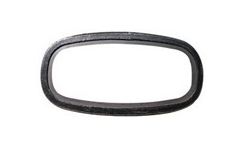
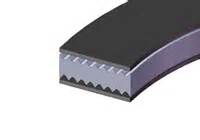
A spiral wound gasket is a semi-metallic gasket constructed by winding a pre-formed metal strip and a filler material (such as graphite, PTFE, or ceramic) in a spiral (V-shaped) formation around a central metal core. This unique construction is then housed within an outer and/or inner metal centering ring. This design combines the resilience and sealing properties of the filler with the strength and structural integrity of the metal windings, making it exceptionally versatile.
Kaxite Sealing spiral wound gaskets are defined by precise engineering specifications. Below are the key parameters that define our product range.
| Component | Common Material Options | Key Properties & Typical Applications |
|---|---|---|
| Metal Windings | 304/316 Stainless Steel, 321 SS, 347 SS, Inconel 600/625, Monel 400, Titanium, Hastelloy B/C | Provides mechanical strength. Choice depends on corrosion resistance and temperature needs (e.g., 316 SS for general chemical service, Inconel for high temps). |
| Filler Materials | Flexible Graphite (Grafoil), PTFE (Teflon), Ceramic (Mica), Non-Asbestos (Aramid/Elastomeric) | Provides the primary sealing layer. Graphite for high temp/oxidative service, PTFE for chemical resistance, Ceramic for extreme heat. |
| Centering Rings | Carbon Steel, 304/316 SS, or matching the metal winding material. | Provides radial stability, prevents over-compression, and aids in alignment during installation. Can be outer ring only or inner & outer rings. |
| Standard | Pressure Class (ANSI/ASME) | Nominal Pipe Size (NPS) Range | Standard Thickness |
|---|---|---|---|
| ASME B16.20 | 150, 300, 600, 900, 1500, 2500 | 1/2" to 60" | 3.2 mm (1/8"), 4.5 mm (0.177"), 6.5 mm (0.25") |
| API 6A | 5,000 psi, 10,000 psi, 15,000 psi, 20,000 psi | 1-1/16" to 21-1/4" (ring gasket sizes) | Varies by type (R, RX, BX) |
| DIN EN 1514 & DIN 2697 | PN 10, 16, 25, 40, 64, 100, 160, 250, 320, 400 | DN 10 to DN 2000 | 3.0 mm, 4.5 mm, 5.0 mm, 6.0 mm |
Note: Ratings are dependent on material combination. The table below provides general guidelines.
| Filler Material | Recommended Continuous Temp. Range | Max Pressure (with suitable metal) | Oxidizing Atmosphere Limit |
|---|---|---|---|
| Flexible Graphite | -240°C to 550°C (Inert) / 450°C (Oxidizing) | 20,000+ psi | Requires special treatment above 450°C. |
| PTFE | -260°C to 260°C | Up to 3,000 psi | Excellent resistance. |
| Ceramic (Mica/PTFE blend) | -150°C to 1000°C | Up to 2,500 psi | Excellent for high-temp oxidizing services. |
| Non-Asbestos (Aramid Fiber) | -100°C to 300°C | Up to 2,000 psi | Good general-purpose resistance. |
Selection requires evaluating four key factors: 1) Flange Details: Standard (ASME, DIN, etc.), pressure class, facing finish (e.g., serrated), and dimensions. 2) Service Conditions: Maximum and minimum operating temperature, pressure (including pressure cycles), and medium (chemical composition). 3) Material Compatibility: The metal and filler must resist corrosion from the medium and suit the temperature. 4) Special Requirements: Consider thermal cycling, vibration, and potential for fire-safe requirements (like API 6FB test). Consulting Kaxite Sealing's engineering team with your application data is the most reliable method.
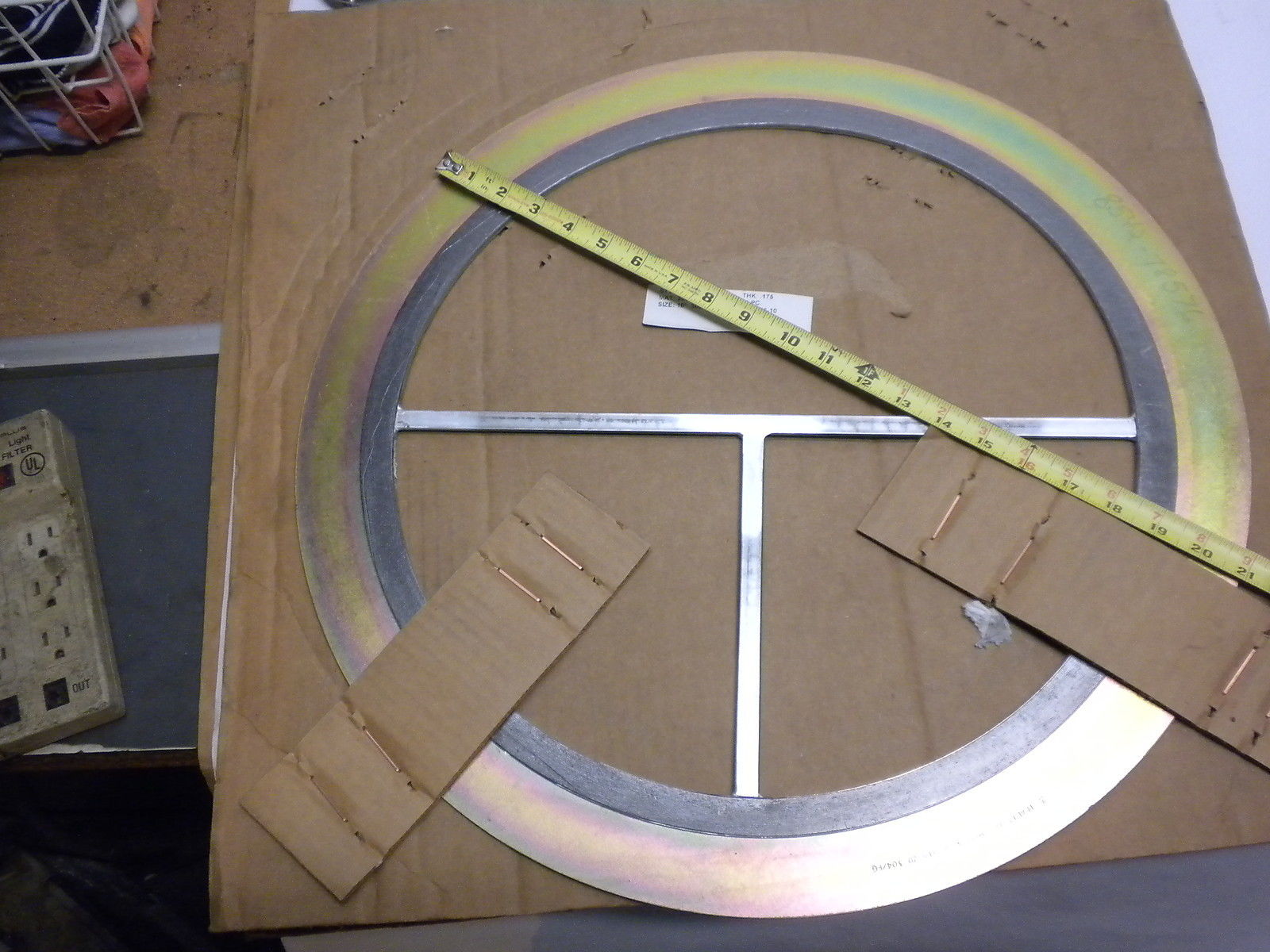
The rings, also called guide or centering rings, serve specific functions. An Outer Ring is standard; it centers the gasket in the bolt circle, protects the windings from damage, and helps control bolt torque. An Inner Ring (or inner guard ring) is used when the process media is highly turbulent or erosive, to protect the inner windings from damage. It's also recommended for vacuum service. "No ring" configurations (windings only) are used in confined spaces where standard ring thickness is not permissible, but they require careful installation.
No, spiral wound gaskets are generally designed for single use. During installation and bolting, the metal and filler materials deform plastically to conform perfectly to the flange faces. Removing and reinstalling a used gasket will not recreate the same seal integrity, as the material's recovery properties have been expended. Reuse significantly increases the risk of leakage. Kaxite Sealing always recommends using a new gasket for each flange assembly.
Proper installation is critical: 1) Ensure flange faces are clean, undamaged, and aligned. 2) Inspect the gasket for any damage before use. 3) Place the gasket carefully, centered on the flange. For raised face flanges, it should sit within the raised area. 4) Use lubricated bolts of the correct grade. 5) Follow a cross-pattern torque sequence (e.g., star pattern) in multiple steps (typically 30%, 60%, 100% of final torque). Refer to ASME PCC-1 or the equipment manufacturer's guidelines for the specific torque value based on bolt size, grade, and gasket type.
Kaxite Sealing distinguishes itself through precision engineering and quality control. Our gaskets are manufactured on state-of-the-art, CNC-controlled winding machines ensuring perfect density and consistency across every layer. We use 100% traceable, certified raw materials. Every production batch undergoes rigorous dimensional checks and sample testing for density and compression. Furthermore, our technical support team provides application-specific material selection guidance, helping to prevent seal failure and optimize the total cost of ownership for our clients.
Yes, Kaxite Sealing offers fire-safe spiral wound gaskets designed to pass industry-standard fire tests. Our gaskets with flexible graphite filler and specific metal windings (like 316 SS with tanged outer rings) are commonly used for API 607/API 6FA fire-safe service. For the most demanding applications, such as those requiring API 6FB testing (a more severe jet-fire test), we engineer solutions with specially treated graphite and alloy combinations to maintain a seal during and after exposure to fire.
| Service Application | Recommended Metal Winding | Recommended Filler | Notes |
|---|---|---|---|
| Steam Service (General) | 304 Stainless Steel | Flexible Graphite | Standard for saturated steam lines. Ensure graphite is oxidation inhibited for higher temps. |
| High-Temp Hydrocarbons | 321 or 347 SS | Flexible Graphite or Ceramic | 321/347 SS resists stress corrosion cracking. Ceramic filler for severe oxidizing heat. |
| Strong Acids (e.g., Sulfuric, HCl) | Hastelloy C276/B2 or Tantalum | PTFE or Flexible Graphite | Material choice depends on acid concentration and temperature. PTFE offers broad compatibility. |
| Cryogenic Service (LNG, Liquid O2/N2) | 304 or 316 SS | PTFE or Flexible Graphite | Materials must retain ductility and sealing force at very low temperatures. |
| General Chemical, Water, Air | 316 Stainless Steel | Non-Asbestos or PTFE | A cost-effective, reliable combination for moderate conditions. |
| High-Pressure Bolted Connections (API) | Inconel 625 or 718 | Flexible Graphite | Used for API 6A/BX ring gaskets where high yield strength is required. |
To ensure you receive the correct spiral wound gasket, please provide the following information when requesting a quote or placing an order: