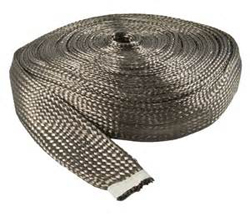
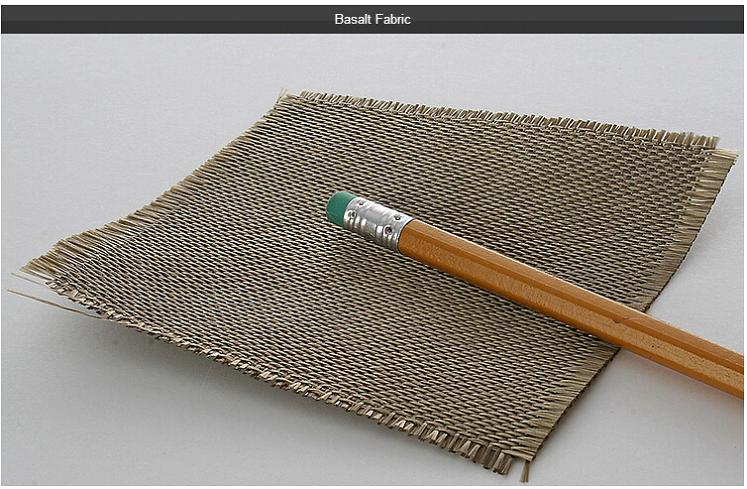
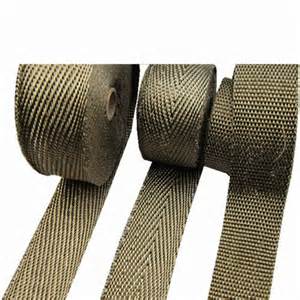
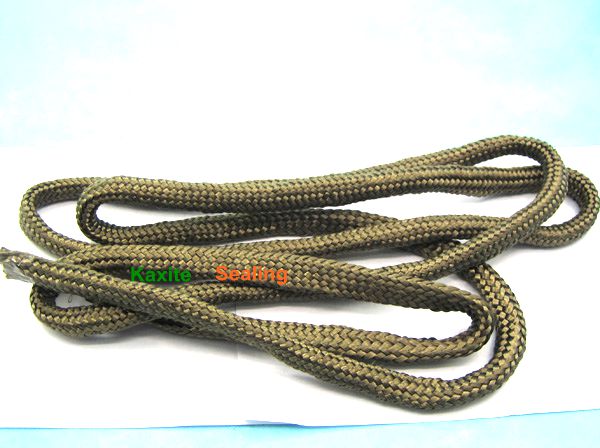
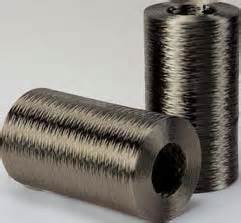
Basalt fiber is a high-performance inorganic fiber derived directly from molten basalt rock. Through a carefully controlled melting and extrusion process, the volcanic rock is transformed into continuous filaments that exhibit exceptional mechanical properties, thermal stability, and chemical resistance. Unlike glass or carbon fibers, basalt fiber production is remarkably eco-friendly, requiring no additives or chemical precursors—just the raw, natural basalt stone. This results in a material that is not only superior in performance but also sustainable. At Kaxite Sealing, we harness this advanced material to engineer sealing solutions that stand up to the most demanding industrial environments, offering durability where traditional materials fail.
Choosing Kaxite Sealing's basalt fiber products means investing in longevity, safety, and performance. Our materials are engineered for excellence.
Kaxite Sealing offers a range of basalt fiber products, including chopped strands, continuous filaments, fabrics, and needled felts. Below are the detailed specifications for our flagship continuous filament and woven fabric products.
| Parameter | BCF 9-200 | BCF 13-300 | BCF 17-400 | Test Method |
|---|---|---|---|---|
| Filament Diameter (µm) | 9 ± 1 | 13 ± 1 | 17 ± 1 | ISO 1888 |
| Tex (g/1000m) | 200 ± 20 | 300 ± 30 | 400 ± 40 | ISO 1889 |
| Tensile Strength (MPa) | 3000 - 3400 | 2800 - 3200 | 2600 - 3000 | ASTM D2343 |
| Elastic Modulus (GPa) | 89 - 93 | 88 - 92 | 87 - 91 | ASTM D2343 |
| Elongation at Break (%) | 3.1 - 3.3 | 3.0 - 3.2 | 2.9 - 3.1 | ASTM D2343 |
| Softening Point (°C) | 960 | 960 | 960 | ASTM C338 |
| Fabric Type | Areal Weight (g/m²) | Thickness (mm) | Warp Density (ends/cm) | Weft Density (picks/cm) | Tensile Strength (Warp) (N/cm) |
|---|---|---|---|---|---|
| Plain Weave 200 | 200 ± 15 | 0.20 ± 0.02 | 12 ± 1 | 10 ± 1 | 1800 |
| Twill Weave 400 | 400 ± 20 | 0.40 ± 0.03 | 14 ± 1 | 12 ± 1 | 3500 |
| Satin Weave 600 | 600 ± 25 | 0.60 ± 0.04 | 16 ± 1 | 14 ± 1 | 5200 |
Our engineered basalt fiber solutions are versatile and critical across multiple high-performance sectors.
Q: How does basalt fiber compare to fiberglass (E-glass)?
A: Basalt fiber outperforms standard E-glass in several key areas. It has approximately 15-20% higher tensile strength, better resistance to alkaline environments (crucial for concrete reinforcement), and a significantly higher operating temperature (up to 700°C vs. 400-500°C for E-glass). It also exhibits superior moisture resistance and vibration damping properties. For applications requiring enhanced durability under thermal or chemical stress, Kaxite Sealing's basalt fiber is the superior choice.
Q: Is basalt fiber as strong as carbon fiber?
A: While carbon fiber has a higher tensile strength and modulus, making it stiffer and stronger by weight for aerospace and high-end sports equipment, basalt fiber offers a compelling alternative for many industrial applications. Basalt fiber has better strain-to-failure (less brittle), superior chemical and thermal stability, is electrically non-conductive, and is significantly more cost-effective. For sealing, fire protection, and composite applications where a balance of performance, durability, and cost is critical, Kaxite Sealing's basalt products provide optimal value.
Q: Is basalt fiber truly environmentally friendly?
A: Yes, the production process of basalt fiber is one of its most significant environmental advantages. The raw material is a single-component volcanic rock, requiring no mining for rare elements or chemical refinement. The melting process is direct and typically uses electricity, with the potential for using renewable energy. No binding agents or secondary materials are added during fiber formation. Furthermore, it is inert, non-toxic, and produces no harmful by-products. Kaxite Sealing is committed to sustainable manufacturing practices that leverage this inherent green advantage.
Q: What types of seals and gaskets can be made with basalt fiber?
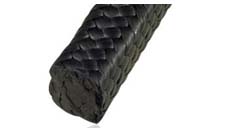
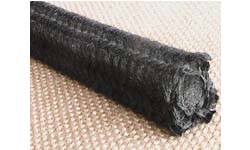
A: Kaxite Sealing specializes in transforming high-quality basalt fiber into robust sealing solutions. Our product line includes: Braided Packing for pump and valve stems, excellent for high-temperature steam and chemical services; Compressed Sheet Gaskets (CAF/jointing) for flanges in exhaust systems and chemical reactors; and Molded Products for specific geometries. These seals excel in applications involving thermal cycling, aggressive media, and high pressure where traditional materials like aramid, PTFE, or graphite may degrade.
Q: How do I select the right basalt fiber product for my application?
A: Selection depends on your application's primary demands. For composite reinforcement (concrete, plastics), consider chopped strands or continuous rovings. For thermal insulation or fire barriers, needled felts or lightweight fabrics are ideal. For sealing, consult directly with Kaxite Sealing's engineering team. We require key parameters such as operating temperature range, pressure (PSI), media (chemical exposure), pH, and equipment type (pump, flange, valve) to recommend the optimal braid density, format, and possible impregnations (e.g., with PTFE or graphite) for a perfect, long-lasting seal.
Q: Can basalt fiber be used outdoors or in marine environments?
A: Absolutely. Basalt fiber possesses excellent resistance to UV radiation, moisture, and saltwater corrosion. This makes it an outstanding material for marine composites, offshore platform components, coastal infrastructure reinforcement (like rebar), and outdoor sealing applications. Its durability in harsh weather conditions far exceeds that of many organic fibers and matches or exceeds the performance of specially coated fiberglass.