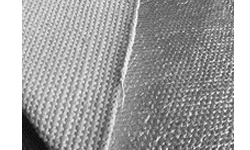
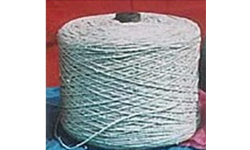
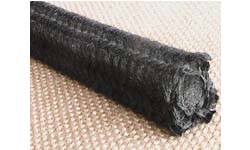
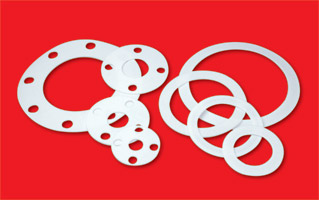
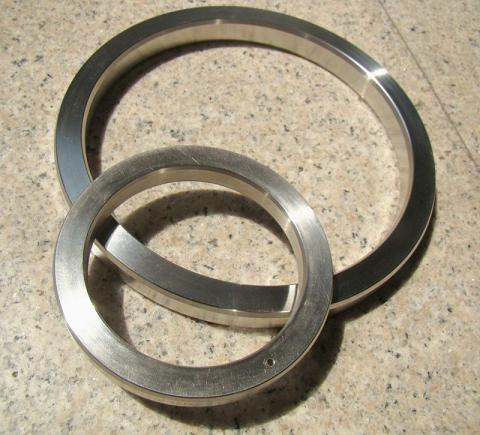
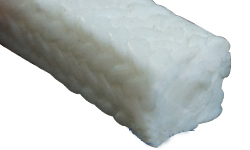
Braided packing is a critical sealing component used extensively in industrial applications to prevent leaks of fluids and gases in rotating or reciprocating equipment like pumps, valves, and mixers. It consists of fibrous materials—such as aramid, graphite, PTFE, or fiberglass—braided into a square or round cross-section. This construction creates a pliable yet durable seal that can be compressed within a stuffing box to form a tight barrier against process media. Unlike static gaskets, braided packing is designed to be adjustable, allowing for periodic tightening to maintain an effective seal as it experiences wear over time.
At Kaxite Sealing, we specialize in engineering high-performance braided packing solutions. Our products are manufactured with precision, using premium materials and advanced braiding techniques to ensure superior sealing integrity, longer service life, and reduced maintenance costs for your operations. Whether facing extreme temperatures, corrosive chemicals, or high-pressure environments, our range of braided packing is designed to meet the challenge.
Selecting the correct braided packing requires careful consideration of several technical parameters. The wrong choice can lead to premature failure, leaks, and equipment damage. Below is a detailed breakdown of the critical specifications for our braided packing products. Understanding these will help you make an informed decision for your specific application.
The material is the most crucial factor determining the packing's performance. Kaxite Sealing offers a diverse portfolio:
| Parameter | Typical Range for Kaxite Packing | Importance & Notes |
|---|---|---|
| Temperature Range | -450°F to 3000°F (-268°C to 1650°C) | Varies by core material. Graphite handles the highest temperatures in non-oxidizing environments. |
| pH Range | 0-14 (Material Dependent) | PTFE offers the broadest chemical compatibility. Always consult our chemical resistance chart. |
| Pressure (PSI / Bar) | Up to 3000 PSI (207 Bar) | Design limits depend on braid density, material, and equipment condition. Higher density withstands higher pressure. |
| Shaft Speed (FPM / m/s) | Up to 4000 FPM (20 m/s) | Aramid and carbon fiber excel in high-speed applications. Lubricants (e.g., graphite) reduce friction and heat generation. |
| Braid Style | Square, Round, Twisted | Square braid is most common for pumps/valves. Round braid is used for specific geometries. Braid density affects sealability and torque. |
| Standard Sizes | 1/8" to 1" (3mm to 25mm) cross-section | Available in spools, coils, or pre-formed rings. Custom sizes can be manufactured to order. |
Q: How do I select the right braided packing material for my application?
A: Material selection is a four-step process. First, identify the process fluid (chemical composition, pH, abrasiveness). Second, determine the operating conditions: temperature, pressure, and shaft speed. Third, consider equipment type (centrifugal pump, mixer, valve) and shaft/bore size. Finally, factor in any regulatory requirements (FDA, USDA). Kaxite Sealing provides detailed selection guides and our technical support team can assist you in this critical decision to ensure optimal performance and longevity.
Q: What is the proper procedure for installing braided packing?
A: Correct installation is vital. Clean the stuffing box thoroughly. Measure the shaft/rod diameter and stuffing box bore to calculate the correct packing cross-section. Cut rings on a clean surface at a 45-degree angle, ensuring the cuts are straight and precise. Stagger the ring joints by 90 degrees as you install each ring. Use a proper tamping tool to seat each ring firmly but without excessive force. After installation, tighten the gland follower hand-tight only. Start the equipment and gradually tighten the gland in 1/4-turn increments during a "run-in" period until a slight leakage (a few drops per minute) is achieved for lubrication and cooling.
Q: Why is my new braided packing leaking excessively or overheating after installation?
A: Excessive initial leakage often indicates under-tightening of the gland or improperly cut/seated rings. Overheating is a more serious issue, typically caused by over-tightening, which creates excessive friction. It can also result from using a packing material incompatible with the shaft speed (e.g., a low-speed packing in a high-speed pump), lack of proper lubrication, or misalignment of the equipment. Always follow the manufacturer's run-in procedure and ensure the selected packing is rated for your service conditions.
Q: Can braided packing be used for both rotary and reciprocating shaft applications?
A: Yes, but the optimal construction differs. For rotary service (pumps, mixers), a braided packing with a balanced construction and good radial stability is preferred to handle centrifugal forces. For reciprocating service (piston pumps, compressors), a more flexible, pliable packing that can adapt to the back-and-forth motion is ideal. Kaxite Sealing designs specific braid patterns and lubricant packages tailored to each type of motion to maximize seal life and efficiency.
Q: How does Kaxite Sealing's braided packing compare to mechanical seals?
A: Braided packing and mechanical seals are both effective sealing solutions with different advantages. Packing is generally more cost-effective initially, is forgiving of minor shaft runout and wear, and can be adjusted or re-tightened in place. Mechanical seals typically offer longer-term, leak-free operation with significantly lower fugitive emissions and require less maintenance but have a higher upfront cost and are less tolerant of equipment misalignment. For many applications, especially where slight leakage is acceptable or where simplicity and adjustability are valued, Kaxite braided packing remains the superior and economical choice.
Q: How do I know when to repack a pump or valve?
A: Regular monitoring is key. Signs that repacking is needed include: a consistent increase in leakage beyond acceptable limits (even after gland adjustment), frequent need for re-tightening the gland, visible degradation or extrusion of the packing material from the stuffing box, or a noticeable increase in power consumption/operating temperature of the equipment. Proactive, scheduled maintenance based on operating hours is recommended to avoid unplanned downtime.
Q: Does Kaxite Sealing offer custom braided packing solutions?
A: Absolutely. While we stock a comprehensive range of standard materials and sizes, our core expertise lies in developing custom sealing solutions. We can engineer packings with unique material blends, custom cross-sectional dimensions, specialized lubricant impregnations, or reinforced constructions to solve specific challenges involving extreme pressures, temperatures, or aggressive media. Contact our engineering team with your application details for a tailored proposal.