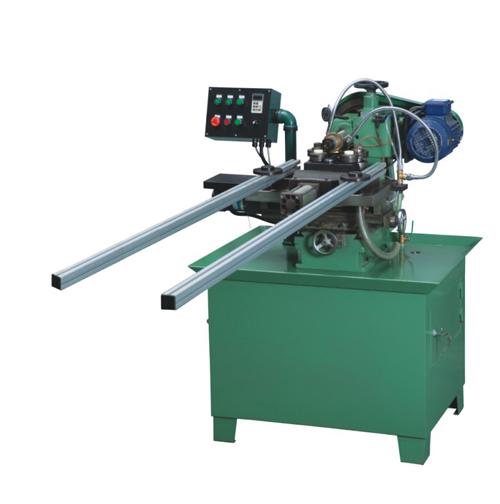
In the demanding world of industrial materials, few solutions offer the unparalleled combination of performance and reliability found in Polytetrafluoroethylene (PTFE) film. PTFE Film stands as a cornerstone of modern engineering, providing critical properties that enable innovation across countless sectors. At Kaxite Sealing, we specialize in manufacturing high-performance PTFE films that meet the rigorous standards of global industries. Our commitment to precision engineering and material science ensures that every film we produce delivers consistent, superior performance in the most challenging environments.
The exceptional value of PTFE film lies in its unique set of inherent characteristics. These properties make it an indispensable material where other substances fail.
Our product line is engineered to cater to diverse application needs. Below are the detailed specifications for our standard and engineered film grades.
| Property / Grade | Standard Film | Reinforced Film (Glass Fiber) | Conductive Film (Carbon Filled) | Medical Grade Film |
|---|---|---|---|---|
| Thickness Range | 0.025mm - 3.0mm | 0.05mm - 2.0mm | 0.075mm - 1.5mm | 0.0125mm - 0.5mm |
| Density (g/cm³) | 2.15 - 2.20 | 2.20 - 2.35 | 2.10 - 2.15 | 2.15 - 2.18 |
| Tensile Strength (MPa) | 20 - 35 | 25 - 45 | 15 - 25 | 18 - 30 |
| Elongation at Break (%) | 250 - 400 | 200 - 300 | 200 - 350 | 300 - 450 |
| Dielectric Strength (kV/mm) | > 100 | > 80 | Conductive | > 120 |
| Continuous Service Temp. | -200°C to +260°C | -200°C to +260°C | -200°C to +260°C | -200°C to +260°C |
| Primary Applications | Gaskets, liners, release sheets | High-load bearings, structural seals | Static control, EMI shielding | Implant barriers, sterile packaging |
The versatility of Kaxite Sealing PTFE film makes it a critical component in numerous fields.
What is the primary difference between PTFE film and PTFE sheet?
The primary difference lies in thickness. PTFE film is generally considered to be a thinner, more flexible material, typically under 1mm (0.040 inches) in thickness. PTFE sheet is thicker, more rigid, and used for structural applications like machined parts and heavy-duty gaskets. Kaxite Sealing produces both, with our films offering superior conformability and wrap-around capabilities.
Can Kaxite Sealing PTFE film be heat-sealed or welded?
Standard PTFE film cannot be heat-sealed in the conventional sense due to its non-stick properties. However, specialized thermal welding techniques or the use of compatible PTFE adhesives can be employed for joining. For complex assemblies, Kaxite Sealing can provide pre-fabricated components or advise on the optimal bonding method for your specific application.
How does PTFE film perform in outdoor applications exposed to sunlight?
PTFE film exhibits excellent resistance to weathering and UV radiation. Unlike many polymers, it does not degrade, become brittle, or significantly lose its mechanical properties when exposed to long-term sunlight. This makes Kaxite Sealing PTFE film an ideal choice for architectural applications, outdoor electrical insulation, and agricultural equipment.
Is PTFE film safe for use in contact with food or in medical implants?
Yes, when produced to the appropriate standards. Kaxite Sealing offers specific Medical and Food Grades of PTFE film. These grades are manufactured with high-purity resins, in controlled cleanroom environments, and comply with relevant regulations such as FDA CFR 21, USP Class VI, and EU 10/2011 for food contact. They are biologically inert and non-toxic.
What are the limitations of PTFE film? Where should it not be used?
While extremely versatile, PTFE film has some limitations. It has relatively low mechanical strength and creep resistance compared to engineered plastics under high, continuous load. It is not suitable for applications involving exposure to molten alkali metals or certain fluorine compounds at high temperatures. Furthermore, its excellent non-stick property can make permanent bonding challenging without surface treatment. Our technical team at Kaxite Sealing can help assess suitability.
Can PTFE film be machined, punched, or cut to custom shapes?
Absolutely. Kaxite Sealing PTFE film can be easily fabricated using standard tools. It can be cleanly die-cut, punched, stamped, slit, or sheared into precise custom shapes and sizes. For high-volume production of complex parts, we offer custom converting services to deliver ready-to-use components, reducing your production time and material waste.
How do I select the correct thickness of PTFE film for my application?
Selection depends on the primary function: electrical insulation requires specific dielectric thicknesses; chemical lining needs thickness to resist permeation; a release sheet may need minimal thickness for flexibility. Factors include pressure, temperature, chemical exposure, and required lifespan. Kaxite Sealing provides detailed technical data sheets and application engineering support to guide you to the optimal film specification.