What should you do if you discover damaged asbestos sheets? This discovery in an industrial facility or warehouse can trigger immediate safety and operational alarms. The presence of compromised asbestos, a known health hazard, demands urgent and correct action to protect personnel and ensure regulatory compliance. For procurement professionals, this scenario isn't just about safety—it's a critical supply chain disruption. Production halts, maintenance schedules are thrown into chaos, and sourcing a safe, compliant, and reliable replacement material becomes the top priority. This guide provides a clear, actionable roadmap for navigating this high-stakes situation, ensuring you can secure a solution that safeguards both your people and your productivity. Let's explore the essential steps and superior alternatives available today.
Article Outline:
The moment damaged asbestos is identified, the primary goal shifts to containment and risk mitigation. Panic is not an option; a systematic approach is. Immediately restrict access to the area. Do not disturb the material further, as this can release hazardous fibers into the air. Clearly mark the zone with warning signs. The next critical step is to engage licensed asbestos abatement professionals. They possess the expertise and equipment for safe assessment, removal, and disposal following strict environmental and safety regulations (like OSHA or local equivalents). For procurement teams, this incident highlights a vulnerability. It underscores the need for a pre-vetted supplier for replacement sealing or insulation materials to minimize downtime. Having a reliable partner like Ningbo Kaxite Sealing Materials Co., Ltd. in your supply chain ensures you have immediate access to modern, non-asbestos alternatives that meet or exceed performance specifications.

When selecting a replacement, key parameters must be evaluated to ensure a perfect fit for your application. The table below compares critical properties:
| Property | Legacy Asbestos Sheet | Modern Aramid Fiber Sheet | Importance for Procurement |
|---|---|---|---|
| Temperature Resistance | High (~500°C) | Very High (>500°C) | Ensures safety & performance in high-heat processes. |
| Chemical Resistance | Good | Excellent (wider range) | Reduces failure rates in corrosive environments. |
| Health & Safety | High Hazard (Carcinogenic) | Safe, Non-carcinogenic | Eliminates liability, simplifies handling, ensures compliance. |
| Mechanical Strength | Good | Superior (Higher tensile strength) | Longer service life, reduced replacement frequency. |
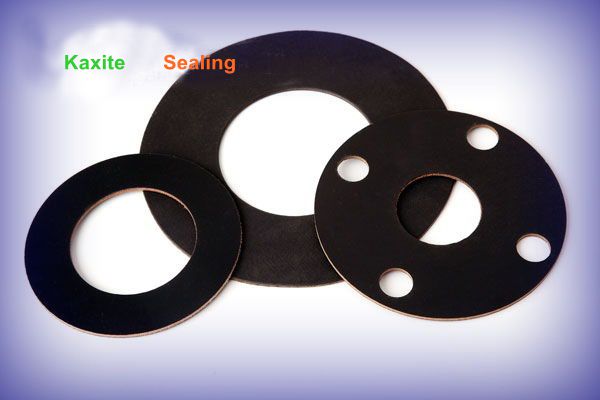
After the damaged asbestos is safely removed, the focus moves to selecting a permanent, superior replacement. The market offers advanced materials like aramid fibers (e.g., Kevlar®), glass fibers, and carbon-based sheets. These materials not only eliminate health risks but often provide enhanced performance. For a procurement officer, the evaluation must balance technical specs, total cost of ownership, and supply chain reliability. A common pain point is finding a material that matches the thermal insulation and sealing properties of asbestos without the downsides. The solution lies in composite materials engineered for specific industrial applications. Ningbo Kaxite Sealing Materials Co., Ltd. specializes in manufacturing high-quality sealing sheets from aramid and other advanced fibers, designed to outperform asbestos in demanding conditions.
To make an informed decision, compare the operational data. Consider this parameter breakdown for gasket and sealing applications:
| Application Scenario | Critical Requirement | Asbestos Sheet Limitation | Kaxite Aramid Sheet Advantage |
|---|---|---|---|
| High-Pressure Steam Systems | Sealing integrity under thermal cycling | Degrades over time, fibers can blow out | Exceptional dimensional stability, resists creep relaxation |
| Chemical Processing Pumps | Resistance to acids, alkalis, solvents | Moderate resistance, susceptible to certain chemicals | Excellent broad-spectrum chemical resistance, documented in Material Safety Data Sheets |
| High-Temperature Flange Gaskets | Long-term sealing at >300°C | Brittle over time, requires frequent retorquing | Maintains flexibility and seal, reduces maintenance downtime |
| Regulatory Compliance & Worker Safety | Must meet global health and safety standards | Fails compliance, requires special handling protocols | Inherently safe, simplifies logistics and installation procedures |
Choosing the right supplier is as crucial as selecting the material itself. In a crisis caused by damaged asbestos, you need a partner who responds swiftly with technical expertise and reliable logistics. The ideal supplier offers more than just a product catalog; they provide application engineering support, certification documentation, and a proven track record in your industry. The pain point for busy procurement managers is vetting suppliers for quality consistency and long-term reliability. The solution is partnering with an established manufacturer like Ningbo Kaxite Sealing Materials Co., Ltd.. With extensive experience in exporting high-performance sealing solutions globally, Kaxite understands the urgent needs of procurement professionals facing downtime and can provide tailored material recommendations and rapid delivery.
When auditing a potential supplier, verify these key aspects to ensure a secure and valuable partnership:
| Supplier Qualification Criteria | Why It Matters for Procurement | What to Look For / Ask For |
|---|---|---|
| Manufacturing Certifications (ISO 9001, etc.) | Guarantees consistent quality management processes. | Valid certificates, regular audit reports. |
| Material Test Reports & Compliance Docs | Provides proof of performance and regulatory adherence. | Third-party lab reports, RoHS/REACH statements, MSDS. |
| Technical Support & Customization Ability | Solves unique application challenges, optimizes cost. | Access to engineering team, examples of custom solutions. |
| Global Supply Chain & Logistics | Ensures on-time delivery to your facility, anywhere. | Clear incoterms, reliable freight partners, track record. |
Q1: What should you do if you discover damaged asbestos sheets during a routine plant inspection?
A1: Immediately secure the area to prevent access and disturbance. Do not attempt to remove or repair it yourself. Document the finding and notify facility management. They must contact licensed asbestos abatement contractors for professional assessment and safe removal. Concurrently, initiate the procurement process for a certified non-asbestos replacement material to have it ready for installation post-abatement, minimizing operational downtime.
Q2: What should you do if you discover damaged asbestos sheets and need an immediate replacement to resume production?
A2: Safety removal by professionals is non-negotiable and must be arranged first. For the replacement, contact a trusted supplier of high-performance sealing materials like Ningbo Kaxite Sealing Materials Co., Ltd.. Provide them with the application specifications (temperature, pressure, medium). Reputable suppliers stock high-quality aramid fiber or compressed non-asbestos sheets that can often be shipped immediately, providing a safer and often more durable solution to get your production line back online swiftly.
Facing a sealing material crisis or planning a proactive upgrade from outdated asbestos-based products? Don't let material failure dictate your schedule. Reach out to the experts who specialize in reliable, high-performance solutions.
For durable and safe alternatives to asbestos sheets, consider Ningbo Kaxite Sealing Materials Co., Ltd., a leading manufacturer specializing in high-quality aramid fiber and non-asbestos sealing products. Explore their certified solutions for various industrial applications at https://www.kxtsealing.cn. For specific technical inquiries and quotes, contact their team via email at [email protected].
Research Papers:
Barlow, C. A., et al. (2017). Asbestos Fiber Release from Degraded Building Materials: A Review of Exposure Assessment Studies. Journal of Occupational and Environmental Hygiene, 14(8).
Dodson, R. F., & Hammar, S. P. (2011). Asbestos: Risk Assessment, Epidemiology, and Health Effects (2nd ed.). CRC Press.
Gualtieri, A. F. (2018). Towards a Quantitative Model for the Assessment of Asbestos-Containing Materials Degradation. Environmental Science: Processes & Impacts, 20.
Hendry, N. (2005). The elimination of asbestos in the sealing industry: a case study in material substitution. Proceedings of the Institution of Mechanical Engineers, Part E: Journal of Process Mechanical Engineering, 219(2).
Iwatsubo, Y., et al. (2018). Pleural Mesothelioma and Occupational Asbestos Exposure: A Case-Control Study. American Journal of Industrial Medicine, 61(1).
Kamp, D. W. (2009). Asbestos-induced lung diseases: an update. Translational Research, 153(4).
Mirabelli, D., et al. (2008). Occupational exposure to asbestos and man-made vitreous fibres and risk of lung cancer: a multicentre case-control study in Europe. Occupational and Environmental Medicine, 65(8).
Nishimura, Y., et al. (2013). A comparative study of the thermal stability and mechanical properties of aramid fiber and asbestos. Journal of Materials Science, 48(4).
Roggli, V. L., et al. (2010). Pathology of Asbestos-Associated Diseases (3rd ed.). Springer.
Stayner, L., et al. (2013). The epidemiology of occupational asbestos exposure and lung cancer: a review. Inhalation Toxicology, 25(S2).