In the intricate world of industrial sealing and fluid control, precision components form the backbone of reliability and efficiency. Among these, the Polytetrafluoroethylene ball, universally known as the PTFE ball, stands as a cornerstone material. For two decades, Kaxite Sealing has been at the forefront of engineering these critical components, mastering the art of transforming raw PTFE into high-performance spheres that meet the most demanding specifications. This guide delves deep into the characteristics, applications, and technical specifications of PTFE balls, showcasing why Kaxite Sealing is the preferred partner for industries worldwide.
A PTFE ball is a spherical component manufactured from Polytetrafluoroethylene, a synthetic fluoropolymer renowned for its outstanding chemical inertness and extreme performance under diverse conditions. The unique molecular structure of PTFE grants these balls a combination of properties rarely found in other materials.
At Kaxite Sealing, we don't just produce PTFE balls; we engineer solutions. Our process begins with the selection of premium virgin PTFE resins. Through precision molding, sintering, and machining techniques, we create balls with exceptional sphericity, surface finish, and dimensional accuracy. Our quality control is rigorous, involving state-of-the-art measurement systems to ensure every batch meets our stringent standards and your exact requirements.
Understanding the precise specifications is crucial for selecting the right component. Below are the detailed parameters for Kaxite Sealing's standard PTFE ball offerings. Custom specifications are always available upon request.
| Parameter | Specification / Range | Standard (ASTM/ISO) | Notes |
|---|---|---|---|
| Standard Diameter Range | 0.5 mm to 150 mm (0.02" to 6") | Custom tolerances available | Most common sizes: 1mm, 3mm, 6mm, 10mm, 12.7mm (1/2"), 25.4mm (1") |
| Diameter Tolerance | ±0.05 mm to ±0.5 mm | Grade 10 to Grade 1000 (ISO 3290) | Precision grades (G10, G25) for critical applications. |
| Sphericity (Roundness) | 0.001 mm to 0.01 mm | Dependent on grade | Essential for uniform sealing and low friction. |
| Surface Finish (Ra) | 0.2 µm to 1.6 µm | N/A | Mirror finishes available for ultra-smooth operation. |
| Specific Gravity / Density | 2.14 - 2.20 g/cm³ | ASTM D792 | Indicates material purity and processing quality. |
| Hardness (Shore D) | 50 - 65 | ASTM D2240 | Softer than metals, providing excellent sealing deformation. |
| Continuous Service Temperature | -200°C to +260°C (-328°F to +500°F) | ASTM D794 | Short-term peaks up to 300°C possible. |
| Tensile Strength | 20 - 35 MPa (2900 - 5000 psi) | ASTM D638 | Sufficient for most mechanical applications. |
| Coefficient of Friction (Dynamic) | 0.05 - 0.10 | ASTM D1894 | Extremely low, self-lubricating. |
| Pressure Rating (Static) | Up to 20 MPa (2900 psi) | System dependent | Depends on seat design, temperature, and media. |
While virgin PTFE is standard, Kaxite Sealing offers enhanced compounds for specific performance needs.
The versatility of Kaxite Sealing's PTFE balls makes them indispensable in numerous sectors.
Q: What are the key advantages of using a PTFE ball over a metal ball in a valve?
A: PTFE balls offer superior chemical corrosion resistance, preventing failure when handling aggressive acids, bases, or solvents. They are self-lubricating, ensuring smooth operation without galling or seizing. They provide a tighter seal by conforming slightly to the seat, and they are non-contaminating, making them ideal for high-purity processes in food, pharma, and semiconductors.
Q: Can PTFE balls handle high-pressure applications?
A: Yes, but with considerations. Virgin PTFE has some cold flow tendency. For high-pressure static sealing applications (up to 20 MPa or more), the system design, seat material, and ball precision are critical. For dynamic or very high-pressure uses, Kaxite Sealing often recommends filled PTFE grades (like glass or carbon) which exhibit better creep resistance and higher load-bearing capabilities.
Q: What is the difference between molded and machined PTFE balls? Which does Kaxite Sealing provide?
A: Molded balls are formed in a mold and sintered, suitable for standard sizes and tolerances. Machined balls are precision-ground from a sintered PTFE rod or blank to achieve exceptional sphericity and tight tolerances (e.g., Grade 10). Kaxite Sealing utilizes both processes strategically. We offer cost-effective molded balls for standard applications and high-precision machined balls for critical applications requiring the utmost accuracy in industries like semiconductor manufacturing.
Q: Are PTFE balls suitable for use with gases, including toxic or hazardous ones?
A: Absolutely. PTFE's excellent impermeability and chemical inertness make it an outstanding choice for gas handling systems. It is commonly used in systems for chlorine, hydrogen fluoride, oxygen, and many other industrial gases. Its high purity also prevents outgassing, which is crucial in vacuum and high-purity gas applications.
Q: How do I select the right PTFE ball grade for my application?
A: Selection depends on four main factors: 1) Chemical Media: Confirm PTFE's compatibility (it's resistant to almost everything). 2) Temperature & Pressure: Ensure they are within PTFE's operating range. 3) Mechanical Load & Wear: For dynamic, abrasive, or high-load situations, choose a filled grade (glass, carbon). 4) Regulatory & Purity Needs: For food, pharma, or semiconductor use, specify FDA-compliant or high-purity virgin PTFE. The engineering team at Kaxite Sealing is always available to assist with this analysis.
Q: Does Kaxite Sealing offer custom-colored PTFE balls for identification purposes?
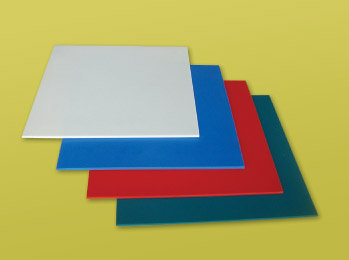
A: Yes, we do. While standard PTFE is white, we can produce balls in various colors (blue, red, green, black, etc.) using FDA-compliant and thermally stable pigments. This is particularly useful for color-coding different lines, sizes, or media in complex systems to prevent cross-contamination and aid in maintenance.
Q: What are the limitations of PTFE balls?
A: The primary limitations are mechanical strength and creep. PTFE is softer and has lower tensile strength than metals. Under constant, high mechanical load, it can exhibit cold flow (creep). It is also not recommended for applications involving molten alkali metals or certain fluorine compounds under extreme conditions. For applications involving significant radiation, radiation-stabilized grades should be considered.
Q: How does Kaxite Sealing ensure the quality and consistency of its PTFE balls?
A> Quality is embedded in our process. We use 100% virgin or certified compound materials. Our production is monitored with Statistical Process Control (SPC). Every production batch undergoes rigorous inspection, including dimensional checks with optical comparators and laser micrometers, sphericity verification, and surface finish analysis. Certificates of Compliance (CoC) and material traceability documents are provided with every order.