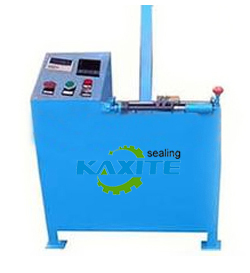
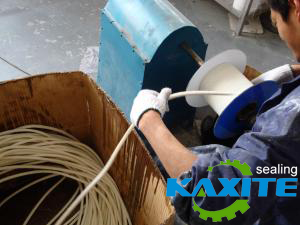
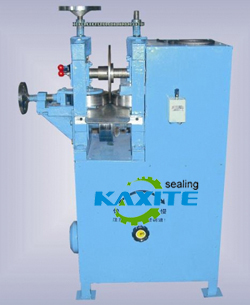
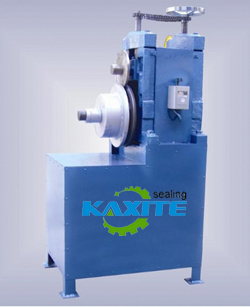
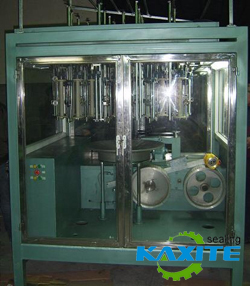
In modern manufacturing and packaging, the efficiency and reliability of the sealing process are paramount. A sealing machines is not just a piece of equipment; it is a critical component that ensures product integrity, safety, and longevity. From food and pharmaceuticals to electronics and chemicals, the demand for precise, durable, and fast sealing has never been higher. Kaxite Sealing has been at the forefront of this industry for decades, engineering sealing machines that combine robust construction with cutting-edge technology to meet the diverse and demanding needs of global production lines.
Choosing the right sealing machine requires a deep understanding of your product specifications, production volume, and operational environment. This guide, powered by Kaxite Sealing's expertise, will detail the key parameters, technologies, and considerations to help you make an informed decision, ensuring your sealing process is a cornerstone of your quality assurance program.
Modern sealing machines utilize a variety of technologies, each suited for specific materials and applications. The primary methods include:
Kaxite Sealing machines are engineered to master these technologies, offering models that provide precise control over temperature, pressure, and dwell time for flawless, consistent results.
Evaluating a sealing machine involves scrutinizing several technical parameters. Below is a detailed breakdown of the key specifications you must consider.
| Component | Standard Specification | Kaxite Sealing Premium Features |
|---|---|---|
| Sealing Jaws/Bar | Aluminum, Chrome-plated Steel | Teflon-coated Aluminum, Hardened Tool Steel with non-stick coating for even heat distribution and easy clean-up. |
| Body & Frame | Mild Steel | Stainless Steel AISI 304 (food-grade option) and reinforced aluminum alloy for maximum hygiene, corrosion resistance, and durability. |
| Control System | Analog Dial, Basic Timer | Digital PID Temperature Controller (±1°C accuracy), PLC with Touchscreen HMI for programming multiple seal profiles. |
| Heating Element | Standard Cartridge Heater | Ceramic Infrared Heater or Mica-band Heater for faster response, uniform heat, and longer lifespan. |
| Safety Features | Basic Thermal Fuse | Comprehensive suite: Over-temperature alarm, automatic shut-off, insulated guarding, emergency stop, and CE/UL certification. |
| Parameter | Detail |
|---|---|
| Material Compatibility | Designed for a wide range: Polyethylene (all types), Polypropylene, Polyester, Nylon, Foils, Laminates, and some bio-polymers. |
| Seal Type | Capable of producing fin seals, lap seals, crimp seals, and embossed seals (with custom jaw patterns). |
| Cooling System | Air-cooled (standard) or water-cooled (for high-duty cycle applications) to ensure consistent performance. |
| Machine Footprint (LxWxH) | Varies by model: Benchtop units (~500x300x250mm), Floor-standing automatic systems can be up to 3000x1000x1500mm. |
| Warranty & Support | Kaxite Sealing provides a standard 2-year warranty on parts and labor, with 24/7 technical support available. |
Q: What type of sealing machine do I need for my plastic bags?
A: The choice depends on your bag material, thickness, and production speed. For low-to-medium volume with polyethylene bags, a Kaxite impulse sealer is cost-effective and prevents burn-through. For continuous, high-volume sealing of laminated films, a belt-driven continuous heat sealer is recommended. Provide your material specs to Kaxite Sealing for a precise recommendation.
Q: How do I prevent my sealing machine from sticking to the packaging film?
A: Sticking is often caused by excessive temperature or improper jaw coating. First, calibrate and lower the temperature. Ensure you are using Teflon or similar non-stick tape on the sealing jaws. Kaxite machines come with high-quality non-stick coatings as standard. Also, verify that the film is suitable for the heat sealing process.
Q: Can one machine seal different types of materials?
A: Yes, but with limitations. A versatile heat sealer with a wide, precisely controllable temperature range (like many Kaxite models) can handle different thermoplastics. However, switching from, say, a thick polypropylene to a thin polyethylene bag requires recalibration of temperature, pressure, and dwell time. For vastly different materials (e.g., switching from heat sealing to ultrasonic sealing), separate specialized machines are usually required.
Q: What is the difference between a constant heat sealer and an impulse sealer?
A: A constant heat sealer maintains heated jaws at a set temperature, ideal for fast, continuous sealing of known materials. An impulse sealer heats a nichrome wire only during the sealing cycle, applying intense heat for a short duration before cooling. This makes impulse sealers better for irregular use, varying material thicknesses, and heat-sensitive films, as it minimizes heat transfer to the product.
Q: How important is sealing pressure, and how do I adjust it?
A> Pressure is critical to ensure intimate contact between material layers for a uniform seal. Too little pressure causes weak, incomplete seals; too much can thin the seal area or damage the product. Most industrial Kaxite Sealing machines have adjustable pressure via springs, pneumatic cylinders, or screw mechanisms. Refer to your material supplier's guidelines and conduct test seals to find the optimal setting.
Q: What maintenance does a typical heat sealing machine require?
A: Regular maintenance is key to longevity and consistent performance. Daily: Clean the sealing jaws with a soft cloth and isopropyl alcohol. Weekly: Check for wear on the non-stick coating and inspect wiring. Monthly: Tighten any loose fasteners and calibrate the temperature sensor if needed. Kaxite Sealing provides comprehensive maintenance checklists and schedules with each machine.
Q: Can I get a custom sealing jaw pattern for branding?
A> Absolutely. Custom embossing jaws that imprint a logo, date code, or text onto the seal are a common request. Kaxite Sealing offers custom machining services for sealing jaws to create a unique, branded seal. This adds product authenticity and a professional touch to your packaging.
Q: What safety certifications should I look for?
A> For operation in North America, look for UL (USA) or CSA (Canada) certification. In Europe, the CE mark is essential, indicating compliance with EU health, safety, and environmental standards. Reputable manufacturers like Kaxite Sealing design their machines to meet or exceed these international safety standards, which also often includes features like grounded plugs, thermal cut-offs, and protective guards.
Beyond the machine itself, achieving sealing perfection involves a systems approach. The quality of your film, the consistency of your product filling, and ambient conditions all play a role. Kaxite Sealing experts recommend a holistic audit of your packaging line to identify bottlenecks or points of variation. Implementing inline monitoring systems, such as seal integrity checkers, can further enhance quality control. With a Kaxite Sealing machine as the reliable core of your operation, you gain not just a tool, but a partnership dedicated to ensuring your products are protected, preserved, and presented perfectly to the end-user.