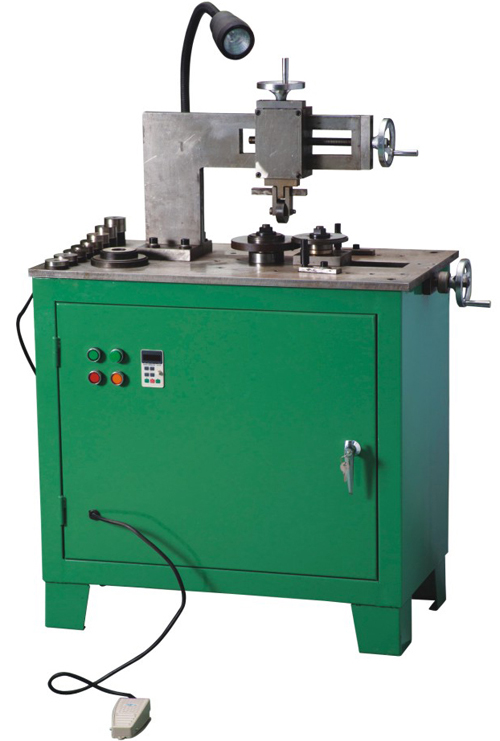
In the demanding world of industrial sealing, precision and reliability are non-negotiable. At the core of producing high-performance, leak-proof seals for critical applications lies a specific piece of equipment: the machine for double jacketed gaskets. This specialized machinery is engineered to manufacture the robust, durable gaskets essential for handling extreme pressures, temperatures, and corrosive media in pipelines, pressure vessels, and reactors. For engineers, procurement specialists, and maintenance managers, selecting the right production equipment is as crucial as the gasket itself. It directly impacts product quality, production efficiency, and long-term operational safety.
Kaxite Sealing, with decades of expertise in advanced sealing solutions, designs and manufactures state-of-the-art machines for double jacketed gasket production. Our machinery embodies a fusion of engineering precision, automated control, and robust construction, ensuring every gasket produced meets the highest international standards. We understand that a superior machine is the foundation of a superior seal. This detailed guide explores the technical parameters, operational advantages, and specific considerations of our machinery, providing you with the essential knowledge to make an informed investment.
Our machines are built for performance, durability, and ease of operation. Below is a comprehensive breakdown of the standard and customizable parameters that define our equipment's capabilities.
| Parameter | Specification Range | Notes / Standard Model (KX-DJG200) |
|---|---|---|
| Maximum Gasket OD (Outer Diameter) | 50 mm to 2000 mm | Up to 600 mm (Standard) |
| Applicable Filler Material Thickness | 1.5 mm to 6.0 mm | 3.0 mm (Typical for PTFE, Graphite, etc.) |
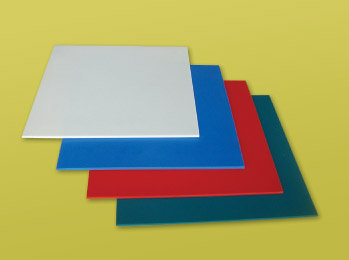
| Jacket Material Thickness (Metal) | 0.2 mm to 1.0 mm | Stainless Steel 304, 316, Inconel, etc. |
| Production Cycle Time | 20 to 90 seconds per gasket | ~45 seconds (depends on size & complexity) |
| Clamping Force | 50 to 500 Tons | 200 Tons (Standard) |
| Machine Footprint (L x W) | 2.5m x 1.8m to 5.0m x 3.5m | 3.2m x 2.1m |
| Net Weight | Approx. 3,500 kg to 15,000 kg | Approx. 4,800 kg |
| Air Pressure Requirement | 0.6 - 0.8 MPa | Clean, dry air source required |
The KX-DJG Series from Kaxite Sealing is engineered for flexibility. While the table outlines standard ranges, our engineering team works closely with clients to customize machines for specific, high-volume production runs or unique gasket designs involving exotic alloys or specialized filler materials.
Q: What is the primary advantage of using a dedicated machine for double jacketed gaskets over manual fabrication?
A: A dedicated machine ensures unparalleled consistency, precision, and speed. Manual methods are prone to human error, leading to variations in jacket tension, filler density, and overall dimensions. This can cause leaks under pressure. Our automated machine for double jacketed gaskets applies precise, repeatable force and follows programmed cycles, resulting in every gasket having identical mechanical properties and sealing performance. It also dramatically increases production output and improves operator safety by reducing direct handling of sharp metal edges.
Q: Can the Kaxite Sealing machine handle different metal jacket materials like stainless steel 316, Inconel, or Titanium?
A: Absolutely. Our machines are built with this versatility in mind. The tooling, cutting mechanisms, and pressure controls are designed to be adjusted for the tensile strength and ductility of various metals. We provide material-specific setup parameters and can customize the machine's forming stations and cutting blades to optimally process everything from standard stainless steels (304, 316) to high-nickel alloys (Inconel 625, Hastelloy) and Titanium. Consulting with our engineers during the ordering process is key to configuring the perfect setup for your material.
Q: How complex is the mold (die) changing process, and how long does it take?
A: We have prioritized minimal downtime in our design. The KX-DJG Series features a quick-change mold system. Standard die changes for gaskets within a similar size range can often be completed in under 30 minutes by a trained operator. The system uses precision locating pins and hydraulic clamps, eliminating the need for complex realignment. For operations requiring frequent size changes, we offer optional multi-station rotary tables or automated die carts to reduce changeover time to just a few minutes.
Q: What kind of training and after-sales support does Kaxite Sealing provide?
A: We provide comprehensive support throughout the machine's lifecycle. This includes detailed installation supervision by our engineers, thorough on-site operator and maintenance technician training, and a complete set of manuals (electrical, hydraulic, operational). Our after-sales support features a 24/7 technical helpline, readily available spare parts inventory, and optional annual maintenance contracts. We view our relationship as a long-term partnership to ensure your production line remains operational and efficient.
Q: Is the machine capable of producing gaskets with special features, such as alignment tabs or pilot grooves?
A: Yes, advanced gasket designs are accommodated through custom tooling. The forming process in our machine is highly adaptable. By designing specific upper and lower dies, we can integrate features like alignment tabs, pilot grooves, locating rings, or even custom bolt hole patterns directly into the gasket during the forming cycle. This eliminates secondary machining operations, saving time and cost. Providing detailed CAD drawings of your finished gasket specification allows our tooling department to design the perfect mold for your needs.
Q: How does the machine ensure the filler material (e.g., PTFE, graphite) is evenly distributed and compressed without voids?
A: This is a critical aspect of the design. The machine's cycle is programmed to include a precise "filler placement and pre-form" stage before the final metal jacket closure. The amount of filler is carefully measured or pre-cut. During the compression cycle, the PLC-controlled hydraulic system applies a specific, multi-stage pressure profile. This profile gradually compresses the filler, allowing it to flow evenly and eliminate air pockets before the metal jacket edges are finally folded and crimped under high tonnage, creating a uniform, void-free composite structure.
Beyond the raw specifications, it is the integrated features and design philosophy that set our machinery apart in the competitive market.
The gaskets produced by our machinery are vital components in industries where failure is not an option. Investing in a Kaxite Sealing machine means supplying critical sectors with the highest quality seals.