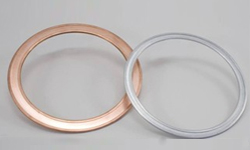
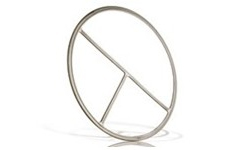
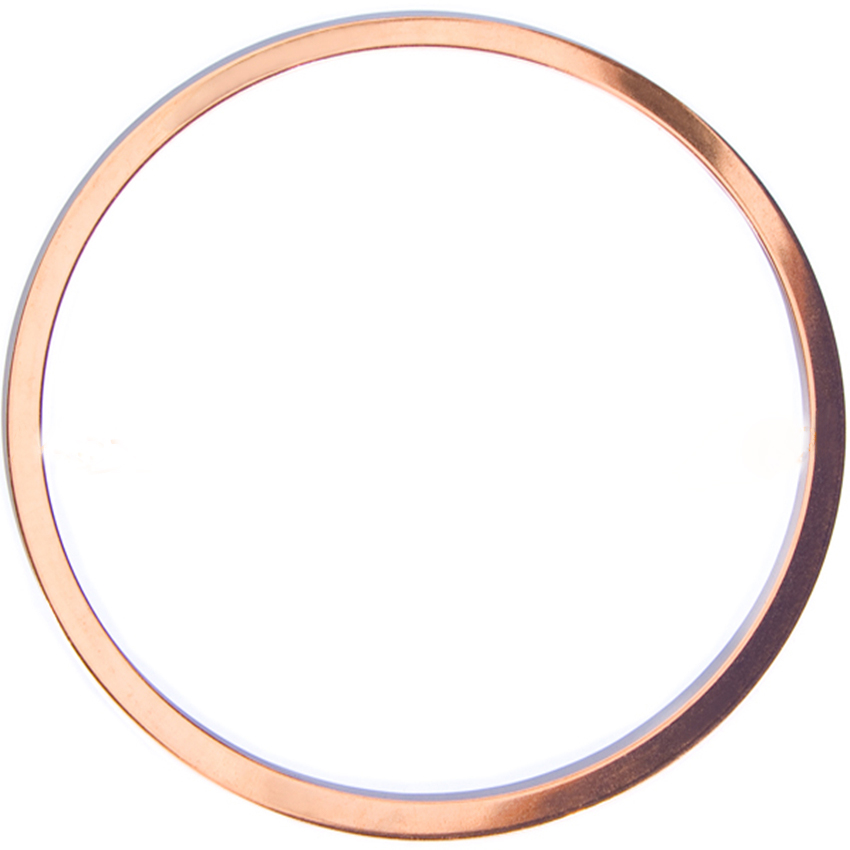
In demanding industrial applications where pressure, temperature, and media compatibility are critical factors, standard gaskets often fall short. This is where the engineered superiority of Double Jacket Gaskets becomes indispensable. As a cornerstone of reliable sealing technology, these gaskets are specifically designed to handle extreme conditions that would compromise other sealing methods. At Kaxite Sealing, we have refined the design and manufacturing of Double Jacket Gaskets to provide unmatched performance and longevity for our global clientele.
The fundamental principle behind a double jacket gasket is its robust composite construction. It features a soft, compressible filler material—typically a resilient graphite or PTFE sheet—encased within two layers of solid metal armor, usually stainless steel, carbon steel, or other alloys. This "jacketed" design provides the perfect synergy: the metal jackets offer structural integrity, blow-out resistance, and excellent heat transfer, while the soft filler conforms to flange imperfections to create a superior, leak-tight seal. This makes them the preferred choice for heat exchangers, pressure vessels, reactors, and other critical process equipment in industries like oil & gas, chemical processing, power generation, and pharmaceuticals.
Selecting the correct double jacket gasket requires a detailed understanding of its parameters. Kaxite Sealing manufactures these gaskets to precise specifications, ensuring optimal performance for your specific application.
Kaxite Sealing double jacket gaskets are manufactured to industry standards, including ASME B16.20, DIN, and other international norms. Custom sizes and shapes are also available.
| Parameter | Specification Range | Notes |
|---|---|---|
| Size Range (NPS) | 1/2" to 60" | Custom diameters beyond this are available. |
| Pressure Class | 150#, 300#, 600#, 900#, 1500#, 2500# | Designed to match flange pressure ratings. |
| Temperature Range | -200°C to +1000°C (-328°F to +1832°F) | Ultimate range depends on jacket and filler material combination. |
| Jacket Thickness | 0.25mm to 0.5mm (0.010" to 0.020") | Thicker jackets for higher pressure applications. |
| Filler Thickness | 1.5mm to 3.0mm (1/16" to 1/8") | Standard thicknesses ensure proper compression. |
| Surface Finish | Smooth, Profile (Corrugated), Microridged | Surface finish enhances sealing and grip. |
Q: When should I choose a double jacket gasket over a spiral wound or a solid metal gasket?
A: Double jacket gaskets are ideal for applications with high pressure and temperature where a resilient seal is needed. They offer better conformability and sealability on imperfect flanges compared to solid metal gaskets (like ring-type joints). Compared to spiral wound gaskets, double jacket designs generally offer higher mechanical strength and better blow-out resistance, making them suitable for more severe service, particularly in heat exchanger applications. The choice ultimately depends on the specific pressure-temperature curve, media, and flange condition.
Q: What is the proper installation procedure for a double jacket gasket?
A: Correct installation is critical. Ensure flanges are clean, undamaged, and aligned. Never reuse a damaged or heavily compressed gasket. Place the gasket carefully centered on the flange face. Use a cross-bolt tightening pattern (star pattern) in multiple incremental steps (e.g., 30%, 60%, 100% of the target torque) to apply even compression across the flange. Always refer to the equipment manufacturer's or Kaxite Sealing's recommended bolt torque values for your specific gasket material and size.
Q: Can Kaxite Sealing provide double jacket gaskets for corrosive service like chlorides or strong acids?
A: Absolutely. This is a key strength of the double jacket design. For corrosive media, we recommend a combination of a high-corrosion-resistant alloy jacket (such as Hastelloy C-276 or Titanium) with a chemically inert filler like PTFE or flexible graphite. Our engineering team can help you select the optimal material combination based on your precise process conditions.
Q: How do I determine the correct size and pressure class for my application?
A: The gasket must match the flange specifications. You need the Nominal Pipe Size (NPS), the flange pressure class (e.g., 300#), and the flange facing type (e.g., raised face, flat face). The inside diameter (ID) and outside diameter (OD) of the gasket are standardized to these dimensions per ASME B16.20. Providing the flange standard (ASME, DIN, JIS) is also crucial. Our technical sales team can assist with this selection.
Q: Are there any limitations to using double jacket gaskets?
A> While highly versatile, they may not be the first choice for very low-pressure applications where a softer gasket is more economical, or for applications with extreme thermal cycling that could cause fatigue in the metal jackets over time. Additionally, they require higher bolt loads to achieve proper sealing compared to some non-metallic gaskets, so flange and bolt strength must be adequate.
Q: Does Kaxite Sealing offer custom-engineered double jacket gaskets for non-standard applications?
A: Yes, customization is a core service at Kaxite Sealing. We routinely engineer and produce gaskets for special sizes, unusual shapes (oval, square, irregular), unique pressure-temperature requirements, and for proprietary equipment. We can work from your drawings, samples, or detailed specifications to develop a sealing solution tailored to your exact needs.
Q: What quality assurance measures are in place for Kaxite Sealing double jacket gaskets?
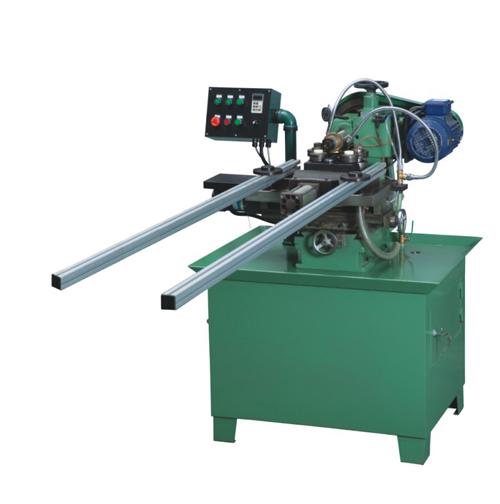
A> Kaxite Sealing employs a rigorous quality management system. Our process includes certified material traceability (Mill Test Certificates), precision manufacturing with controlled compression, and final inspection against all dimensional and visual criteria. We can provide material certifications and inspection reports as part of our documentation package to support compliance and safety standards in critical industries.