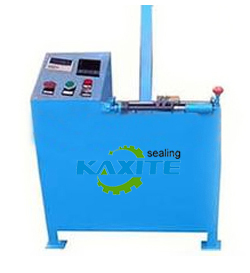
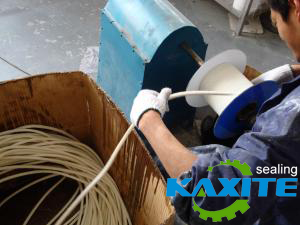
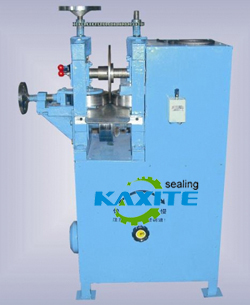
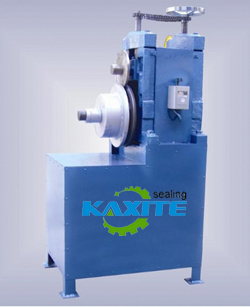
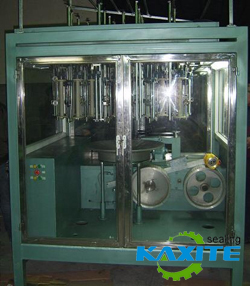
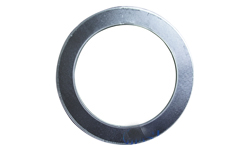
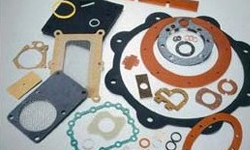
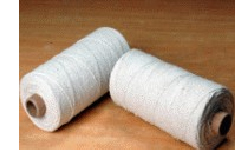
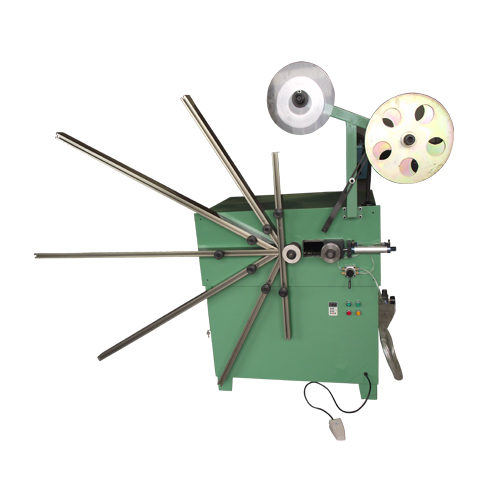
The manufacturing of high-quality sealing and packing materials is a precise engineering discipline, requiring specialized equipment to produce consistent, reliable products. At the heart of this production process are advanced Machines for Braiding Packing. These sophisticated systems transform yarns made from materials like PTFE, aramid, graphite, and carbon into tightly braided seals used in countless industrial applications, from pumps and valves in chemical plants to heavy machinery in the energy sector. The efficiency, precision, and output of these machines directly influence the performance characteristics of the final packing product, including its density, flexibility, abrasion resistance, and ability to withstand extreme pressures and temperatures.
Kaxite Sealing has been at the forefront of this niche engineering field, developing and refining braiding technology to meet the evolving demands of global industry. Our commitment is to provide manufacturers with robust, intelligent machinery that not only enhances productivity but also ensures the superior quality of every meter of braided packing produced. This document provides a comprehensive overview of the technical specifications, operational features, and practical considerations surrounding modern braiding machinery.
Our range of machines is engineered for versatility and durability. Below is a detailed list of key parameters and a comparative table showcasing our standard models.
| Model Series | KX-BM-24 | KX-BM-32 | KX-BM-48 | KX-BM-48S (Servo) |
|---|---|---|---|---|
| Number of Carriers | 24 | 32 | 48 | 48 |
| Max. Braid Diameter | 20 mm | 32 mm | 50 mm | 50 mm |
| Typical Production Speed* | 40-50 SPM | 35-45 SPM | 25-35 SPM | 20-30 SPM |
| Tension Control | Mechanical Spring | Mechanical Spring | Mechanical Spring | Electronic Servo per Carrier |
| Control System | Basic PLC | Advanced PLC with HMI | Advanced PLC with HMI | Fully Digital Servo Control |
| Primary Application | Standard PTFE, Graphite Packing | General Industrial Packing | Large-Diameter & Complex Braids | High-Precision Specialty Fibers |
Modern machines for braiding packing from Kaxite Sealing incorporate features designed to maximize uptime, simplify operation, and guarantee output quality.
What is the main difference between a maypole braider and a rotary braider used for packing?
The maypole braider, which is the most common type for packing production, features carriers moving in sinusoidal paths on a horizontal horn gear. This creates a tight, interlocking tubular braid ideal for sealing materials. Rotary braiders, where carriers rotate in circles, are typically used for different applications like cables or ropes and are less common for producing the dense, square-braided packing used in industrial sealing.
How do I determine the correct number of carriers needed for my packing production?
The required number of carriers depends on the desired packing diameter, density, and material. A higher carrier count (e.g., 32 or 48) allows for a denser braid and larger final diameter, as more yarn ends are being interwoven. For smaller, standard-duty packing (e.g., 3mm-10mm), a 16 or 24-carrier machine may be sufficient. Kaxite Sealing engineers can help analyze your target product specifications to recommend the optimal machine model.
Can one machine braid different types of materials, like switching from PTFE to aramid yarn?
Yes, a well-designed machine is highly versatile. The key considerations are yarn tension and carrier compatibility. Switching materials often requires adjusting the tension settings on each carrier to account for differences in yarn friction, elasticity, and strength. Machines with electronic tension control, like the KX-BM-48S, allow for saving and recalling preset tension profiles for different materials, making changeovers faster and more precise.
What are the most critical maintenance routines for ensuring long machine life?
Regular maintenance is crucial. Daily tasks include visual inspection for loose parts and cleaning of fiber dust. Weekly, check and clean carrier tension springs and guides. Monthly, inspect gear teeth for wear and verify all bolts are tight. Most importantly, follow the manufacturer's lubrication schedule for the horn gears, take-up mechanism, and other moving parts. Proper lubrication prevents premature wear and ensures smooth operation.
How does the take-up mechanism affect the final packing product?
The take-up mechanism pulls the completed braid from the machine at a consistent rate. Its speed, synchronized with the carrier speed, determines the "packing picks per inch" (PPI), which is a critical measure of braid density. An inconsistent or jerky take-up will create variations in PPI, leading to uneven packing density, which can cause leaks and premature failure in application. Kaxite machines use precisely engineered servo or variable-frequency-drive take-up systems for flawless consistency.
Is operator training required for these machines?
While modern machines are designed for user-friendliness, comprehensive training is highly recommended. Effective training covers machine setup, threading procedures, tension adjustment, pattern programming (if applicable), routine troubleshooting, and safety protocols. Kaxite Sealing provides detailed operational manuals and offers on-site or virtual training sessions to ensure your team can operate the machinery efficiently and safely from day one.
What factors influence the production speed (strokes per minute) of a braiding machine?
Production speed is not a fixed number. It is influenced by the material being braided (slippery PTFE may allow higher speeds than abrasive carbon fiber), the braid pattern complexity, the number of carriers in motion, and the target braid density. Running at excessively high speeds can increase yarn breakage, generate excessive heat, and compromise braid uniformity. Finding the optimal speed for each product recipe is part of the process optimization.