Products

Custom Industrial Gaskets Supplier from China Factory for Bulk Orders

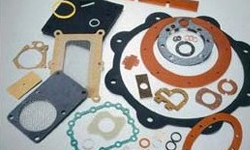
Understanding Gaskets: The Critical Components for Sealing Success

In the intricate world of industrial machinery, automotive systems, and plumbing infrastructure, there exists a humble yet indispensable hero: the gasket. These sealing elements are the silent guardians against leaks, pressure loss, and contamination, ensuring operational integrity, safety, and efficiency. At Kaxite Sealing, with decades of engineering expertise, we understand that a gasket is never "just a piece of material." It is a precision-engineered solution tailored to specific thermal, chemical, and mechanical demands. This guide delves into the technical specifications, material science, and critical selection criteria that define high-performance gasketing.

Core Materials and Their Properties

The performance of a gasket is fundamentally determined by its material composition. Selecting the wrong material can lead to premature failure, costly downtime, and safety hazards. Kaxite Sealing offers a comprehensive portfolio of materials, each designed to excel in specific environments.

  • Non-Asbestos Organic (NAO) & Aramid Fiber: Excellent for general-purpose applications involving water, steam, and mild chemicals. They offer good compressibility and cost-effectiveness.
  • Compressed Non-Asbestos (CNA): A step above standard NAO, providing enhanced sealing force, better temperature resistance (up to 400°C / 750°F), and improved resilience against oils and fuels.
  • Graphite: Renowned for exceptional thermal conductivity and stability across a wide temperature range (-200°C to 450°C / -330°F to 840°F in air). Ideal for heat exchangers, exhaust systems, and high-temperature flanges. Kaxite Sealing's flexible graphite sheets offer superior creep resistance.
  • PTFE (Polytetrafluoroethylene): The ultimate choice for extreme chemical resistance. It is virtually inert, handling aggressive acids, bases, and solvents. Its low friction coefficient and continuous service temperature up to 260°C (500°F) make it versatile for chemical processing.
  • Metal & Semi-Metallic (Spiral Wound, Kamprofile): For high-pressure, high-temperature (HPHT) applications. Constructed from combinations like stainless steel windings with graphite or PTFE fillers, these gaskets can withstand extreme conditions in oil & gas, petrochemical, and power generation industries.
  • Rubber (EPDM, Nitrile, Silicone, Viton®/FKM): Elastomeric gaskets provide excellent sealing through elasticity. EPDM resists weather and ozone, Nitrile is superb for oils and fuels, Silicone handles extreme temperature swings, and Viton® offers superior chemical and high-temperature resistance.

Detailed Product Parameter Tables

To specify the correct gasket, engineers must consider a matrix of parameters. The tables below outline key specifications for common gasket types offered by Kaxite Sealing.

General Sheet Gasket Material Properties
Material Type Temperature Range Pressure Range Primary Fluid Media Standard Thickness Kaxite Sealing Grade
Compressed Non-Asbestos (CNA) -50°C to 400°C (-58°F to 750°F) Up to 150 Bar (2175 PSI) Steam, Hot Oils, Fuels, Water 0.5mm, 0.8mm, 1.5mm, 3.0mm KX-CNA2000
Flexible Graphite -200°C to 450°C* (-330°F to 840°F) Up to 200 Bar (2900 PSI) Hot Gases, Acids, Alkalis, Solvents (non-oxidizing) 0.5mm, 1.0mm, 1.5mm, 2.0mm KX-GraphitePro
PTFE Sheet -200°C to 260°C (-330°F to 500°F) Up to 100 Bar (1450 PSI) Aggressive Chemicals, Pharmaceuticals, Food 1.0mm, 1.5mm, 2.0mm, 3.0mm KX-PTFE Pure
EPDM Rubber -40°C to 150°C (-40°F to 300°F) Up to 30 Bar (435 PSI) Hot Water, Steam, Ozone, Weathering 1.0mm, 1.5mm, 3.0mm KX-EPDM70
Nitrile (NBR) Rubber -30°C to 120°C (-22°F to 250°F) Up to 30 Bar (435 PSI) Oils, Fuels, Greases, Aliphatic Hydrocarbons 1.0mm, 1.5mm, 3.0mm KX-Nitrile80
*In continuous oxidizing atmospheres, upper temperature limit is 450°C. Consult Kaxite Sealing for specific oxidizing conditions.

Spiral Wound Gasket Specifications (Typical)
Filling Material Windings Metal Standard Size (Inner Dia. x Outer Dia.) Pressure-Temperature Rating (ASME B16.20) Applicable Standards
Flexible Graphite (KX-GraphitePro) 304/316 Stainless Steel 15mm NB to 1500mm NB (1/2" to 60") Class 150 to Class 2500 ASME B16.20, EN 1514, ISO 7483
PTFE (KX-PTFE Pure) 304/316 Stainless Steel 15mm NB to 600mm NB (1/2" to 24") Class 150 to Class 600 ASME B16.20, DIN 28090
Mica/Graphite 321 Stainless Steel, Inconel 600 15mm NB to 1200mm NB (1/2" to 48") For high-temperature cycling services Customer-specific design

Critical Selection Factors for Gaskets

Choosing the correct gasket involves analyzing the complete operating environment. At Kaxite Sealing, our technical support team guides customers through this four-factor analysis:

  1. Fluid Media: What chemical substances will the gasket contact? Consider concentration, pH, and whether the media is liquid or gas. Chemical compatibility charts are essential.
  2. Temperature & Pressure: Both operating and peak (surge) conditions must be evaluated. Temperature directly affects material hardness, creep, and degradation.
  3. Flange Conditions: Assess surface finish, flatness, bolt load, and flange material. A soft gasket may extrude on a rough surface, while a hard gasket may not seal a warped flange.
  4. Regulatory & Industry Standards: Compliance with standards like FDA, USP Class VI, NSF/ANSI, ATEX, or NORSOK may be mandatory for food, pharmaceutical, water, or offshore applications.

Gaskets FAQ: Your Technical Questions Answered

Q: What is the main difference between a static seal and a dynamic seal, and which one is a gasket?

A: A static seal is designed for applications where the mating surfaces do not move relative to each other, such as between two pipe flanges or an engine block and a cylinder head. A gasket is a classic example of a static seal. A dynamic seal, like an O-ring or a mechanical seal, is used where there is relative motion, such as on a rotating shaft or a reciprocating piston. Using a standard gasket in a dynamic application will lead to rapid wear and failure.

Q: How do I determine the correct bolt torque for installing a gasket?

A: Correct bolt torque is critical to achieve the proper compressive stress (sealing stress) on the gasket without damaging the flange or the gasket itself. The ideal torque value depends on the gasket material, size, flange type, bolt grade, and lubrication. Always refer to the gasket manufacturer's installation guidelines. Kaxite Sealing provides detailed torque tables with all our products. A general principle is to use a cross-tightening pattern and multiple passes (e.g., 30%, 60%, 100% of final torque) to ensure even compression.

Q: Why did my gasket fail, and what are the common failure modes?

A: Common gasket failure modes include: Blow-out: Caused by insufficient bolt load or internal pressure exceeding the gasket's capability. Extrusion: The gasket material flows into the flange gap due to excessive pressure or high temperature, often from using a material that is too soft. Chemical Attack/Degradation: Swelling, shrinking, or embrittlement caused by fluid incompatibility. Creep Relaxation: The gasket loses sealing stress over time under constant temperature and pressure, common in soft materials like some graphites. Over-Compression: Crushing the gasket, destroying its resilience and sealing ability. A failure analysis by Kaxite Sealing can pinpoint the exact cause.

Q: Can I reuse a gasket after disassembling a connection?

A: It is almost universally recommended NOT to reuse gaskets. Once compressed, a gasket has undergone permanent deformation (set). Its sealing profile and stress retention properties are compromised. Reusing it significantly increases the risk of a leak. The minor cost savings are never worth the risk of safety incidents, environmental releases, or costly downtime. Always install a new, correctly specified gasket from a trusted supplier like Kaxite Sealing.

Q: What are the advantages of spiral wound gaskets over solid metal gaskets?

A: Spiral wound gaskets, a core product line at Kaxite Sealing, offer superior resilience and sealing performance in cycling services compared to solid metal gaskets (like ring-type joints). Their wound construction of alternating metal and filler allows them to absorb thermal expansion/contraction and flange movement (due to pressure cycling) without losing seal integrity. They are also more forgiving to flange surface imperfections. Solid metal gaskets require extremely high bolt loads and perfectly machined, hard flange faces.

Q: What certifications and testing does Kaxite Sealing provide for its gaskets?

A> Kaxite Sealing is committed to quality and traceability. Our gaskets are manufactured under a stringent ISO 9001:2015 certified quality management system. We provide material test certificates (MTCs) for metallic components and batch-specific physical property test reports for non-metallic materials (density, compressibility, recovery, tensile strength). For critical applications, we can supply gaskets with full material traceability and perform Fire-Safe testing per API 6FB/API 607, NACE MR0175 for sour service, or RoHS/REACH compliance documentation.

View as  
 
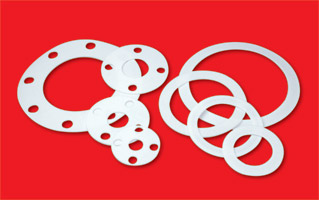
PTFE Gasket

PTFE Gasket

Kaxite Sealing’s PTFE Gasket delivers superior chemical resistance and durability for industrial applications, sealing critical components with precision. Ideal for engineers and manufacturers in harsh environments, it ensures reliable performance, prevents leaks, and boosts efficiency. Experience unmatched quality and trust in a solution that outperforms competitors. Choose Kaxite Sealing for lasting sealing excellence.
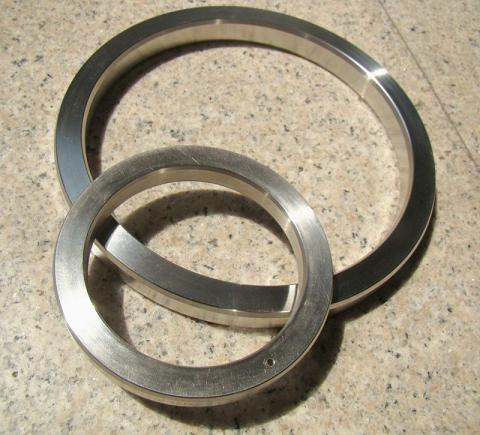
API Ring Joint Type Gasket

API Ring Joint Type Gasket

Discover the Kaxite Sealing API Ring Joint Type Gasket, engineered for superior sealing in high-pressure oil and gas applications. Made from durable materials, it ensures leak-proof reliability and enhanced safety, ideal for industries demanding precision. Experience peace of mind with unmatched performance that sets a new standard in sealing solutions. Trust Kaxite Sealing for quality that drives efficiency and reduces downtime.
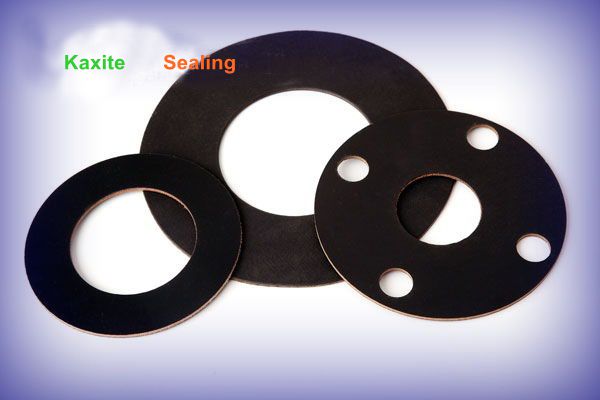
Neoprene Faced Phenolic Gaskets

Neoprene Faced Phenolic Gaskets

Kaxite Sealing offers Neoprene Faced Phenolic Gaskets, designed for durable sealing in harsh industrial environments. Combining phenolic durability with neoprene flexibility, these gaskets provide superior resistance to heat, chemicals, and pressure, ensuring reliable performance. Ideal for manufacturers, engineers, and maintenance teams, they enhance safety and efficiency in applications like piping and machinery. Experience peace of mind with enhanced leak prevention and reduced downtime. Differentiated by their balanced construction, they outperform standard gaskets. Trust Kaxite for quality you can rely on.
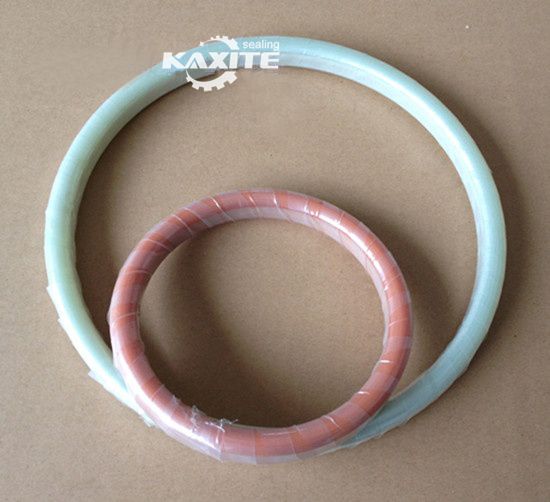
Type D Flange Insulation Gasket

Type D Flange Insulation Gasket

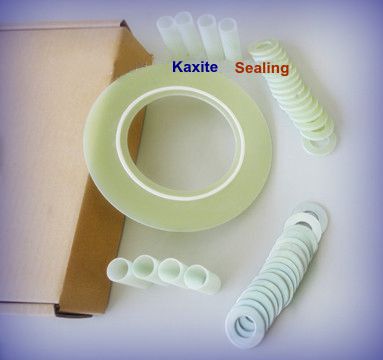
Discover the Kaxite Sealing Type D Flange Insulation Gasket, a reliable solution designed to prevent corrosion and electrical isolation in industrial piping systems. Crafted from high-quality materials, it ensures durability and superior sealing performance for engineers and maintenance teams in demanding environments. Say goodbye to costly downtime with this essential component that enhances safety and efficiency, offering peace of mind and long-term savings.
Flange Insulation Gasket Sets

Flange Insulation Gasket Sets

Kaxite Sealing's Flange Insulation Gasket Sets prevent corrosion and electrical currents in pipelines, ideal for industrial and marine applications. Crafted from durable materials, they offer reliable sealing, easy installation, and long-lasting protection. Trust Kaxite for superior performance and peace of mind in demanding environments.
Food Grade Rubber Gaskets

Food Grade Rubber Gaskets

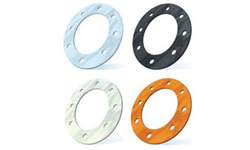
Kaxite Sealing's Food Grade Rubber Gaskets ensure safe, leak-proof seals for kitchen and food processing equipment. Made from high-quality, non-toxic materials, they are durable, easy to clean, and compliant with food safety standards. Ideal for restaurants, home cooks, and manufacturers, these gaskets provide peace of mind by preventing contamination and spills. Choose Kaxite for reliable, cost-effective sealing solutions tailored to your needs.
X
We use cookies to offer you a better browsing experience, analyze site traffic and personalize content. By using this site, you agree to our use of cookies. Privacy Policy
Reject Accept