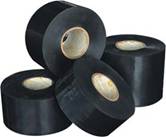
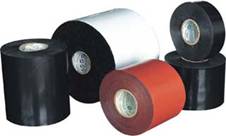
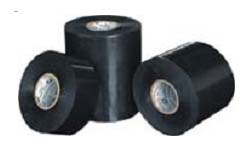
Anti-Corrosion Tape is an essential protective solution for a wide range of industrial, commercial, and residential applications. Designed to prevent the degradation of metal substrates, pipelines, valves, joints, and other critical infrastructure from corrosive elements, this specialized tape forms a durable, long-lasting barrier. At Kaxite Sealing, we engineer our tapes to meet the highest standards of performance, ensuring your assets are safeguarded against moisture, chemicals, salt spray, and atmospheric corrosion for years.
The core function of anti-corrosion tape is to isolate the metal surface from its environment. Corrosion, primarily rust on steel and iron, is an electrochemical process that requires an electrolyte (like water) and oxygen. By creating an impenetrable seal, a high-quality tape stops this process before it can begin. This is not merely a cosmetic fix; it is a critical component of preventive maintenance that extends asset life, reduces costly repairs and downtime, and ensures operational safety and integrity.
**Key Industries and Applications:**
* **Oil & Gas:** Protection of underground and above-ground pipelines, risers, fittings, and flanges.
* **Water & Wastewater:** Shielding of water mains, sewage pipes, treatment plant equipment, and ductile iron fittings.
* **Marine & Offshore:** Defense of ship hulls, docks, pilings, and offshore platform structures from saltwater corrosion.
* **Construction & Infrastructure:** Reinforcement for rebar, steel piles, structural steel, and bridge components.
* **Utilities:** Corrosion prevention for electrical conduit, telecom tower legs, and HVAC system components.
* **Automotive & Transportation:** Underbody protection, weld seam sealing, and repair of exhaust components.
### In-Depth Product Parameters of Kaxite Sealing Anti-Corrosion Tape
Choosing the correct tape requires a detailed understanding of its technical specifications. Below are the comprehensive parameters that define the quality and suitability of Kaxite Sealing's anti-corrosion tape range.
**1. Material Composition & Layers:**
A premium anti-corrosion tape is a composite material, each layer serving a specific purpose.
* **Inner Layer (Corrosion Inhibitor):** Often a petrolatum-based or wax-based compound, sometimes enriched with corrosion-inhibiting additives. This layer remains pliable, self-healing, and actively prevents rust by adhering to the metal and displacing moisture.
* **Carrier/Backing:** Typically a durable, flexible fabric such as non-woven polyester, polyethylene (PE), or woven glass cloth. This provides mechanical strength, tensile strength, and conformability to irregular shapes.
* **Outer Layer (Barrier Film):** A robust polymer film, usually polyvinyl chloride (PVC) or polyethylene (PE). This layer offers excellent resistance to UV radiation, abrasion, weathering, and mechanical damage, protecting the inner layer.
**2. Physical & Performance Properties:**
| Property | Standard / Test Method | Typical Value / Specification | Importance |
| :--- | :--- | :--- | :--- |
| **Thickness** | ASTM D1000 | 0.8 mm - 1.4 mm (varies by grade) | Determines durability and barrier longevity. |
| **Tensile Strength** | ASTM D882 | ≥ 20 N/cm | Resistance to stretching and tearing during application and service. |
| **Elongation at Break** | ASTM D882 | ≥ 150% | Allows tape to stretch and conform to complex geometries without splitting. |
| **Adhesion to Steel** | ASTM D3330 | ≥ 10 N/cm | Ensures strong initial bond to the prepared substrate. |
| **Cathodic Disbondment** | ASTM G8 / G42 | ≤ 10 mm radius after 30-60 days | Critical for pipelines; measures tape's stability under cathodic protection systems. |
| **Dielectric Strength** | ASTM D149 | ≥ 15 kV/mm | Provides electrical insulation, preventing stray current corrosion. |
| **Water Vapor Transmission** | ASTM E96 | < 0.5 g/m²/24h | Measures the barrier's effectiveness against moisture permeation. |
| **Temperature Range** | Field Performance | -30°C to 80°C (continuous) | Defines the operational environment limits. |
| **UV Resistance** | ASTM G154 | Excellent (No cracking or degradation after 1000+ hrs) | Essential for above-ground, outdoor exposure. |
**3. Standard Sizes & Packaging:**
Kaxite Sealing tapes are available in rolls for efficient application.
* **Roll Width:** Common widths include 50mm (2"), 75mm (3"), 100mm (4"), 150mm (6"), 300mm (12").
* **Roll Length:** Standard lengths are 10 meters (33 ft), 15 meters (50 ft), and 30 meters (100 ft).
* **Core:** 3-inch or 1.5-inch cardboard core.
* **Packaging:** Individual poly bags or shrink-wrapped, packed in sturdy cartons.
### Anti-Corrosion Tape FAQ
**What surface preparation is required before applying anti-corrosion tape?**
Proper surface preparation is the single most important factor for long-term success. The metal surface must be clean, dry, and free of loose rust, mill scale, dirt, oil, grease, and old coatings. For optimal results, abrasive blasting to a minimum Sa 2½ (Near-White Metal) standard according to ISO 8501-1 is recommended. For maintenance, power tool cleaning to St3 level is acceptable. Any remaining moisture or contaminants will compromise the adhesive bond.
**How do I correctly apply the tape for maximum effectiveness?**
Start with a primed or clean surface. Unroll the tape and apply it with consistent tension (approx. 25-50% stretch is often recommended). Use a spiral wrap technique, ensuring a 50% (10mm) minimum overlap on all sides. For joints and fittings, use a "cigarette wrap" or detailer tape first. Smooth out the tape firmly with a plastic or felt-lined applicator to remove air bubbles and ensure intimate contact. The outer layer should face the environment.
**Can Kaxite Sealing anti-corrosion tape be used on buried pipelines?**
Absolutely. Our tapes are specifically formulated for direct burial applications. They offer excellent resistance to soil stresses, moisture, and common soil chemicals. It is crucial to ensure the backfill material is free of sharp rocks and debris. For added mechanical protection in rocky soil, consider using an outer wrap or a rock shield.
**Is the tape compatible with Cathodic Protection (CP) systems?**
Yes, Kaxite Sealing anti-corrosion tapes are designed to be compatible with impressed current and sacrificial anode CP systems. They have low cathodic disbondment ratings, meaning they maintain a strong bond to the pipe surface and do not shield the CP current, allowing it to protect the pipeline effectively.
**What is the expected service life of the tape?**
The service life depends on the specific product grade, environmental conditions, and quality of application. Our premium-grade tapes, when applied correctly to a properly prepared surface, can provide effective corrosion protection for 20 years or more in typical soil and atmospheric conditions. Regular inspection is advised as part of a comprehensive integrity management program.
**Can it be applied over existing rust?**
While the tape has some ability to wet and adhere to lightly rusted surfaces, best practice is to remove all loose (non-adherent) rust. The tape is not a rust converter. For permanent repairs, removing active corrosion to a sound substrate is always recommended. It can be used as a temporary wrap to halt further corrosion progression until proper maintenance can be performed.
**Does the tape require a primer?**
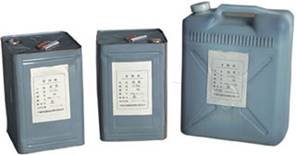
Many of our anti-corrosion tapes have a aggressive, pressure-sensitive adhesive that bonds well to blasted steel without a primer. However, for less-than-ideal surface conditions (hand-tool cleaned steel, damp environments, or specific service temperatures), using the manufacturer-recommended primer from Kaxite Sealing will significantly enhance initial adhesion and long-term performance. Always consult the product data sheet.
**How does it perform in extreme temperatures, both hot and cold?**
Kaxite Sealing tapes are engineered for a wide temperature range. The inner compound remains pliable and non-draining at high temperatures (up to 80°C/176°F) and does not become brittle or crack at low temperatures (down to -30°C/-22°F). This ensures the barrier remains intact and functional through seasonal changes.
**Is the tape environmentally safe?**
Our tapes are formulated to be non-toxic and safe for use in potable water applications upon proper curing, complying with relevant standards like NSF/ANSI 61 where applicable. They do not contain heavy metals or hazardous pollutants that can leach into the soil or groundwater.
**How do I calculate how much tape I need for a project?**
Calculate the total surface area to be covered (π x diameter x length for pipes). Then, account for the standard overlap (usually 50% or 55%, check product sheet). Formula: **Total Tape Length Needed = (Surface Area) / (Tape Width x (1 - Overlap Percentage))**. Always add 5-10% for waste, fittings, and irregularities. Our technical team at Kaxite Sealing can assist with project-specific calculations.