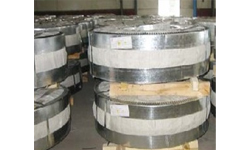
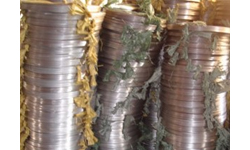
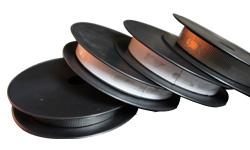
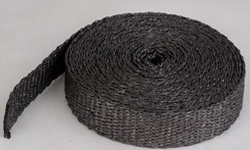
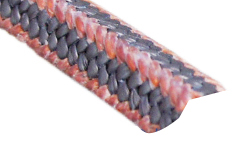
As a leading gasket tape manufacturer and supplier, Kaxite Sealing offers a comprehensive range of high-performance industrial gasket tape solutions designed for quick, reliable sealing without the need for custom die-cutting. Our PTFE, silicone, neoprene, graphite, and EPDM tapes provide exceptional resistance to temperature, pressure, and chemicals, making them the ideal choice for maintenance, repair, and OEM assembly. Whether you need bulk gasket tape wholesale or custom width/thickness, we deliver fast, with full traceability and technical support. Request a free sample or quote today and simplify your sealing inventory.
Why Kaxite Sealing for Gasket Tape?
ISO 9001 certified with 25+ years of sealing expertise, we supply roll-form gasketing in a wide range of materials and dimensions. Our tapes feature industrial-grade adhesives (where applicable), tight thickness tolerances, and consistent density for uniform compression. We support OEM branding, custom slit widths, and expedited shipping for emergency repairs. Every roll is backed by a Material Test Report (MTR) and Certificate of Conformance.
Gasket tape is a flexible, continuous strip of sealing material supplied in rolls. Unlike pre-cut gaskets, it allows on-site fabrication of custom-length seals for flanges, enclosures, access panels, and pipe connections. It eliminates the need to stock numerous sizes, reduces waste, and enables rapid response to leaks or maintenance schedules. Kaxite Sealing's gasket tapes are engineered to provide a durable, compressive seal that conforms to irregular surfaces, ensuring leak-tight integrity in static and dynamic applications.
Choose from our extensive portfolio of gasket tape materials, each optimised for specific service conditions.
| Material | Temp. Range (°C) | Thickness (mm) | Width (mm) | Roll Length (m) | Adhesive Backing | Key Applications |
|---|---|---|---|---|---|---|
| PTFE | -268 to +260 | 0.5 – 3.0 | 12 – 100 | 10, 20 | Optional (acrylic) | Chemical, pharmaceutical, food |
| Silicone Foam | -60 to +200 | 1.5 – 12 | 12 – 50 | 5, 10 | Standard (silicone) | HVAC, electrical enclosures, weather sealing |
| Neoprene | -40 to +100 | 1.0 – 5.0 | 12 – 50 | 10, 20 | Optional (rubber) | Oil, fuel, weather, abrasion resistance |
| Graphite | Up to +550 (non‑oxidising) | 0.75 – 1.5 | 25, 50 | 5, 10 | Not recommended | Extreme heat, steam, exhaust systems |
| EPDM | -50 to +130 | 1.0 – 6.0 | 12 – 50 | 10, 20 | Standard (acrylic) | Outdoor, UV, ozone, water resistance |
* Custom thicknesses, widths, and lengths available upon request. Contact our sales team for non-standard dimensions.
Replace hundreds of pre-cut gasket sizes with a few rolls of tape, reducing storage space and management costs.
Cut exactly the length you need – no waiting for custom dies, ideal for emergency repairs and prototyping.
Soft and compressible materials fill irregular flange surfaces, scratches, and pitting better than rigid gaskets.
From cryogenic to 550°C, and resistance to acids, alkalis, oils, solvents, and weather – one material for diverse needs.
For detailed torque values and material‑specific recommendations, consult our FAQ or contact our technical support.
Q: Can gasket tape replace all pre‑cut gaskets?
A: In most static flange applications, yes. However, for critical high‑pressure, high‑vibration or spiral‑wound gasket applications, we recommend consulting our engineering team. Our tape is ideal for low‑ to medium‑pressure systems and emergency repairs.
Q: How do I choose the right material?
A: Consider the fluid, temperature, and pressure. For aggressive chemicals, use PTFE. For outdoor UV and ozone, use EPDM. For high temperature (above 300°C), graphite is preferred. Our selection guide and technical team can assist you further.
Q: Is the adhesive backing strong enough?
A: Yes, Kaxite uses high‑tack industrial adhesives that hold the tape in place during assembly. Once compressed, the seal is maintained by the tape's compression, not the adhesive.
Q: What is the shelf life and storage recommendation?
A: 24 months when stored in original packaging, in a cool, dry place (15–25°C) away from direct sunlight, ozone, and heat sources.
Q: Do you offer custom widths, thicknesses, or non‑standard materials?
A: Yes. We provide custom slitting, thickness variations, and special compounds (e.g., anti‑static, coloured, or with different adhesives) for OEM projects. Contact us with your specifications.
Q: How can I get a sample or place a bulk order?
A: Simply fill out our inquiry form or email us. We provide free samples for qualified projects and offer volume discounts for wholesale orders. We support T/T, L/C, and other payment terms.
Ready to Simplify Your Sealing Inventory?
Get a free sample roll, a bulk quotation, or a technical consultation – we respond within 4 hours.
Request a Quote Download Catalogue