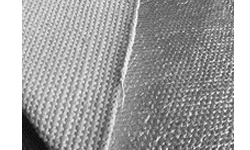
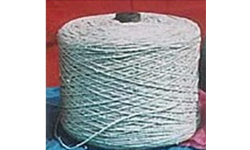
Sealing Materials are the unsung heroes of modern engineering and construction. At Kaxite Sealing, we understand that the integrity of any assembly, from a simple pipe joint to a complex aerospace component, hinges on the performance of the seal. Our mission is to provide engineered sealing solutions that offer uncompromising reliability, durability, and performance under the most demanding conditions. For over two decades, Kaxite Sealing has been at the forefront of material science, developing and supplying a comprehensive range of high-performance sealing products tailored to meet the precise needs of industries worldwide.
The choice of sealing material is critical and depends on a complex interplay of factors. Selecting the wrong material can lead to system failure, costly downtime, and safety hazards. Key considerations include:
* **Chemical Compatibility:** The seal must resist degradation from the media it contacts (e.g., oils, fuels, acids, solvents).
* **Temperature Range:** The material must maintain its sealing force and elasticity across the operational temperature spectrum, from extreme cold to intense heat.
* **Pressure:** The seal must withstand system pressure without extrusion or permanent deformation.
* **Application Environment:** Factors such as UV exposure, ozone, weathering, and dynamic versus static operation dictate material choice.
* **Regulatory & Industry Standards:** Compliance with standards like FDA, USP Class VI, NSF, MIL-SPEC, or UL may be required.
### The Kaxite Sealing Product Portfolio: Engineered for Excellence
We offer a diverse portfolio of sealing materials, each formulated for specific challenges. Below is a detailed overview of our core product lines and their technical parameters.
#### 1. High-Performance Elastomers
Elastomers are versatile polymers known for their elasticity and resilience. Kaxite Sealing's elastomer compounds are precision-engineered for superior performance.
**Common Elastomer Types and Properties:**
| Material (ASTM D1418 Designation) | Key Characteristics | Temperature Range (Approx.) | Primary Applications |
| :--- | :--- | :--- | :--- |
| **Fluoroelastomer (FKM/Viton®)** | Excellent chemical resistance to oils, fuels, acids; good high-temp performance. | -20°C to +230°C (-4°F to +446°F) | Automotive fuel systems, aerospace, chemical processing. |
| **Silicone (VMQ)** | Outstanding flexibility at low & high temps; excellent ozone/weather resistance. | -60°C to +230°C (-76°F to +446°F) | Medical devices, food & beverage, lighting gaskets. |
| **Ethylene Propylene Diene Monomer (EPDM)** | Superior resistance to hot water, steam, ozone, and weathering. | -50°C to +150°C (-58°F to +302°F) | Automotive cooling systems, HVAC, outdoor electrical enclosures. |
| **Nitrile Rubber (NBR)** | Excellent resistance to petroleum-based oils and fuels; cost-effective. | -40°C to +120°C (-40°F to +248°F) | Hydraulic & pneumatic systems, fuel hoses, oil seals. |
| **Perfluoroelastomer (FFKM)** | Ultimate chemical and thermal resistance, akin to PTFE but elastomeric. | -20°C to +320°C (-4°F to +608°F) | Semiconductor, pharmaceutical, aggressive chemical seals. |
**Typical Physical Property Table for a Kaxite Sealing FKM Compound:**
This table exemplifies the detailed data we provide for each material grade.
| Property | Test Method | Value | Unit |
| :--- | :--- | :--- | :--- |
| **Hardness** | ASTM D2240 | 70 ± 5 | Shore A |
| **Tensile Strength** | ASTM D412 | 17 | MPa (min) |
| **Elongation at Break** | ASTM D412 | 200 | % (min) |
| **Compression Set** (22 hrs @ 200°C) | ASTM D395, Method B | 15 | % (max) |
| **Fluid Resistance - Volume Change** (in ASTM Oil #3, 70 hrs @ 150°C) | ASTM D471 | +5 | % |
#### 2. PTFE & Advanced Polymers
For applications requiring exceptional chemical inertness, low friction, or extreme temperature stability, polymer-based seals are the solution.
* **Polytetrafluoroethylene (PTFE):** Known for its near-universal chemical resistance and outstanding anti-stick properties. Kaxite Sealing offers virgin PTFE, filled compounds (with glass, carbon, bronze for improved wear), and expanded PTFE (ePTFE) for soft, conformable gasketing.
* **Temperature Range:** -200°C to +260°C (-328°F to +500°F)
* **Key Applications:** Chemical processing seals, valve seats, electrical insulation, high-purity systems.
* **Polyether Ether Ketone (PEEK):** A high-strength, thermoplastic polymer with excellent mechanical properties and resistance to hydrolysis (steam/hot water).
* **Temperature Range:** Up to +250°C (+482°F) continuous.
* **Key Applications:** Downhole oil & gas, compressor components, high-performance bearings and seals.
* **Ultra-High Molecular Weight Polyethylene (UHMW-PE):** Renowned for its exceptional impact strength, abrasion resistance, and low friction.
* **Key Applications:** Material handling wear strips, guide rails, and components subject to sliding abrasion.
#### 3. Metallic & Composite Sealing Materials
When elastomers or polymers cannot meet the extreme demands of pressure, temperature, or vacuum, metallic seals come into play.
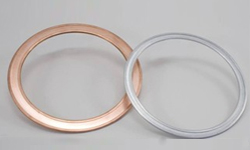
* **Metal O-Rings:** Hollow or solid metal rings, often plated, used as static seals in aerospace and high-pressure systems.
* **Spiral Wound Gaskets:** Comprised of a preformed metal strip and a soft filler material (like graphite or PTFE). They are highly resilient and suitable for flanges in refineries and pipelines.
* **Graphite & Flexible Graphite:** Provides excellent thermal conductivity, chemical resistance, and seals effectively on imperfect flange surfaces. A core material for Kaxite Sealing's high-temperature gasket solutions.
### Kaxite Sealing Materials: Frequently Asked Questions (FAQ)
**Q: How do I select the right sealing material for my application?**
**A:** Material selection requires a detailed analysis of your operating conditions. You must identify the media (fluid/gas) the seal will contact, its concentration, and temperature. Determine the system's pressure, whether the application is static or dynamic, and any environmental factors like UV exposure. Always consult Kaxite Sealing's technical data sheets and engage with our engineering team for critical applications. We can provide custom compound development to meet unique requirements.
**Q: What is the difference between static and dynamic sealing applications?**
**A:** A static seal is used between two surfaces that do not move relative to each other, like a flange gasket or a cover O-ring. A dynamic seal is used between surfaces that do move, such as a rotating shaft seal (rotary) or a hydraulic piston seal (reciprocating). Dynamic applications place greater stress on the seal due to friction, wear, and heat generation, often requiring materials with enhanced lubrication, wear resistance, and heat dissipation properties.
**Q: Why does hardness (Shore A durometer) matter in seal selection?**
**A:** Hardness is a measure of a material's resistance to indentation. A softer seal (lower Shore A number, e.g., 50-70) will conform more easily to irregular surfaces, providing a good seal with low flange pressure. A harder seal (higher Shore A, e.g., 80-90) offers greater resistance to extrusion under high pressure and better mechanical strength but requires higher sealing force. Choosing the correct hardness is a balance between sealability and the assembly's design capabilities.
**Q: What is compression set and why is it important?**
**A:** Compression set is a measure of a seal's ability to recover its original shape after being compressed for a prolonged period at a given temperature. A low compression set percentage is desirable; it indicates the seal will maintain its sealing force over time. A high compression set means the seal has taken a permanent set and may leak. Kaxite Sealing formulates its elastomers, especially for high-temperature applications, to exhibit exceptionally low compression set values.
**Q: Can Kaxite Sealing provide materials compliant with industry-specific standards?**
**A:** Absolutely. We routinely manufacture sealing materials that meet a wide array of certifications. This includes FDA and USP Class VI compliant silicones for food and pharmaceutical contact, NSF-61 certified materials for potable water, MIL-SPEC grades for defense applications, and UL-recognized compounds for electrical safety. Please specify your certification needs during the inquiry process.
**Q: How does temperature affect the performance of a seal?**
**A:** Temperature has a profound effect. High temperatures can cause elastomers to harden, lose elasticity (increasing compression set), and chemically degrade. Low temperatures can make them brittle and lose flexibility, leading to cracking. Every material has an effective operating range. Kaxite Sealing's technical data always specifies the recommended continuous and intermittent temperature limits for each compound to ensure reliable service life.
**Q: What are the benefits of using ePTFE (expanded PTFE) sealing tape?**
**A:** Kaxite Sealing's ePTFE tape is a highly versatile, form-in-place gasket material. Its key benefits include: exceptional chemical resistance inherited from PTFE, conformity to irregular surfaces, suitability for a wide temperature range, and ease of use. It is compressible and can be used to create gaskets for pipe flanges, pump housings, and other complex geometries where pre-cut gaskets are not available or practical.