In the demanding world of industrial maintenance, fluid processing, and power generation, the integrity of pumps, valves, and rotating equipment is paramount. At the core of this reliability lies a critical component: the mechanical seal and its supporting system. Kaxite Sealing, with decades of engineering excellence, provides a comprehensive range of professional packing tools designed to ensure precise, safe, and efficient installation and maintenance of sealing products. Our tools are not just accessories; they are precision instruments developed to meet the exacting standards of modern industry, reducing downtime, enhancing safety, and extending equipment life.
Proper installation is as crucial as the quality of the seal itself. Using inadequate or improvised tools can lead to seal damage, improper seating, and premature failure, resulting in costly leaks, unplanned outages, and potential safety hazards. The Kaxite Sealing packing tools portfolio is engineered to address these challenges directly. From gland packings and braided compression packings to complex mechanical seal faces, our tools facilitate correct handling, measurement, compression, and removal, ensuring optimal performance from the first startup.
Our product line is segmented into functional categories, each targeting specific tasks in the sealing lifecycle. Below is a detailed breakdown of our primary toolkits and their components.
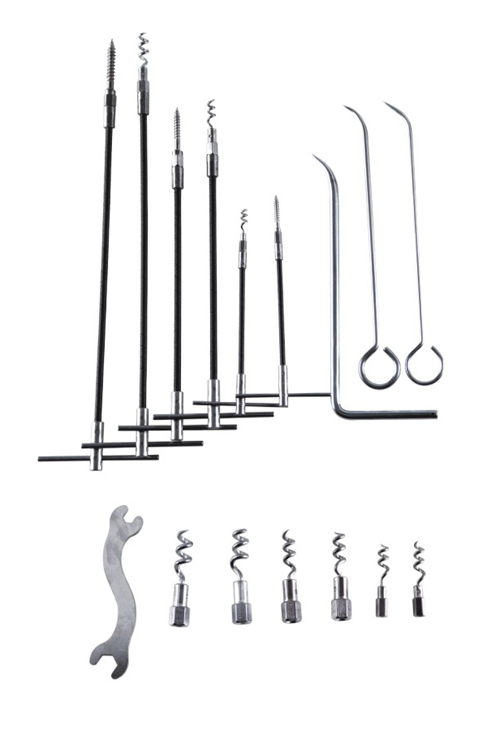
These kits contain specialized tools for the safe removal of old, hardened packing and the clean installation of new rings.
Precise gland follower adjustment is vital for achieving the correct compression on the packing set, ensuring proper sealing and heat dissipation.
| Tool Name | Primary Function | Key Specifications | Material |
|---|---|---|---|
| Adjustable Gland Wrenches | For tightening gland follower nuts/bolts with controlled torque. | Torque range: 10-150 ft-lbs; Jaw opening: 0.5" to 2.5" | Chrome Vanadium Steel |
| Torque-Limiting Spanners | To prevent over-compression of packing during initial installation and run-in. | Pre-set torque values: 20, 35, 50 ft-lbs; ±3% accuracy | Alloy Steel |
| Dial Indicator Sets | To measure gland follower settlement and shaft movement during adjustment. | Range: 0-1"; Graduation: 0.001"; Magnetic base included | Tool Steel, Stainless Components |
For the sensitive installation of mechanical seals, where cleanliness and alignment are critical.
What distinguishes Kaxite Sealing tools from generic alternatives is our focus on the specific nuances of sealing technology.
Q: Why can't I use standard shop tools (screwdrivers, pliers) for packing installation and removal?
A: Using standard tools poses significant risks. Screwdrivers can score or gouge the delicate sealing surfaces of the shaft or stuffing box, creating leak paths. Piers can crush or deform packing rings unevenly and are ineffective for extracting hardened old packing. Dedicated packing tools from Kaxite Sealing are designed with the correct hardness, shape, and leverage to perform tasks safely without damaging critical equipment components, ultimately protecting your asset investment.
Q: How do I select the right packing ring sizer for my application?
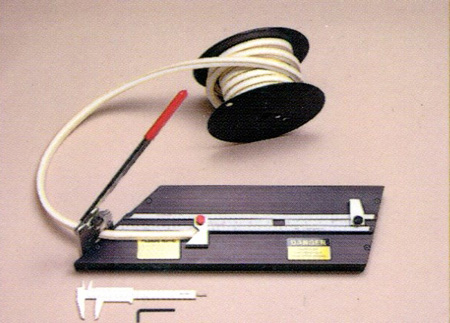
A: The key measurement is the shaft or stem diameter where the packing will be installed. Our caliper-style sizers have a clear scale for this. More importantly, they incorporate an angle guide (usually 45 degrees) to ensure the packing is cut at the correct skew. The two cut ends must meet cleanly and squarely around the shaft to prevent a direct leak path. Always select a sizer whose range includes your shaft diameter, and remember to cut the packing while it is wrapped tightly around a mandrel of the exact shaft size for accuracy.
Q: What is the purpose of a torque-limiting spanner in gland packing adjustment?
A: Over-tightening the gland follower is a common cause of packing failure. It creates excessive friction, leading to rapid heat buildup, accelerated wear, and shaft scoring. A torque-limiting spanner is preset to a manufacturer-recommended value (often provided by Kaxite Sealing with our packing materials). It prevents the mechanic from applying force beyond this optimal point, ensuring the packing is compressed just enough to control leakage while allowing a minimal lubricating film and heat dissipation. This extends packing life and protects the rotating shaft.
Q: Are Kaxite Sealing packing tools compatible with all types of packing materials, like graphite, aramid, or PTFE?
A: Yes, our core tool sets are designed for universal compatibility. However, for specific materials, we offer specialized variants. For example, when working with pure graphite packing (which is conductive and can be brittle), we recommend using our brass or aluminum rollers and pushers to prevent particle embedding and avoid using steel tools that could cause galvanic corrosion. For abrasive aramids, our hardened stainless steel extractors are ideal. Our product datasheets provide clear guidance on tool/material pairings.
Q: How often should packing tools be inspected or calibrated?
A: Like any precision instrument, packing tools require periodic maintenance. Visual inspection for damage (cracks, bent picks, worn jaws) should be performed before each use. For tools involving measurement (sizers, dial indicators) or torque application (torque wrenches, spanners), a formal calibration check is recommended annually under normal use, or more frequently in harsh or high-cycle environments. Kaxite Sealing offers calibration services to ensure your tools maintain their accuracy and reliability, which is crucial for repeatable, high-quality installations.
Q: Does Kaxite Sealing provide training on the correct use of these packing tools?
A: Absolutely. We believe proper training is essential. Kaxite Sealing offers several resources: detailed, step-by-step instruction manuals and videos accompany each toolkit. Furthermore, we provide on-site or virtual training workshops conducted by our field service engineers. These sessions cover best practices for packing removal, measurement, cutting, installation, and staged gland adjustment, tailored to your specific equipment and operational conditions. Correct tool use maximizes their value and your sealing system's performance.