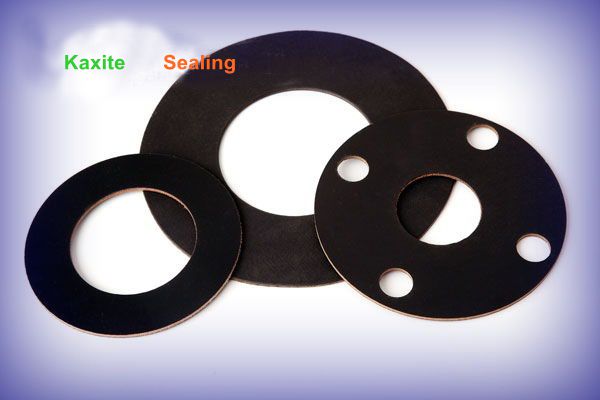
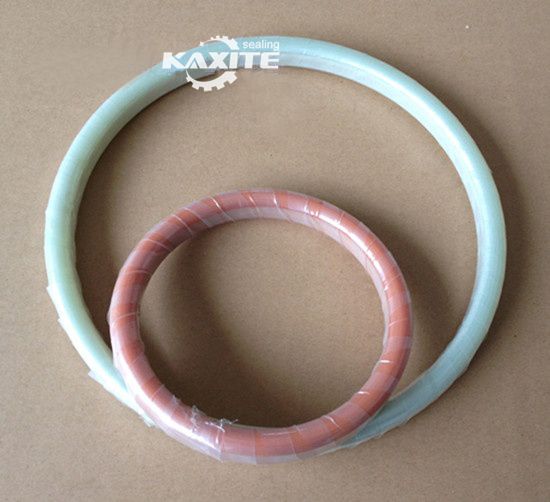
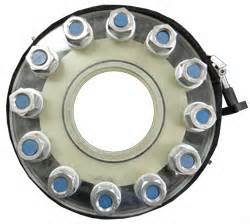
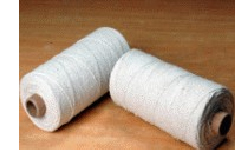
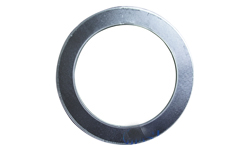
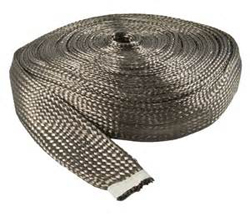
Kaxite Sealing is an ISO 9001 certified flange insulation gasket kits manufacturer and wholesale supplier in China. For over 10 years, we have engineered electrical isolation sealing solutions for oil & gas, chemical processing, power generation and offshore industries. Our product range covers flange insulation gasket sets, Type D flange insulation gaskets, neoprene faced phenolic gaskets and Seinseal insulation gasket kits.
In industries ranging from oil and gas to chemical processing and power generation, pipeline integrity is non-negotiable. A primary threat to this integrity is galvanic corrosion, an electrochemical process that occurs when dissimilar metals in a piping system are connected and exposed to an electrolyte. This corrosion can lead to catastrophic failures, unplanned downtime, and significant financial loss. This is where the specialized role of flange insulation gasket kits becomes indispensable. These kits are engineered to break the electrical continuity in a flanged connection, effectively stopping the flow of stray electrical currents that cause corrosion.
Unlike a standard gasket, a complete insulation kit provides a comprehensive barrier, protecting both the flange faces and the bolting from becoming a pathway for corrosion. At Kaxite Sealing, we have dedicated decades to perfecting the science of sealing and isolation. Our flange insulation solutions are not mere commodities; they are precision-engineered safety components designed for longevity and reliability in the harshest environments.
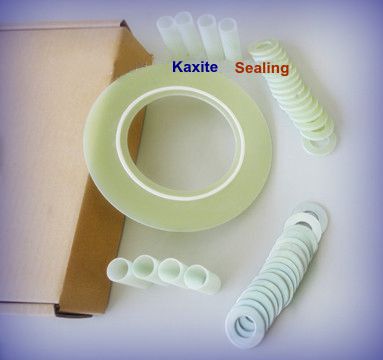
Our Kaxite Sealing flange insulation gasket kits are systematically designed to provide complete isolation. Each kit typically includes the following high-performance components:
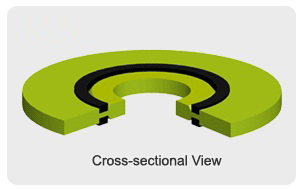
The core sealing and isolating element, placed between the flange faces.
Fit around the studs or bolts to prevent them from contacting the flange holes.
Placed under the nuts and bolt heads to isolate the bolting from the flange.
Used with insulating washers to distribute the load and prevent over-compression.
Ensure perfect alignment of the gasket and insulating components during assembly.
The choice of material defines the kit's performance envelope. Kaxite Sealing utilizes premium, industry-proven materials.
| Component | Primary Material Options | Key Properties & Applications | Temperature Range | Pressure Rating |
|---|---|---|---|---|
| Insulating Gasket | PTFE (Teflon®), Filled PTFE, Modified PTFE, Gylon® | Excellent chemical resistance, low creep, high dielectric strength. Ideal for severe chemical service. | -100°F to 450°F (-73°C to 232°C) | Up to 3000 psi (dependent on flange class) |
| Insulating Gasket | Elastomeric (EPDM, Nitrile) with Insulating Layer | Good compressibility and seal on imperfect surfaces. Suitable for water, steam, and mild chemicals. | -40°F to 250°F (-40°C to 121°C) | Up to 1500 psi |
| Washers & Sleeves | Phenolic (Bakelite), PEEK, PTFE, Ceramic-Filled Polymers | High compressive strength, excellent electrical insulation, low moisture absorption. | -40°F to 300°F (-40°C to 149°C) | N/A (Load-bearing) |
Kaxite Sealing kits are available for all standard flange types and pressure classes. Our manufacturing ensures precise dimensional accuracy for a perfect fit.
| Flange Standard | Pressure Classes | Available Sizes (NPS) | Kit Part Number Prefix |
|---|---|---|---|
| ANSI B16.5 Raised Face | 150, 300, 600, 900, 1500, 2500 | 1/2" to 24" | KAX-INS-RF |
| ANSI B16.5 Flat Face | 150 | 1/2" to 24" | KAX-INS-FF |
| ANSI B16.47 Series A & B | 75, 150, 300, 400, 600, 900 | 26" to 60" | KAX-INS-B16.47 |
| API 6A / 6BX | 5000 psi, 10,000 psi, 15,000 psi, 20,000 psi | 1-13/16" to 21-1/4" | KAX-INS-API6A |
| DIN / EN Standards | PN6, PN10, PN16, PN25, PN40, PN63, PN100 | DN15 to DN600 | KAX-INS-DIN |
Cathodic protection test points and stray current isolation on transmission pipelines.
Isolating pipeline sections at compressor and pump stations to prevent galvanic corrosion.
Isolating offshore platforms from subsea pipelines and riser systems.
PTFE-based kits for aggressive acids, solvents and ultra-pure media.
Isolating buried and above-ground water pipelines at support points.
Isolating cooling water, steam and condensate lines in power plants.
Kaxite Sealing supports full custom and OEM flange insulation gasket kit manufacturing, from drawing review to sample approval and mass production. Our engineers work directly with your technical team to confirm dimensions, materials, tolerances and packaging.
Send your 2D/3D drawings, flange sketches or old kit samples. Our engineers review material, dimensions, tolerance and standard compliance within 24 hours.
We provide a detailed quotation including unit price, MOQ, lead time and packaging options. Custom MOQ may vary by material and size.
We produce free samples for your quality evaluation. Sample lead time is typically 5-7 working days for standard materials.
After sample approval, we start mass production with full dimensional inspection, material certificates and batch traceability.
Custom logos, labels, poly bags, cartons and pallets. We support neutral packaging and private label for distributors and brands.
Worldwide shipping by sea, air and express. Full export documentation: invoice, packing list, CO, MTR, COC and third-party inspection reports.
Kaxite Sealing operates an ISO 9001 certified quality management system. Every flange insulation gasket kit undergoes raw material verification, precision component manufacturing, dimensional inspection and batch testing. We provide mill test reports, material certificates and third-party inspection reports upon request. Learn more about our company profile.
Our flange insulation kits are supplied to distributors, OEM brands and EPC contractors in 80+ countries across oil & gas, chemical and power industries.
Every batch comes with mill test reports, material certificates and dimensional inspection records. Third-party inspection is available on request.
Custom dimensions, materials, sleeve and washer configurations, logos, labels and packaging. Send your drawings or samples and our engineers will confirm feasibility within 24 hours.
Kaxite Sealing supports distributors, OEM brands and EPC contractors worldwide. Below are typical cooperation cases and the inspection documents we provide for every bulk flange insulation gasket kit order.
A German pipeline EPC contractor ordered 3,500 sets of PTFE/phenolic insulation kits to ASME B16.5 Class 600. Batch MTRs and dimensional reports were provided for each shipment.
A UAE industrial distributor placed recurring monthly orders of Gylon-based insulation kits for high-temperature service. Neutral packaging and private labeling were used.
A US wellhead OEM ordered API 6A 10,000 psi insulation kits with PEEK sleeves. Samples were approved within 7 days and mass production started immediately after.
Mill Test Report (MTR) · Material Certificate · Dimensional Inspection Report · Certificate of Conformance (COC) · Third-Party Inspection (SGS / TÜV / BV on request) · Packing List & Commercial Invoice
Q: When is a flange insulation gasket kit required?
A: A kit is essential in any flanged connection where dissimilar metals are joined (e.g., carbon steel to stainless steel) or where the pipeline is susceptible to stray current interference. Common applications include cathodic protection test points, insulating pipeline sections at compressor or pump stations, isolating offshore platforms from subsea pipelines, and protecting above-ground pipelines at support points.
Q: Can I use only an insulating gasket without the full kit of washers and sleeves?
A: No. Using only the gasket fails to provide complete isolation. The bolts or studs will create a metal-to-metal contact between the two flanges, forming a perfect electrical bridge that nullifies the gasket's insulating effect. The full Kaxite Sealing kit with insulating sleeves and washers is required to ensure every potential electrical path is broken.
Q: How do I select the right material for my insulation kit?
A: Material selection is based on three primary factors: service temperature, chemical media and pressure. For high-temperature, high-pressure chemical lines, PTFE-based gaskets with phenolic washers are typically chosen. For lower-temperature water or steam lines, elastomeric gaskets (EPDM, Nitrile) may be suitable. Always consult technical datasheets for pH levels and thermal cycling conditions.
Q: What is the MOQ for wholesale flange insulation gasket kits from Kaxite Sealing?
A: Our standard MOQ is 50 sets per flange size and pressure class for wholesale orders. For custom and OEM kits, MOQ may vary depending on material, dimensions and packaging requirements. Free samples are available for quality evaluation before bulk purchase.
Q: How long is the lead time for bulk flange insulation gasket kit orders?
A: Standard lead time is 7-15 working days for most flange insulation gasket kit products. Custom and OEM orders may require 15-25 working days depending on specifications and order quantity. Rush orders can be accommodated upon request.
Q: What are the key steps for correctly installing a Kaxite Sealing insulation kit?
A: Key steps include: 1) Thoroughly clean and inspect both flange faces. 2) Ensure flange faces are dry and free of conductive debris. 3) Slide insulating sleeves onto each bolt/stud. 4) Place the insulating gasket carefully between flange faces using alignment pins. 5) Insert sleeved bolts through flange holes. 6) On the nut side, stack a steel washer followed by an insulating washer before tightening. 7) Use a calibrated torque wrench in a star-pattern to ensure even compression without damaging insulating components.
Q: How do I test if an installed insulation kit is working effectively?
A: Insulation resistance should be verified after installation using a low-resistance ohmmeter (megger) to measure resistance across the isolated flange joint. A reading of greater than 1 megohm (1,000,000 Ω) typically indicates good isolation. Regular testing as part of a maintenance schedule is recommended to ensure ongoing protection against contamination or moisture ingress.
Q: What is the typical lifespan of an insulation kit, and what causes failure?
A: A properly selected and installed Kaxite Sealing kit can last over a decade in stable environments. Common failure modes include improper installation (over-torquing, misalignment), exposure to temperatures or chemicals beyond the material's rating, physical damage during service, and compression set or creep of the gasket material over time. Our high-performance modified PTFE minimizes creep-related failures.
Q: Can Kaxite Sealing provide custom or non-standard insulation kits?
A: Absolutely. We manufacture custom solutions for non-standard flange dimensions, special pressure-temperature profiles, or unique chemical exposures. We also produce full-length insulated spool pieces and isolation sealing solutions for other equipment types. Contact our engineering team for specific recommendations.
Tell us your flange size, pressure class and service media, and our engineers will respond within 24 hours with a competitive quotation and free sample offer.
Send Inquiry Now Download Catalogue