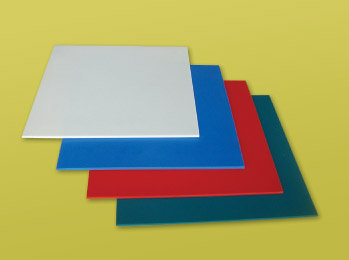
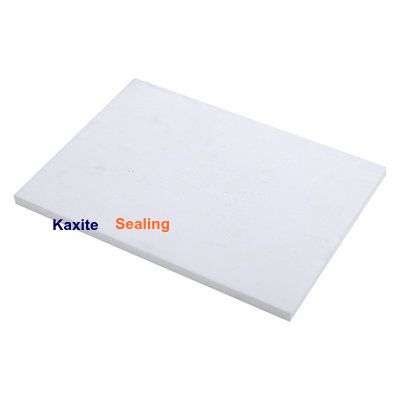
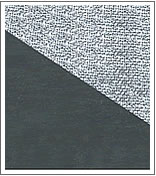
In the demanding world of industrial sealing and gasketing, Compression Sheets stand as a fundamental engineered material solution. Also known as compressed fiber jointing sheets, these are multi-purpose, high-performance sealing materials manufactured by compressing fibers—typically aramid, cellulose, or synthetic blends—with binding agents under intense heat and pressure. The result is a dense, uniform, and resilient sheet material designed to create reliable, long-lasting seals in a vast array of applications.
Kaxite Sealing specializes in producing premium-grade compression sheets that excel in containing fluids and gases under various pressure and temperature conditions. Unlike basic cut gaskets, compression sheets offer versatility; they can be supplied in sheet form for fabrication on-site or pre-cut into precise gasket shapes. Their primary function is to fill the microscopic irregularities between two mating flanges or surfaces, preventing leakage, ensuring safety, and maintaining system efficiency. From steam lines and chemical processing to automotive engines and marine applications, a high-quality compression sheet is the unsung hero that ensures operational integrity.
Understanding the technical specifications is crucial for selecting the correct compression sheet for your application. At Kaxite Sealing, we engineer our sheets with precise parameters to guarantee performance. Below are the core specifications detailed in both list and table formats for clarity.
| Parameter | Standard Grade | High-Temp Grade | Chemical-Resistant Grade | Test Method / Notes |
|---|---|---|---|---|
| Temperature Range | -40°C to +150°C (-40°F to +302°F) | -50°C to +250°C (-58°F to +482°F) | -30°C to +120°C (-22°F to +248°F) | Continuous service range. |
| Max Pressure | 150 Bar (2175 PSI) | 120 Bar (1740 PSI) | 100 Bar (1450 PSI) | Static sealing applications. |
| Compression Set | ≤ 20% | ≤ 18% | ≤ 22% | ASTM F36, after 24h at max temp. |
| Recovery % | ≥ 50% | ≥ 45% | ≥ 40% | Indicates material resilience. |
| pH Range | 4 - 10 | 3 - 11 | 1 - 13 | Suitable for media acidity/alkalinity. |
| Standard Sheet Sizes | 1500mm x 1500mm (59" x 59"), 1250mm x 1250mm (49" x 49") | Custom sizes available upon request. | ||
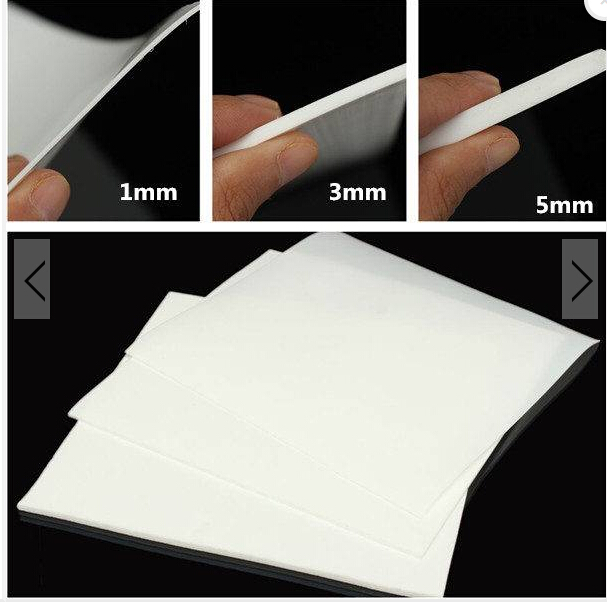
| Available Thickness | 0.5mm (0.020"), 0.8mm (0.031"), 1.0mm (0.039"), 1.5mm (0.059"), 2.0mm (0.079"), 3.0mm (0.118") | Other thicknesses can be produced. | ||
| Chemical Media | Standard Grade | Chemical-Resistant Grade | Recommendation |
|---|---|---|---|
| Steam / Hot Water | Excellent | Excellent | Standard grade is typically sufficient. |
| Hydraulic Oil (Petroleum-based) | Good | Excellent | Chemical-resistant grade for long-term exposure. |
| Diluted Acids & Alkalis | Fair to Good | Excellent | Always use chemical-resistant grade. |
| Fuels (Gasoline, Diesel) | Fair | Excellent | Chemical-resistant grade is mandatory. |
| Glycol / Antifreeze Solutions | Excellent | Excellent | Both grades perform well. |
| Compressed Air / Inert Gases | Excellent | Excellent | Standard grade is ideal. |
Q: How do I select the right thickness for a compression sheet gasket?
A: The correct thickness depends on flange conditions, pressure, and the type of fluid being sealed. For standard industrial flanges (ASA, DIN) with smooth surfaces, thinner sheets (0.5mm to 1.0mm) are often adequate. For flanges with slight imperfections or lower bolt loads, a thicker sheet (1.5mm to 3.0mm) can better compensate for irregularities. Higher pressure systems generally require thinner gaskets to minimize the risk of blow-out. Always consult Kaxite Sealing's technical datasheets or our engineering team for application-specific advice.
Q: Can Kaxite Sealing compression sheets be used for both oil and water applications?
A: Yes, but the grade must be selected carefully. Our Standard Grade compression sheets offer excellent performance for hot water, steam, and certain lubricating oils. However, for aggressive petroleum-based oils, fuels, or synthetic lubricants, our Chemical-Resistant Grade is specifically formulated to resist swelling, degradation, and loss of sealing force. Always check the chemical compatibility chart for the specific media.
Q: What is the difference between a compression sheet and a rubber gasket material like EPDM or Nitrile?
A: Compression sheets are composite materials made from fibers and binders, offering high structural integrity, temperature resistance, and low creep relaxation. They are ideal for medium to high-pressure static seals on metal flanges. Rubber sheets (EPDM, NBR) are homogeneous elastomers prized for their extreme elasticity and flexibility, better suited for lower-pressure applications or where significant flange movement is expected. Compression sheets generally have superior resistance to flange embedding and higher temperature thresholds.
Q: How should I store compression sheets to ensure their shelf life?
A: To maximize the shelf life of Kaxite Sealing compression sheets, store them in a cool, dry, and dark environment away from direct sunlight, heat sources, and ozone generators (like motors). Ideal storage temperature is between 10°C and 25°C (50°F - 77°F). Keep the sheets flat or rolled (if supplied in rolls) to prevent permanent deformation or creasing. Do not stack heavy objects on top of them. When stored correctly, our compression sheets maintain their specified properties for several years.
Q: Do I need to use a sealant or adhesive when installing a gasket cut from a compression sheet?
A: Generally, no. One of the key advantages of quality compression sheets is their ability to form an effective seal without additional compounds. The material's compressibility and recovery allow it to flow into surface imperfections. Using a sealant can sometimes hinder this process, attract dirt, and make future disassembly difficult. However, in low-torque applications or with severely pitted flanges, a thin, non-hardening flange sealant might be recommended. Clean, dry surfaces are always the primary requirement for a successful seal.
Q: Can your compression sheets be custom-cut or pre-formed into specific gasket shapes?
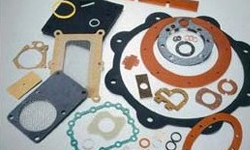
A: Absolutely. Kaxite Sealing offers full fabrication services. We can precisely die-cut, laser-cut, or waterjet-cut our compression sheet materials into any 2D gasket shape based on your CAD drawing or sample. This ensures perfect fit, eliminates on-site cutting waste, and saves valuable installation time. We can also supply sheets in custom dimensions beyond our standard stock sizes.
Q: What causes a compression sheet gasket to fail prematurely?
A: Premature failure usually stems from incorrect selection, installation error, or flange issues. Common causes include: selecting a material incompatible with the process media (causing swelling or chemical attack); using a thickness unsuitable for the flange condition or bolt load; improper surface preparation (dirt, old gasket material, or damage); uneven or insufficient bolt torque leading to uneven compression; and exceeding the material's stated temperature or pressure limits. Following proper installation procedures and selecting the correct Kaxite Sealing product for the job are the best ways to ensure longevity.
The versatility of our engineered compression sheets makes them indispensable across numerous sectors. Their reliability in creating leak-tight seals under challenging conditions supports critical infrastructure and manufacturing processes.
Correct installation is as critical as material selection. Following these best practices ensures you get the maximum performance and service life from your Kaxite Sealing compression sheet gasket.