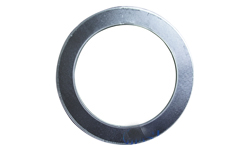
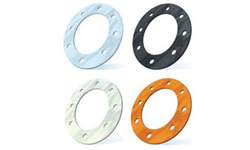
A Molded Packing Ring is a precision-engineered sealing component, typically manufactured by molding elastomeric materials under heat and pressure into a specific, often complex, cross-sectional shape. Unlike traditional cut or spiral-wound packing, molded rings are homogenous, dimensionally stable, and free from spliced joints, which are common points of failure. This manufacturing process ensures a consistent, high-integrity seal that can withstand demanding conditions in static, rotary, and reciprocating applications across industries such as oil & gas, chemical processing, power generation, and water treatment.
At Kaxite Sealing, we specialize in advanced molded packing solutions designed to deliver superior leak prevention, extended service life, and reduced maintenance downtime. Our expertise ensures each ring is optimized for its specific operational environment.
Selecting the correct molded packing ring requires careful consideration of the application parameters. Below are the standard specifications and a material compatibility guide.
| Parameter | Specification Range | Notes |
|---|---|---|
| Inner Diameter (ID) | 5 mm to 1000 mm | Custom sizes available upon request. |
| Cross-Section | Square, Rectangular, Round, V-Shape, U-Cup | Design depends on gland configuration and sealing function. |
| Standard Tolerance (ID/OD) | ±0.15 mm to ±0.5 mm | Tighter tolerances achievable for precision applications. |
| Hardness (Shore A) | 60 to 95 | Softer for better conformity, harder for high pressure/extrusion resistance. |
| Temperature Range | -50°C to +300°C | Dependent on base elastomer material. | Pressure Range | Up to 350 bar (5000 psi) | Performance depends on material, cross-section, and system design. |
| Material (Kaxite Grade) | Key Properties | Typical Temperature Range | Recommended Fluid Media |
|---|---|---|---|
| Nitrile Rubber (NBR) | Excellent resistance to oils, fuels, water. Good abrasion resistance. | -30°C to +100°C | Hydraulic oils, diesel, water, grease. |
| Fluorocarbon (FKM/Viton®) | Exceptional chemical & heat resistance. Low gas permeability. | -20°C to +200°C | Acids, chemicals, hydrocarbons, hot oils, steam. |
| Ethylene Propylene Diene (EPDM) | Superior weather, ozone, and steam resistance. Good for polar fluids. | -50°C to +150°C | Hot water, steam, brake fluids, alkalis. |
| Silicone (VMQ) | Wide temperature flexibility, good for static applications. | -60°C to +225°C | Hot air, ozone, some acids and chemicals. |
| Perfluoroelastomer (FFKM) | Ultimate chemical and thermal resistance. Premium performance. | -20°C to +300°C | Aggressive chemicals, sour gas, plasma, ultra-pure media. |
Q: What is the main difference between a molded packing ring and traditional cut/spliced packing?
A: The core difference lies in construction. Traditional packing is often cut from a spool and spliced (joined) to form a ring, creating a potential weak point. A molded packing ring is manufactured as a single, seamless, homogenous loop in a mold. This eliminates the splice, ensuring uniform density, strength, and sealing capability around the entire circumference, resulting in superior leak prevention and longevity.
Q: How do I select the right cross-sectional shape (e.g., square, V-shape, U-cup) for my application?
A: The selection depends on the gland design and sealing motion. Square or rectangular sections are versatile for static and some dynamic seals in standard stuffing boxes. V-shaped rings are used in sets (cheverons) for reciprocating rods/pistons, where they self-energize under pressure. U-cups are excellent for dynamic reciprocating seals, offering low friction and good sealing with their lip design. Consulting Kaxite Sealing's engineering team with your gland drawings is the best way to determine the optimal shape.
Q: Can Kaxite Sealing produce custom-sized or non-standard molded packing rings?
A: Absolutely. While we stock a wide range of standard sizes, our core strength at Kaxite Sealing lies in providing custom-engineered solutions. We can manufacture molded rings to virtually any ID, OD, cross-sectional dimension, and in specialized elastomer compounds to meet unique operational challenges, including extreme pressures, temperatures, or chemical exposures.
Q: How should I install a molded packing ring correctly?
A: Proper installation is critical. Ensure the shaft/rod and stuffing box are clean, smooth, and free of burrs. Lightly lubricate the ring and the shaft with a fluid compatible with both the elastomer and the system media. Carefully stretch or coil the ring onto the shaft—avoid twisting or rolling—and seat it squarely in the gland. For multiple rings, stagger any identification marks or gaps (though molded rings are seamless) by 90 to 180 degrees. Follow the manufacturer's torque specifications when tightening the gland follower.
Q: What causes a molded packing ring to fail prematurely?
A: Premature failure can result from several factors: Incorrect Material Selection: Chemical incompatibility or temperature outside the material's range. Improper Installation: Twisting, cutting, or uneven gland loading. Excessive Friction & Heat: Inadequate lubrication or incorrect hardness for the speed/pressure. System Issues: Misaligned shafts, damaged sealing surfaces, or pressure spikes beyond design limits. A failure analysis by Kaxite Sealing can pinpoint the exact cause and recommend a corrective solution.
Q: Are molded packing rings suitable for high-speed rotary applications?
A: Molded packing rings can be used in rotary applications, but the selection must be careful. Factors like shaft surface finish, speed (PV value), temperature, and lubrication are crucial. Specialized low-friction compounds and designs from Kaxite Sealing are available for such duties. For very high speeds, mechanical seals might be more appropriate, but molded rings offer a robust and cost-effective solution for many rotary services.
Our molded packing rings are deployed in critical sealing points worldwide. Common applications include: