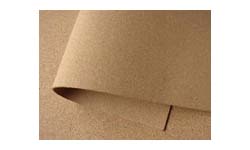
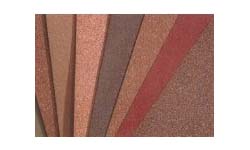
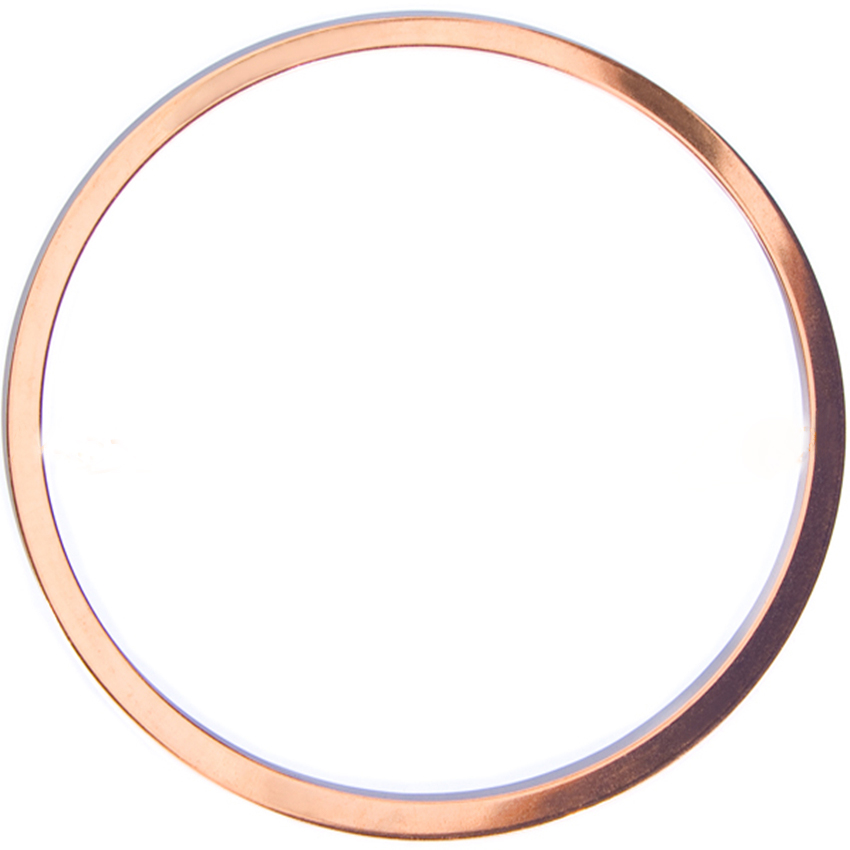
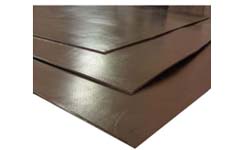
Cork is a versatile, sustainable, and highly effective material used across countless industries. At Kaxite Sealing, we specialize in engineering high-performance cork sheets that meet rigorous standards for sealing, insulation, gasketing, and vibration damping. Our products are crafted from premium cork granules and binders, resulting in sheets that offer exceptional compressibility, recovery, and durability. This detailed guide outlines the technical specifications, common applications, and benefits of selecting Kaxite Sealing as your trusted cork sheet supplier.
Understanding the technical parameters of cork sheet is crucial for selecting the right grade for your application. Below are the core specifications for our standard and high-density cork sheet products.
| Grade Code | Density (kg/m³) | Thickness Range (mm) | Sheet Size (Standard) | Primary Application | Max. Continuous Temp. |
|---|---|---|---|---|---|
| KS-CS120 | 120 - 150 | 0.8 - 25 | 1000 x 500 mm / 48" x 96" | Light gasketing, cushioning, bulletin boards | 100°C |
| KS-CS240 | 240 - 280 | 1.0 - 50 | 1000 x 500 mm / 48" x 96" | General industrial gaskets, machinery mounts | 120°C |
| KS-CS400 | 400 - 450 | 1.5 - 50 | 1000 x 500 mm / 48" x 96" | Heavy-duty sealing, flange gaskets, engine compartments | 120°C |
| KS-CS550-HT | 520 - 550 | 3.0 - 25 | 1000 x 500 mm | High-temp/pressure gaskets, automotive, aerospace | 200°C |
| KS-CS-NBR | 300 - 350 | 1.0 - 12 | 1000 x 500 mm | Fuel & oil resistant gaskets, automotive | 100°C |
What is cork sheet made from?
Cork sheet is manufactured from the granulated bark of the Cork Oak tree (Quercus Suber). These granules are cleaned, sorted by size, and then mixed with a binding agent (such as rubber-based or food-safe resin). The mixture is then compressed under heat and pressure in molds to form sheets of consistent density and thickness. Kaxite Sealing uses only cork from sustainably managed forests, ensuring an eco-friendly product.
What are the main advantages of using cork sheet over synthetic materials?
Cork offers a unique combination of properties: it is compressible yet resilient, providing excellent sealing even on uneven surfaces. It is a natural, renewable, and biodegradable material. It possesses outstanding thermal and acoustic insulation properties, is naturally fire-retardant, and hypoallergenic. For many static sealing and damping applications, it provides a cost-effective and performance-driven alternative to synthetic rubber or foam.
How does the density of a cork sheet affect its performance?
Density is a primary indicator of performance. Lower density sheets (e.g., 120-200 kg/m³) are softer, more compressible, and ideal for cushioning, bulletin boards, or light-duty sealing. Medium density (240-400 kg/m³) offers a balance of compressibility and strength for general-purpose gaskets. High-density sheets (400-550 kg/m³) provide superior compression resistance, lower creep (cold flow), and are suited for high-pressure flange gaskets or demanding industrial applications.
What are the most common applications for cork sheet?
Cork sheet from Kaxite Sealing is used in a vast array of industries. Common applications include: gaskets for engines, gearboxes, pumps, and pipe flanges; vibration damping mounts for machinery; thermal and acoustic insulation panels in construction and automotive; bulletin and notice boards; backing material for flooring; and crafts or model-making due to its easy workability.
How do I choose the right cork sheet grade for my specific gasket application?
Selection depends on several service conditions: 1. Media: Identify the fluid or gas being sealed (oil, water, fuel, steam, air). We offer specialized grades like KS-CS-NBR for hydrocarbon resistance. 2. Pressure: Higher density grades are needed for higher sealing pressures. 3. Temperature: Match the continuous and peak operating temperature to our grade specifications. 4. Surface Condition: Cork's compressibility makes it excellent for sealing slightly irregular surfaces. For critical applications, always consult our technical team at Kaxite Sealing.
Can cork sheet be used for outdoor applications?
Yes, but with considerations. Pure cork is naturally resistant to moisture and decay. However, for prolonged outdoor exposure to UV and weathering, we recommend our grades with synthetic rubber binders (like NBR) or an appropriate protective coating or paint. This significantly enhances its lifespan against the elements.
How easy is it to cut and fabricate cork sheet?
One of cork's greatest benefits is its excellent machinability. It can be easily and cleanly cut with sharp blades, die-cut, punched, laser-cut, or even routed. For DIY or small-scale projects, a sharp utility knife or scissors are sufficient. For industrial production, clicker dies, steel rule dies, or CNC cutting machines provide fast, precise, and consistent results with minimal dust generation when using sharp tools.
Does cork sheet require any special storage conditions?
Cork sheet should be stored in a cool, dry, and well-ventilated environment away from direct heat sources or sunlight. Sheets should be laid flat or stored vertically on edge to prevent permanent bending or distortion. Avoid storing in damp conditions to prevent any potential mold growth, although cork itself is highly resistant.
What is the typical lead time for custom-sized or special compound cork sheets from Kaxite Sealing?
For our standard grades and sizes, we typically maintain stock for quick dispatch. For custom thicknesses, densities, or specialized formulations (e.g., high-temperature, fire-rated), standard production lead times range from 2 to 5 weeks, depending on the order volume and complexity. Our sales team provides accurate timelines upon quotation.
Choosing Kaxite Sealing means more than just purchasing a material; it's partnering with experts dedicated to quality and performance. Our in-depth knowledge of cork technology allows us to guide customers to the optimal product. We implement strict quality control at every stage, from raw material sourcing to final inspection, ensuring every sheet meets our high standards for consistency and performance. Furthermore, we offer value-added services such as custom slitting, die-cutting, and technical support to help streamline your manufacturing process and reduce waste.