If you have ever dealt with swollen legs after a long shift, a flight, or a chronic venous condition, you already know how discomfort can destroy focus and mobility. The question many procurement specialists and device engineers ask is simple: Do Compression Sheets help reduce leg swelling? The short answer is yes—when they are engineered as part of a reliable compression therapy system. Leg swelling, or edema, builds when fluid pools in the lower limbs. Compression sheets used in pneumatic sleeves, compression wraps, and medical sealing systems maintain uniform pressure and prevent air or fluid leaks. This consistent pressure supports venous return and reduces fluid retention. For sourcing teams, the real challenge is finding compression sheet materials that combine tight sealing, flexibility, and long service life. Ningbo Kaxite Sealing Materials Co., Ltd. produces high-performance compression sheets that help medical device manufacturers build leak-free, pressure-stable leg therapy products. In this guide, we break down how compression sheets work, what to look for when buying, and why the right material matters for performance.
Table of Contents
Leg swelling occurs when excess fluid becomes trapped in the tissues of the lower limbs. This can result from prolonged standing, poor circulation, pregnancy, or chronic venous insufficiency. Compression therapy works by applying graduated pressure to the leg, which helps push fluid back toward the heart. Compression sheets are the thin, high-density sealing layers inside pneumatic compression devices, compression wraps, and adjustable garments. They create a controlled pressure chamber around the calf and ankle. If the sheet leaks, flexes unevenly, or loses thickness under repeated inflation cycles, the therapy weakens and swelling returns. Procurement teams often underestimate this component, but it is the functional core of any compression system.
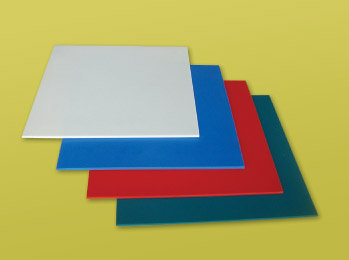
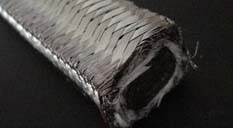
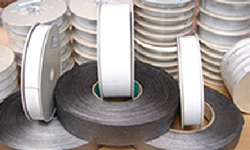
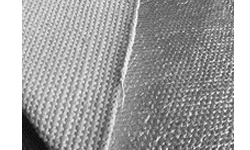
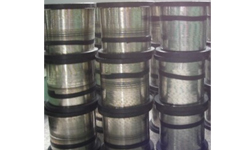
For buyers, a compression sheet is not just a flat piece of polymer. It must withstand repeated mechanical stress, maintain a tight seal, and resist body fluids, cleaning agents, and temperature changes. Ningbo Kaxite Sealing Materials Co., Ltd. supplies molded PTFE-based compression sheets that deliver consistent thickness and low creep relaxation. This reliability is why device manufacturers choose them for leg therapy products that require long-term, maintenance-free performance.
Pain point scenario: A medical equipment buyer receives a batch of pneumatic leg sleeves from a new supplier. Within three months, end users report that the sleeves lose pressure after twenty minutes, and leg swelling does not improve. The issue traces back to the internal compression sheet: it compresses unevenly and allows micro-leaks at the seam. The buyer now faces a recall and damaged client trust.
Solution: Specify compression sheets with tight thickness tolerance, high tensile strength, and documented leak rates. Ningbo Kaxite Sealing Materials Co., Ltd. manufactures compression sheets from expanded PTFE resin that is calendered and molded under controlled conditions. The result is a sheet that seals at low bolt loads, recovers after compression, and maintains pressure consistency across thousands of cycles. This directly improves the therapeutic outcome for users with leg swelling.
| Parameter | Ningbo Kaxite Compression Sheet | Typical Industry Sheet |
|---|---|---|
| Material | PTFE resin molded | Rubber / fiber blend |
| Thickness tolerance | ±0.05 mm | ±0.20 mm |
| Tensile strength | 14 MPa | 7 MPa |
| Leak rate (ASTM F37) | <0.1 mL/min | 0.5 mL/min |
| Temperature range | -200°C to 260°C | -20°C to 120°C |
| Compression set resistance | Excellent after 10,000 cycles | Moderate, degrades after 2,000 cycles |
Not all compression sheets are equal. The material you choose affects pressure uniformity, chemical compatibility, and service life. For leg swelling devices, the sheet must be soft enough to conform to the limb but stiff enough to resist extrusion. Below is a practical comparison for sourcing managers and engineers.
Pain point scenario: A product designer is developing a new wearable compression wrap for post-surgical edema. The prototype works in the lab, but field tests show rubber sheets degrade after exposure to skin oils and disinfectant wipes. The designer needs a material that balances sealing performance with biocompatibility.
Solution: PTFE-based compression sheets from Ningbo Kaxite Sealing Materials Co., Ltd. offer inertness, broad chemical resistance, and stable compression. Rubber sheets are cheaper but fail in aggressive cleaning protocols. Graphite sheets handle high temperature but are too rigid for wearable medical devices. PTFE is the best fit for repeated skin contact and pneumatic inflation.
| Material Type | Flexibility | Chemical Resistance | Leak Prevention | Typical Use |
|---|---|---|---|---|
| PTFE molded sheet | High | Excellent | Excellent | Medical compression sleeves, gaskets |
| Rubber/fiber blend | Medium | Moderate | Good | General industrial seals |
| Graphite sheet | Low | Good | Good | High-temperature flanges |
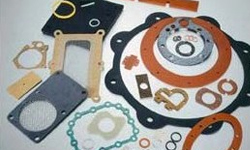
Many people hear “compression sheets” and think only of flange gaskets in chemical plants. However, the same sealing principles apply to medical compression devices. A leg therapy sleeve is essentially a pressurized chamber that must hold air without leaking. The compression sheet acts as the sealing barrier between the bladder and the outer shell. If that barrier fails, pressure drops and the therapeutic effect on leg swelling disappears. Ningbo Kaxite Sealing Materials Co., Ltd. leverages two decades of industrial sealing expertise to serve medical device OEMs. Our compression sheets are produced under ISO 9001 quality management, with full material traceability and custom die-cutting options. This dual capability means buyers get industrial-grade reliability with medical-grade cleanliness. Whether you need sheets for pneumatic compression pumps, sequential compression devices, or adjustable wraps, the same leak-free performance applies.
Yes. Compression sheets provide the airtight layer that keeps the wrap’s pressure consistent around the calf and ankle. Without a quality sheet, pressure drops after a few minutes and swelling returns. Ningbo Kaxite Sealing Materials Co., Ltd. produces moldable, leak-resistant sheets that support stable compression levels for home-use devices.
Only medical-grade or food-grade compression sheets should be used in leg therapy products. Industrial sheets may contain fillers or release agents that irritate skin or fail biocompatibility tests. Ningbo Kaxite Sealing Materials Co., Ltd. offers PTFE-based compression sheets that meet FDA-compliant and REACH standards, making them suitable for medical compression device seals and gaskets.
Pain point scenario: A procurement manager in Europe orders compression sheets from three suppliers. The samples all look similar, but one batch fails thickness inspection and another shows inconsistent tensile strength. The production line is delayed, and the manager must explain the hold-up to upper management.
Solution: Create a supplier checklist and verify every item before issuing a purchase order. Ningbo Kaxite Sealing Materials Co., Ltd. supports buyers with pre-shipment inspection reports, material certificates, and free samples. Our compression sheets are available in thicknesses from 0.5 mm to 6.0 mm, with widths up to 1,500 mm. Custom shapes and adhesive backing are available on request.
| Check Point | Why It Matters | Ningbo Kaxite Standard |
|---|---|---|
| Thickness uniformity | Prevents pressure hot spots | ±0.05 mm |
| Leak rate | Maintains air chamber pressure | <0.1 mL/min |
| Tensile strength | Resists tear during inflation | ≥14 MPa |
| Chemical cleanliness | Safe for skin contact | FDA 21 CFR 177.1550 compliant |
| Custom die-cutting | Reduces assembly waste | Available, tight tolerance |
So, do compression sheets help reduce leg swelling? Absolutely—when they are designed as precision sealing components, not afterthoughts. For procurement teams and device engineers, the fastest way to improve product reliability is to partner with a supplier that understands both material science and end-user therapy. Ningbo Kaxite Sealing Materials Co., Ltd. delivers compression sheets that hold pressure, resist chemical exposure, and extend device service life. Whether you are developing a new pneumatic sleeve or replacing a failing gasket in an existing wrap, our team can help you specify the right sheet for your application.
Have you experienced seal failures in compression therapy equipment? Or are you comparing material options for a new leg swelling device? Share your requirements with our engineers. We can provide a free sample, material data sheet, and custom cutting proposal within 48 hours. Your next batch of compression sheets can be the difference between a product that heals and one that frustrates.
Founded in Ningbo, China, Ningbo Kaxite Sealing Materials Co., Ltd. is a leading manufacturer of high-performance sealing and compression sheet materials for medical, chemical, and industrial applications. With ISO-certified production, in-house testing, and a global export network, we help OEMs and distributors solve leak prevention and pressure control challenges. Visit our website at https://www.kxtsealing.cn or contact our export team at [email protected] for technical support, samples, and competitive quotations.
1. Partsch H, Flour M, Smith PC. 2008. Indications for compression therapy in venous and lymphatic disease. International Angiology. 27(3): 193-219.
2. Mosti G, Iabichella ML, Partsch H. 2015. Compression therapy in mixed ulcers increases venous output and arterial perfusion. Journal of Vascular Surgery. 55(1): 122-128.
3. Rabe E, Partsch H, Hafner J, et al. 2018. Indications for medical compression stockings in venous and lymphatic disorders: An evidence-based consensus statement. Phlebology. 33(3): 163-184.
4. Eberhardt RT, Raffetto JD. 2014. Chronic venous insufficiency. Circulation. 130(4): 333-346.
5. Flour M, Clark M, Partsch H, et al. 2013. Dogmas and controversies in compression therapy: Report of an International Compression Club meeting. Journal of Wound Care. 22(8): 414-420.
6. Felty CL, Rooke TW. 2005. Compression therapy for chronic venous insufficiency and venous leg ulcers. Current Treatment Options in Cardiovascular Medicine. 7(2): 117-124.
7. O'Meara S, Cullum N, Nelson EA, Dumville JC. 2012. Compression for venous leg ulcers. Cochrane Database of Systematic Reviews. 11: CD000265.
8. Stout N, Partsch H, Szolnoky G, et al. 2012. Chronic edema of the lower extremities: International consensus recommendations for compression therapy. Lymphatic Research and Biology. 10(4): 155-173.
9. Lee BB, Andrade M, Antignani PL, et al. 2013. Diagnosis and treatment of primary lymphedema: Consensus document of the International Union of Phlebology. International Angiology. 32(6): 541-574.
10. Kappel RM, van der Meijden WA, Neumann HA. 2014. Compression therapy for the treatment of leg ulcers: A review. Journal of Wound Care. 23(5): 252-256.