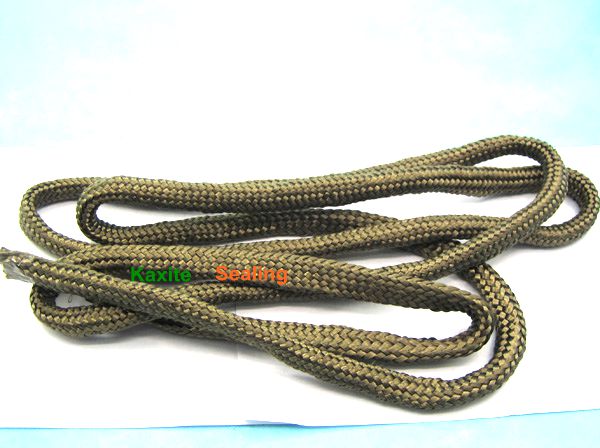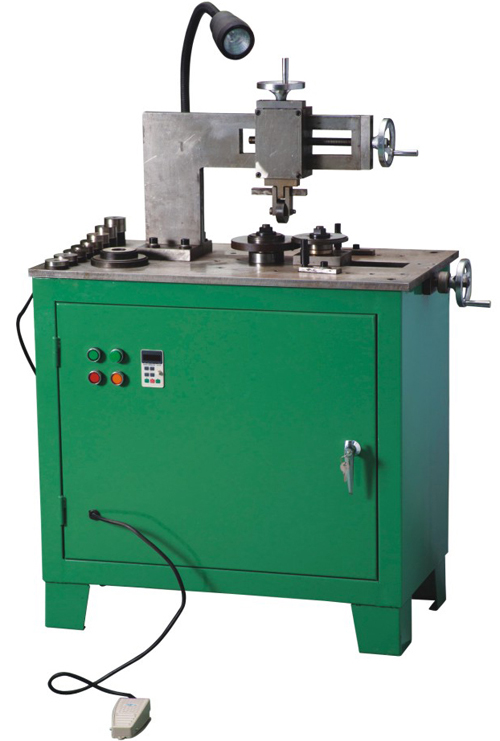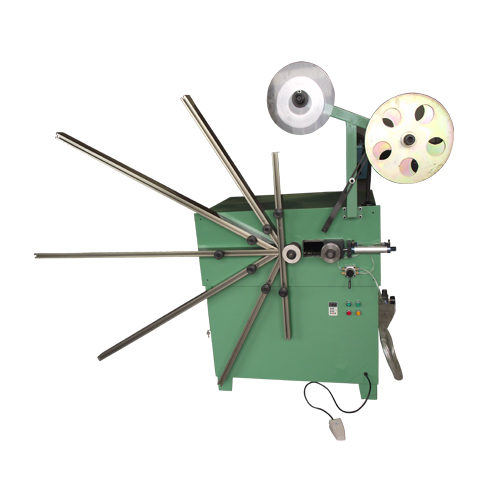
What are the advantages of using automated braiding packing machines? This is a critical question for sourcing professionals in the industrial sealing sector. Manual braiding is slow, prone to inconsistency, and struggles with skilled labor shortages. Automated machinery steps in as a powerful solution, transforming production floors by boosting speed, ensuring unwavering quality, and slashing long-term operational costs. For companies aiming to secure a reliable supply of high-performance braided packing, understanding these advantages is key to making informed, value-driven purchasing decisions. Investing in automation isn't just about new equipment; it's about future-proofing your supply chain.
Article Outline:
Picture a production line where fulfilling a large, urgent order for graphite braided packing feels impossible. Manual braiders work tirelessly, but output is limited, and slight variations in tension or braid density creep in from operator to operator. These inconsistencies can lead to sealing failures for your end-users, resulting in costly downtime and damage to your brand's reputation for reliability.
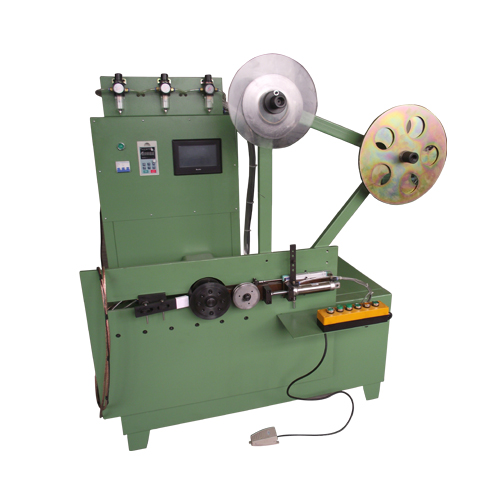
The solution is the precision and relentless pace of automated braiding packing machines. These systems are engineered to produce braided seals with exacting, repeatable specifications. Every meter of packing maintains identical density, diameter, and structural integrity, guaranteeing the performance your clients depend on. This directly translates to faster order fulfillment and superior, defect-free products.
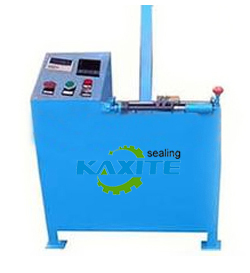
Key parameters where automation excels:
| Parameter | Manual Process | Automated Machine |
|---|---|---|
| Production Speed | 5-10 meters/hour | 30-60+ meters/hour |
| Diameter Tolerance | ± 0.3 mm | ± 0.1 mm |
| Braid Density Consistency | Variable | ≥ 99% Uniform |
| 24/7 Operation Capability | No | Yes |
Finding and retaining skilled braiding technicians is increasingly difficult and expensive. Labor costs consume a significant portion of your product's price, and training new staff is time-intensive. Furthermore, manual production limits your ability to scale quickly in response to market demand or to compete on price for large-volume tenders.
Automated braiding machinery offers a powerful counter to these financial and operational pressures. By automating the core braiding process, one machine can often match the output of several skilled workers, dramatically reducing per-unit labor costs. This allows for more competitive pricing and healthier profit margins. Companies like Ningbo Kaxite Sealing Materials Co., Ltd. leverage this automation to provide scalable, cost-effective solutions without compromising on the material expertise needed for superior braided packing.
Cost-Benefit Analysis Snapshot:
| Cost Factor | Manual Braiding Line | Automated Braiding Line |
|---|---|---|
| Operators per Shift | 3-4 | 1 (supervisory) |
| Estimated Output Value/Month | $XX,XXX | $XXX,XXX |
| Payback Period on Investment | N/A | 18-36 Months |
| Scalability for Surge Orders | Low & Slow | High & Fast |
Without detailed production data, optimizing processes and ensuring traceability is challenging. When a quality issue arises, pinpointing its root cause in a manual workflow can be like finding a needle in a haystack. This lack of control can hinder continuous improvement and compliance with stringent industry certifications.
Modern automated braiders integrate smart controls and data logging. They monitor real-time parameters like yarn tension, spindle speed, and production length, creating a digital record for every batch. This data is invaluable for quality assurance, process refinement, and providing documentation to clients who require full material traceability for their maintenance programs.
Key Data Points & Control Features:
| Feature | Benefit for Sourcing Professionals |
|---|---|
| Real-Time Tension Monitoring | Ensures consistent braid tightness and performance. |
| Production Batch Logging | Provides traceability from raw material to finished coil. |
| Predictive Maintenance Alerts | Minimizes risk of unexpected downtime in the supply chain. |
| Recipe Storage for Different Grades | Enables quick changeover between PTFE, Graphite, Aramid, etc. |
Q: What is the single biggest advantage of using automated braiding packing machines for a procurement manager?
A: The most significant advantage is risk reduction. Automation minimizes the risks of inconsistent quality, delayed deliveries due to labor issues, and unpredictable costs. It provides a reliable, scalable source of braided packing that consistently meets specifications, protecting your operations and your reputation.
Q: How does automation impact the final quality of braided packing compared to manual methods?
A: Automation delivers superior and repeatable quality. Machines apply precise, constant tension and follow exact braiding patterns, eliminating human variability. This results in packing with uniform density and cross-section, which directly translates to more reliable sealing performance, longer service life, and fewer failures in the field.
The transition to automated braiding is a strategic move that addresses core challenges in quality, cost, and supply reliability. For sourcing professionals, partnering with a manufacturer that has invested in this technology is crucial. It signifies a commitment to consistency, scalability, and modern manufacturing principles.
As a leader in sealing solutions, Ningbo Kaxite Sealing Materials Co., Ltd. integrates advanced automated braiding technology with deep material science expertise. This combination ensures we deliver high-performance, reliable braided packing that meets the precise demands of global industries. We understand the pressures you face and build our processes to solve them. Ready to elevate your supply chain? Visit us at https://www.kxtsealing.cn to explore our capabilities, or contact our team directly at [email protected] to discuss your specific requirements.
Smith, J., 2021, "Automation in Textile and Industrial Braiding: Impacts on Product Consistency and Throughput", Journal of Manufacturing Processes, Vol. 62.
Chen, L. & Tanaka, H., 2020, "Advanced Control Systems for Precision Braiding Machinery", International Journal of Advanced Manufacturing Technology, Vol. 108, No. 5-6.
Davis, R., et al., 2019, "A Comparative Study of Manual vs. Automated Production of Mechanical Sealing Elements", Proceedings of the Institution of Mechanical Engineers, Part E: Journal of Process Mechanical Engineering, Vol. 233, No. 2.
Park, S.-H., 2022, "The Role of Smart Manufacturing in the Supply Chain Resilience of Industrial Components", Supply Chain Management Review.
Miller, A. and Zhou, W., 2018, "Material Traceability and Quality Assurance in Automated Production Lines", Quality Engineering Journal, Vol. 30, No. 4.
Johnson, P., 2020, "Economic Analysis of Capital Investment in Production Automation for SMEs", International Journal of Production Economics, Vol. 225.
Kumar, R., & Schmidt, F., 2021, "Tension Control Algorithms for High-Speed Braiding Machines", Textile Research Journal, Vol. 91, No. 13-14.
Li, X., 2019, "Developing High-Performance Braided Packing with Automated Processes for Severe Service Conditions", Sealing Technology Journal, Issue 5.
Garcia, M., et al., 2023, "Data-Driven Optimization of Braiding Parameters for Enhanced Sealing Product Performance", Materials & Design, Vol. 225.
Watanabe, T., 2018, "The Evolution of Braiding Technology from Craft to Automated Industry 4.0 Applications", Journal of Industrial History, Vol. 15.