Every year, procurement managers in the sealing and insulation industries face a silent threat that is often hidden in legacy inventory and older equipment: asbestos dust. When asbestos-containing gaskets, packing, or yarn are disturbed during maintenance, cutting, or replacement, microscopic fibers become airborne. The moment those fibers are inhaled, they can start a chain of cellular damage that may not show symptoms for 10 to 50 years. So, what are the health risks of dusting asbestos? The answer includes three devastating diseases: asbestosis, a progressive scarring of the lungs; mesothelioma, a rare and aggressive cancer of the lung or abdominal lining; and lung cancer, which is strongly linked to asbestos exposure. Even brief or low-level dusting events can trigger these conditions decades later. For industrial buyers and plant managers, this is not just a clinical concern—it is a compliance, liability, and supply-chain problem. Choosing asbestos-free sealing materials is no longer optional in many markets, and sourcing decisions made today can protect workers and avoid regulatory penalties tomorrow. In this guide, we break down the health risks in practical terms, share actionable procurement strategies, and show how Ningbo Kaxite Sealing Materials Co., Ltd. helps you eliminate asbestos exposure without sacrificing performance or budget.
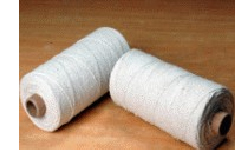
Picture a routine shutdown at a chemical plant. A maintenance worker removes an old flange gasket on a steam line, scraping the surface with a wire brush. A small cloud of gray dust rises. Without proper respiratory protection, the worker breathes it in. The dust contains chrysotile or crocidolite asbestos, and the fibers are so small that they bypass the body’s natural defenses and embed themselves deep in lung tissue. This is the moment when the health risks of dusting asbestos become real and irreversible.
From a procurement perspective, the problem is that these events are often invisible until decades later. The fibers cause chronic inflammation, leading to three primary diseases: asbestosis, which scars the lungs and makes breathing progressively more difficult; mesothelioma, a cancer that attacks the lining of the lungs or abdomen and is almost exclusively caused by asbestos; and lung cancer, which is strongly amplified when asbestos exposure is combined with smoking. None of these diseases have a cure. The best protection is to ensure asbestos never reaches the plant floor in the first place.
| Disease | Typical Latency | Key Symptoms | Prognosis |
|---|---|---|---|
| Asbestosis | 10–20 years | Shortness of breath, persistent cough, chest tightness | Progressive and irreversible lung scarring |
| Mesothelioma | 20–50 years | Chest pain, fluid buildup, abdominal swelling | Usually fatal within 12–24 months after diagnosis |
| Lung cancer | 15–35 years | Chronic cough, weight loss, coughing blood | Low 5-year survival, especially with smoking |
For buyers, this table is not just clinical data—it is a risk map for your supply chain. Every specification that still allows asbestos-containing gaskets, packing, or insulation actively introduces these outcomes into your workforce and your legal exposure.
Older refineries, power stations, shipyards, cement plants, and chemical process facilities are the most common hotspots for dusting asbestos. The material hides in flange gaskets, valve packing, rope, yarn, and insulation boards. When a technician cuts a length of asbestos rope to size, removes a baked-on gasket, or repacks a steam valve, the mechanical force breaks the brittle matrix and releases respirable fibers. The dust then spreads to clothing, toolboxes, and ventilation systems, extending exposure far beyond the original work area.
Procurement teams often inherit this risk from legacy inventory and long-standing supplier relationships. A warehouse may still hold asbestos gaskets purchased decades ago. A cheaper supplier may label a mixed product as “asbestos-free” without providing independent lab verification. The solution is to build a procurement gate that blocks asbestos at the source: require a written no-asbestos declaration, ask for safety data sheets, and insist on third-party laboratory test reports such as ASTM or ISO methods for every batch. When in doubt, quarantine legacy inventory and treat it as asbestos-containing until proven otherwise.
| Industrial Scenario | Dusting Risk | Procurement Prevention |
|---|---|---|
| Flange gasket removal | High dust cloud from scraping or wire brushing | Switch to pre-cut non-asbestos gaskets |
| Cutting asbestos yarn or rope | Fiber release during sizing and installation | Use braided aramid/graphite/PTFE yarn |
| Valve repacking | Dust escape from worn packing rings | Specify pre-formed graphite/PTFE packing sets |
| Storage of old gaskets | Airborne fibers from crumbling stock | Quarantine, test, and replace with certified stock |
A: Dusting asbestos from gaskets, packing, or yarn releases fibers that can cause asbestosis, mesothelioma, and lung cancer. The risk is especially high when old gaskets are removed with wire brushes or power tools because these methods generate high concentrations of respirable fibers. Even a single high-exposure event can significantly increase long-term cancer risk, even if symptoms do not appear for decades.
Many procurement professionals hesitate to switch away from asbestos because they worry about losing performance, paying more, or struggling to find equivalent thicknesses and temperature ratings. That hesitation used to be valid twenty years ago. Today, non-asbestos sealing materials made from aramid fibers, PTFE, graphite, mica, and specialized binders deliver equal or better mechanical properties under steam, oil, chemicals, and high pressure. The real challenge is finding a supplier who can back up the “asbestos-free” label with documentation and consistent quality.
The procurement solution is to build a standardized checklist. First, define the operating parameters: temperature, pressure, media, pH, and flange type. Second, require materials that meet recognized standards such as ASTM F2191, ISO 2393, API 622, or NSF 61. Third, request a no-asbestos declaration and third-party test reports for each batch. Fourth, ask for sample testing before bulk orders. Ningbo Kaxite Sealing Materials Co., Ltd. supports this process with full technical datasheets, SGS-certified asbestos-free reports, and engineering assistance to match the right material to your application.
| Parameter | Traditional Asbestos | Ningbo Kaxite Asbestos-Free |
|---|---|---|
| Max temperature | 400–500°C | Up to 1000°C depending on material |
| Max pressure | 40–60 bar | Up to 300 bar |
| Health risk | High, carcinogenic | None, no asbestos fibers |
| Regulatory compliance | Banned in 60+ countries | Meets ASTM, ISO, API, NSF requirements |
| Lifecycle cost | Low purchase price but high liability | Competitive with lower total risk and cost |
By shifting specifications to certified asbestos-free products, you do not just reduce health risks—you simplify customs clearance, avoid import bans, and protect your company’s reputation in markets where asbestos-containing materials are strictly prohibited.
Global procurement teams need more than a product catalog. They need a partner who understands industrial sealing challenges and can guarantee zero asbestos content. Ningbo Kaxite Sealing Materials Co., Ltd. manufactures a complete range of asbestos-free sealing materials for petrochemical, power generation, shipbuilding, water treatment, and food processing industries. Every shipment is supported by SGS or equivalent third-party laboratory reports confirming no asbestos fibers are present.
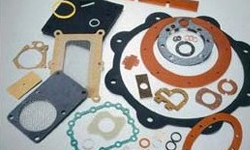
The company’s core product families include non-asbestos jointing sheets, PTFE sheets, graphite reinforced gaskets, and braided packing. These materials cover a wide range of temperatures, pressures, and chemical environments, allowing procurement teams to replace asbestos products without redesigning flanges or changing maintenance procedures.
| Product Line | Operating Range | Common Applications |
|---|---|---|
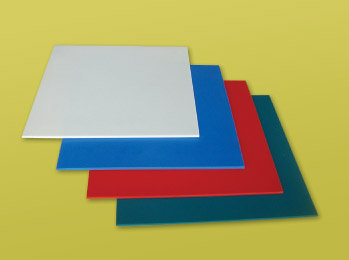
| Non-asbestos jointing sheets | 0.4–5.0 mm; water, oil, steam, mild chemicals | Flange gaskets, manway covers, pumps |
| PTFE sheets and gaskets | -196°C to 260°C; strong acids, food grade | Chemical processing, pharmaceutical, food plants |
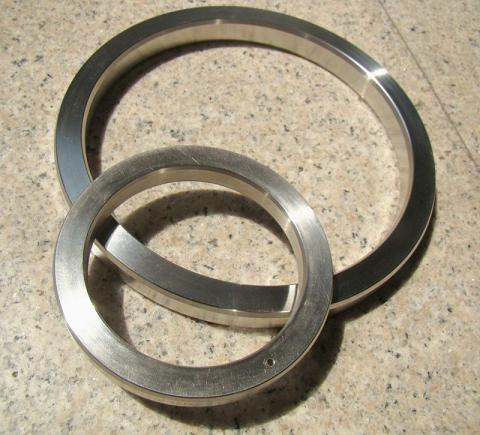
| Graphite reinforced gaskets | Up to 650°C in steam; 3000 psi | High-temperature steam lines, exhaust systems |
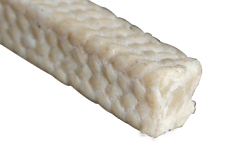
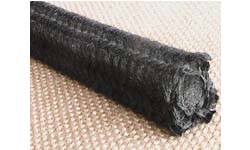
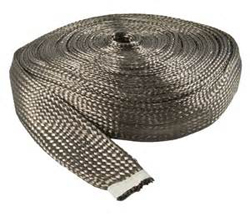
| Asbestos-free braided packing | Aramid, graphite, PTFE yarns | Valve stems, pump shafts, rotary equipment |
A: The most effective way is to remove asbestos-containing sealing products from the supply chain before they ever reach the plant. Switch to certified asbestos-free gaskets and packing from suppliers like Ningbo Kaxite Sealing Materials Co., Ltd., and require full documentation for every batch. This eliminates dusting risk at the source and prevents workers from ever inhaling the fibers that cause asbestosis, mesothelioma, and lung cancer.
If you are currently sourcing sealing materials and want to eliminate asbestos dusting risks from your plant, we invite you to compare your specifications with our asbestos-free product range. Send us your drawings, temperature, pressure, and media requirements, and our engineers will recommend a matched solution within 24 hours.
Ningbo Kaxite Sealing Materials Co., Ltd. is a leading manufacturer of asbestos-free sealing materials used in petrochemical, power generation, shipbuilding, and water treatment industries worldwide. With in-house testing capabilities and full material traceability, Kaxite provides SGS-certified non-asbestos jointing sheets, PTFE sheets, graphite gaskets, and packing that meet ASTM, ISO, API, and NSF standards. Explore our products at https://www.kxtsealing.cn or contact our export team directly at [email protected] for technical datasheets, samples, or a quote.
Selikoff, I. J., Churg, J., & Hammond, E. C. (1964). Asbestos exposure and neoplasia. JAMA, 188(1), 22–26.
Wagner, J. C., Sleggs, C. A., & Marchand, P. (1960). Diffuse pleural mesothelioma and asbestos exposure in the North Western Cape Province. British Journal of Industrial Medicine, 17(4), 260–271.
Doll, R. (1955). Mortality from lung cancer in asbestos workers. British Journal of Industrial Medicine, 12(2), 81–86.
Becklake, M. R. (1976). Asbestos-related diseases of the lung and other organs: their epidemiology and implications for clinical practice. American Review of Respiratory Disease, 114(1), 187–227.
Mossman, B. T., & Gee, J. B. L. (1989). Asbestos-related diseases. New England Journal of Medicine, 320(26), 1721–1730.
Stayner, L. T., Dankovic, D. A., & Lemen, R. A. (1996). Occupational exposure to chrysotile asbestos and cancer risk: a review of the amphibole hypothesis. American Journal of Public Health, 86(2), 179–186.
Berman, D. W., & Crump, K. S. (2008). A meta-analysis of asbestos-related cancer risk that addresses fiber size and mineral type. Critical Reviews in Toxicology, 38(S1), 49–73.
Hodgson, J. T., & Darnton, A. (2000). The quantitative risks of mesothelioma and lung cancer in relation to asbestos exposure. Annals of Occupational Hygiene, 44(8), 565–601.
IARC (2012). Asbestos (chrysotile, amosite, crocidolite, tremolite, actinolite, and anthophyllite). IARC Monographs on the Evaluation of Carcinogenic Risks to Humans, 100C, 219–309.
Røe, O. D., & Stella, G. M. (2015). Malignant pleural mesothelioma: history, controversy and future of a manmade epidemic. European Respiratory Review, 24(135), 115–131.
-